How to Say "parking" in Spanish
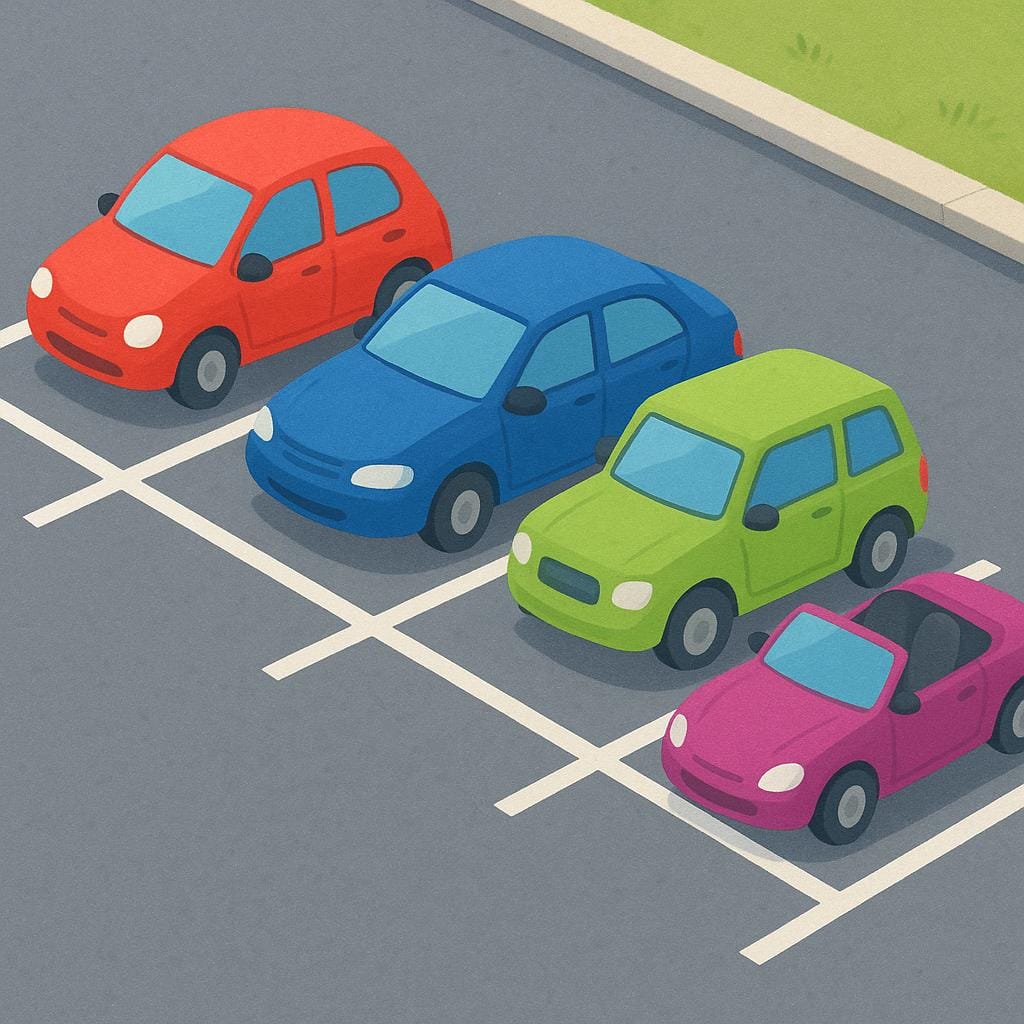
The most common Spanish word for “parking” is “aparcamiento” — use 'aparcamiento' when referring to the physical place where you park a car, like a parking lot or garage, or the general concept/service of parking.
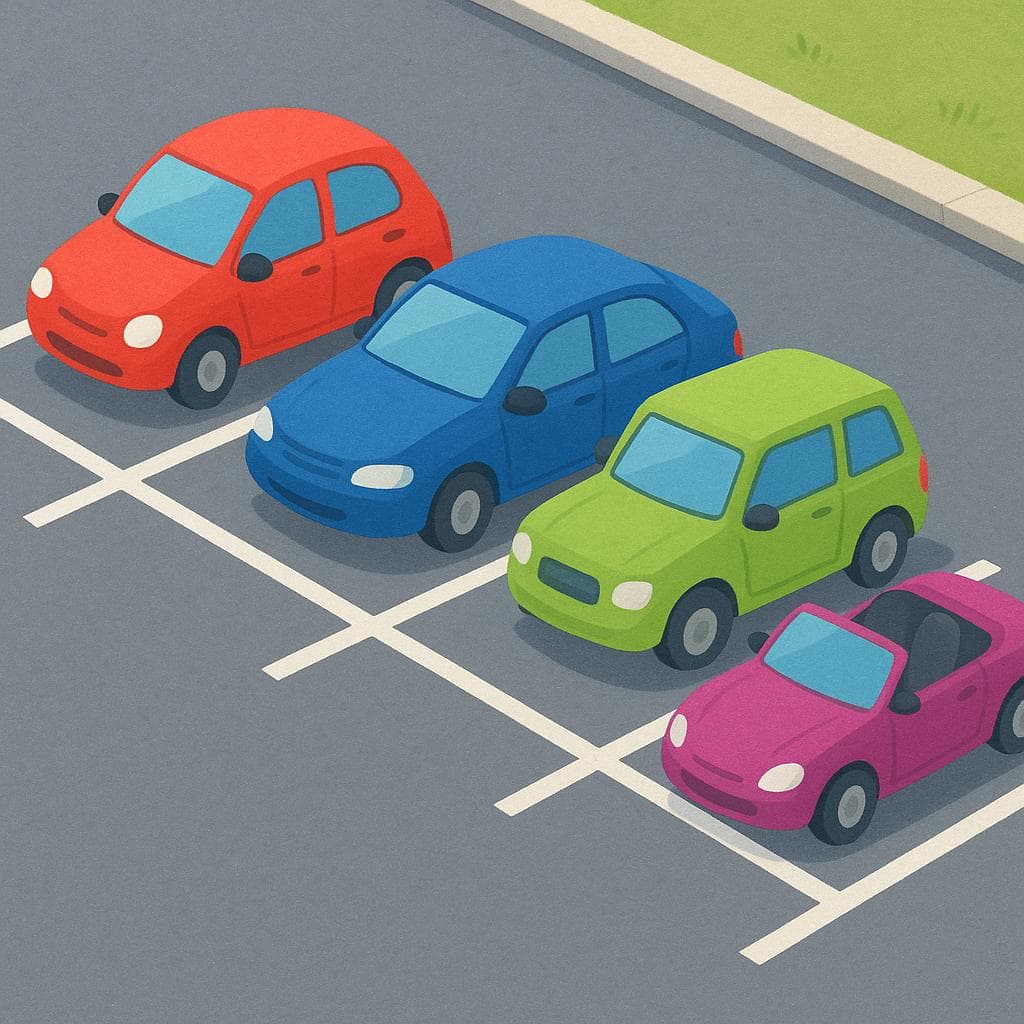
Use 'aparcamiento' when referring to the physical place where you park a car, like a parking lot or garage, or the general concept/service of parking.
Learn more →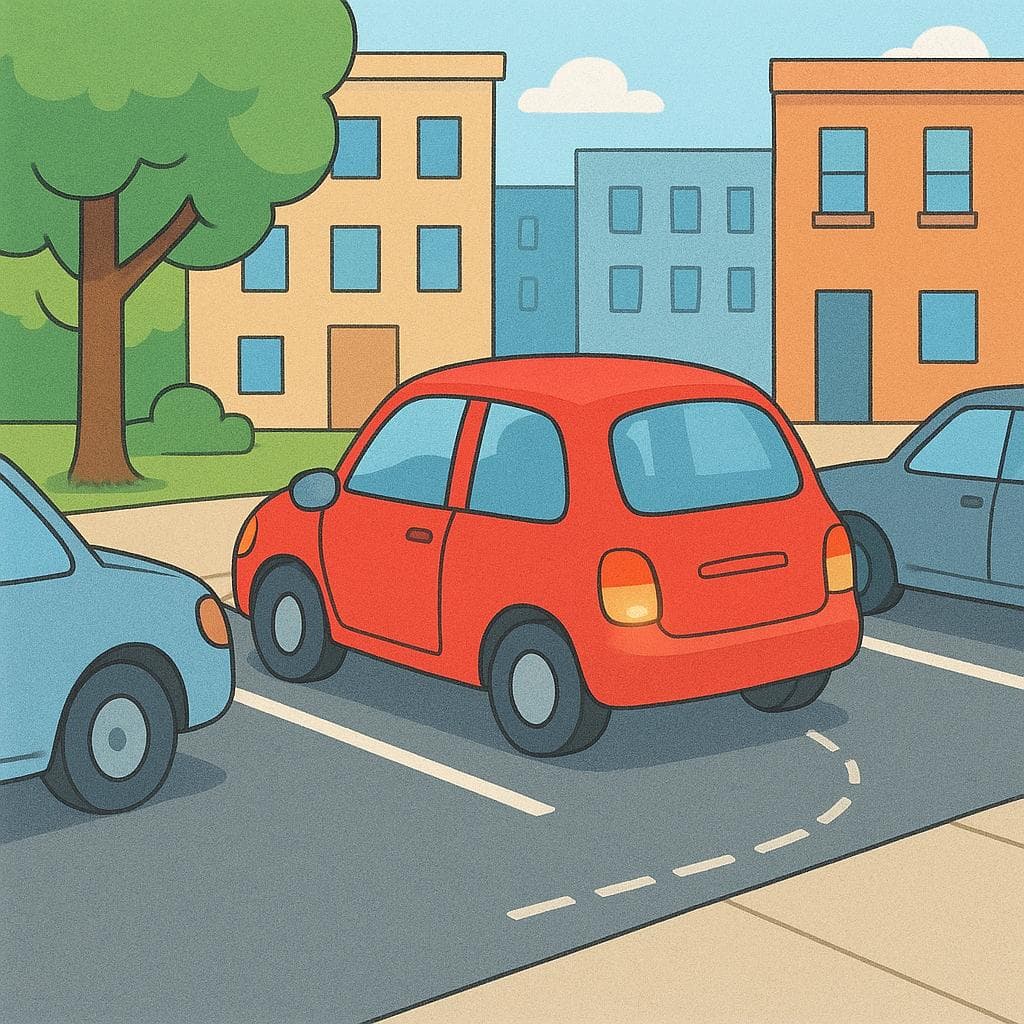
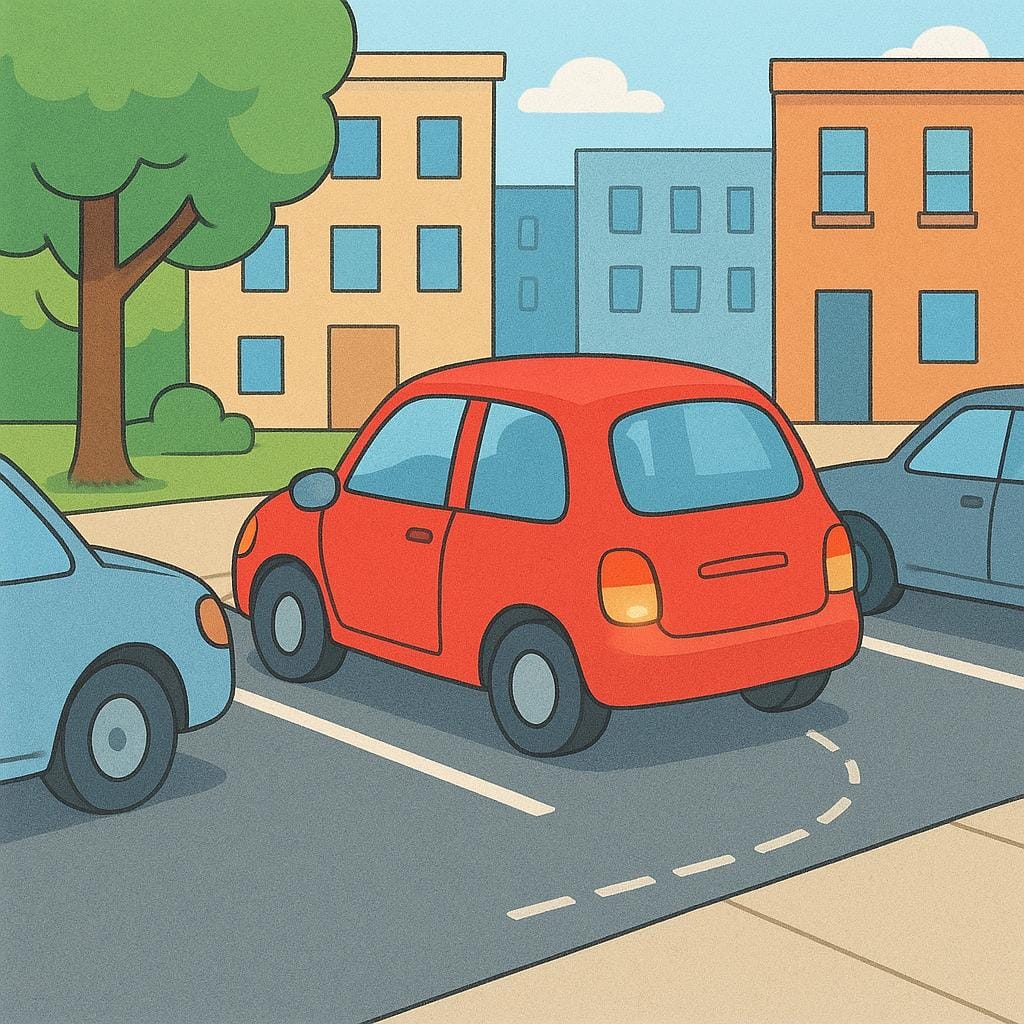
Use 'estacionamiento' when referring to the act or process of parking a vehicle, especially when discussing rules or prohibitions related to parking.
Learn more →a-par-ka-MIEHN-toa.paɾ.kaˈmjen.to
Examples
¿Dónde está el aparcamiento más cercano?
Where is the nearest parking lot?
El centro comercial tiene un aparcamiento subterráneo muy grande.
The shopping center has a very large underground parking garage.
La escasez de aparcamiento en la ciudad es un problema crónico para los residentes.
The scarcity of parking in the city is a chronic problem for residents.
The -miento ending
Nouns ending in '-miento' (like 'aparcamiento') are almost always masculine and refer to the result or action of the verb they come from (in this case, 'aparcar,' meaning 'to park').
Gender confusion
Mistake: “La aparcamiento”
Correction: El aparcamiento. Remember, this noun is masculine (uses 'el').
ess-tah-syoh-nah-mee-en-tohestasionaˈmjento
Examples
El estacionamiento en esta calle está prohibido de 8 a 5.
Parking on this street is prohibited from 8 to 5.
Necesitamos mejorar la gestión del estacionamiento en el centro de la ciudad.
We need to improve the management of parking in the city center.
Official Signs
You will frequently see this word on signs, often abbreviated or used in the passive voice, such as 'Estacionamiento Reservado' (Reserved Parking).
Place vs. Process
The most common mistake is using 'estacionamiento' when you mean a parking lot. Remember, 'aparcamiento' refers to the place (lot, garage), while 'estacionamiento' focuses on the action of parking or parking regulations.
Related Translations
Learn Spanish with Inklingo
Interactive stories, personalized learning, and more.