How to Say "car park" in Spanish
The most common Spanish word for “car park” is “aparcamiento” — use this general term for any place where cars are parked, especially common in Spain and often referring to an open-air lot or a multi-story structure.
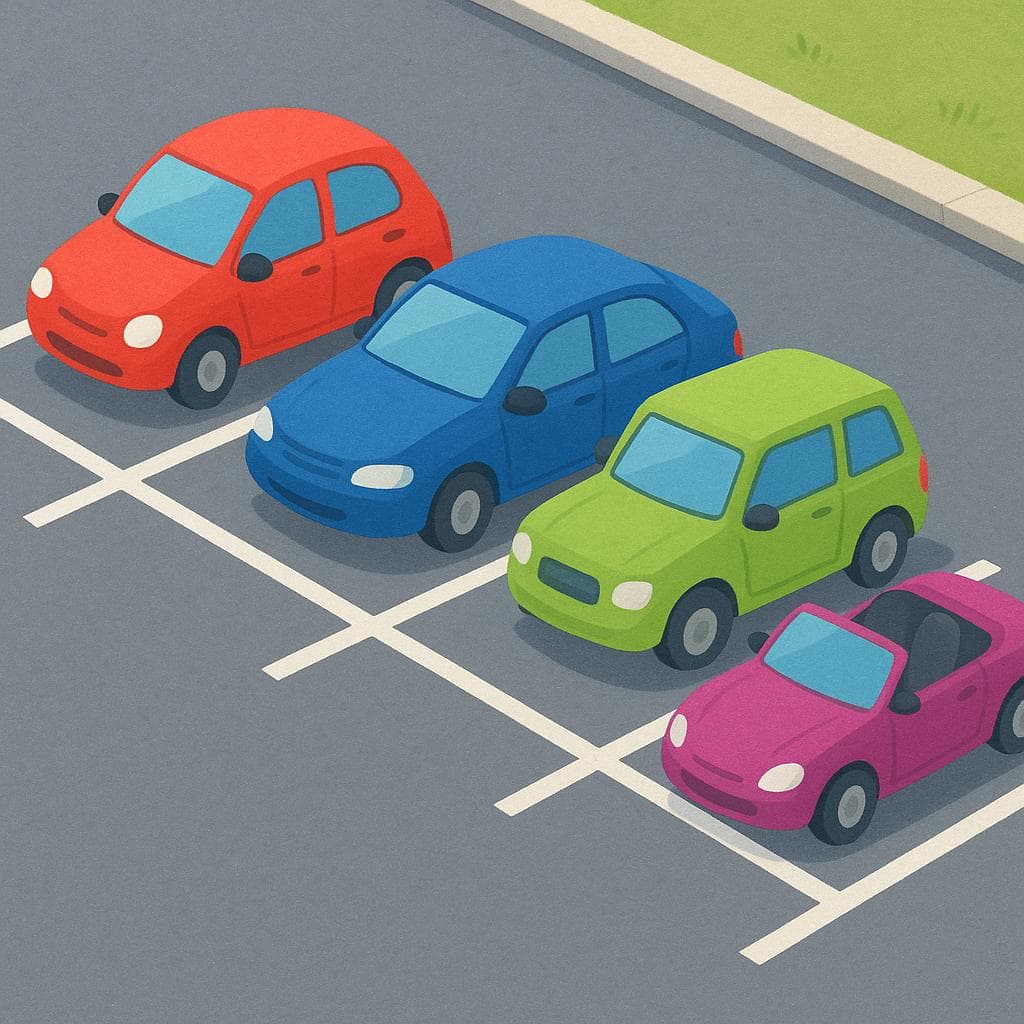
Use this general term for any place where cars are parked, especially common in Spain and often referring to an open-air lot or a multi-story structure.
Learn more →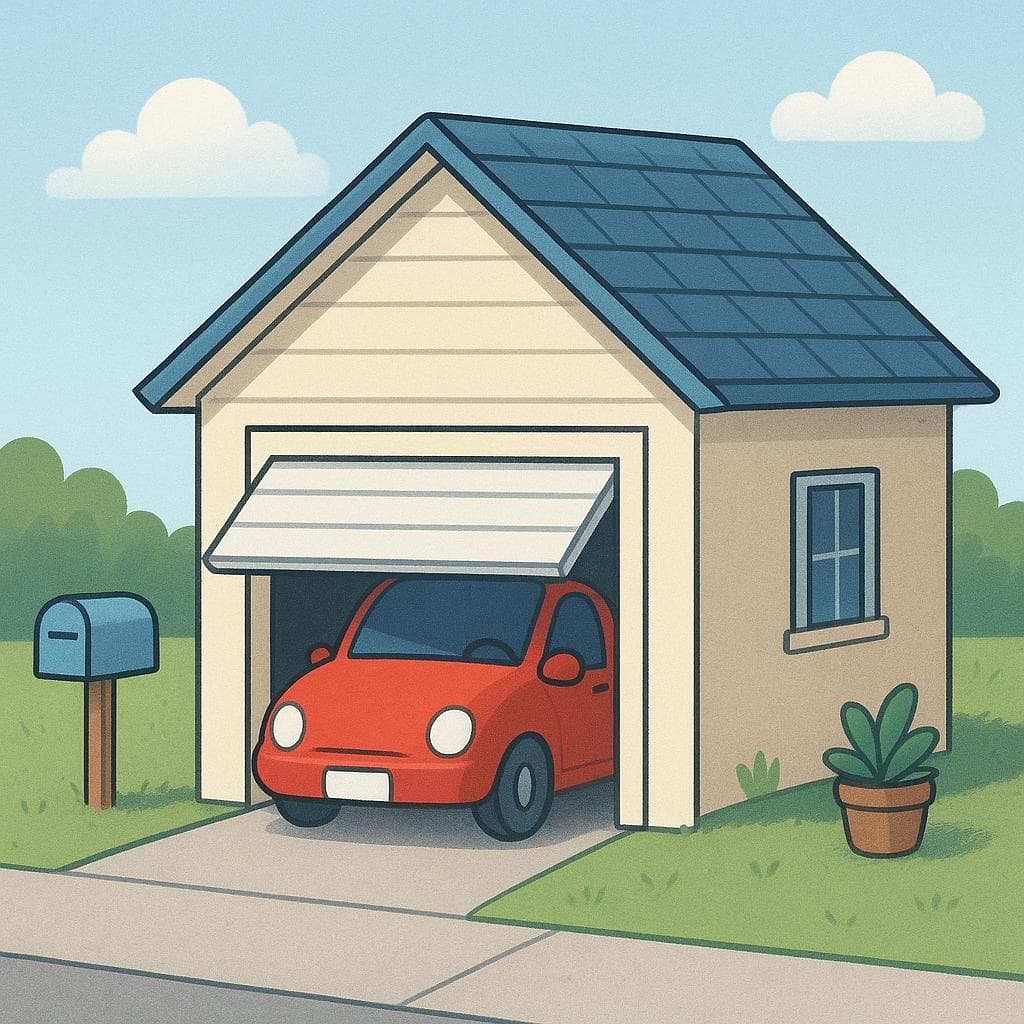
This word specifically refers to an enclosed space for parking, such as a private garage or a multi-story public parking building.
Learn more →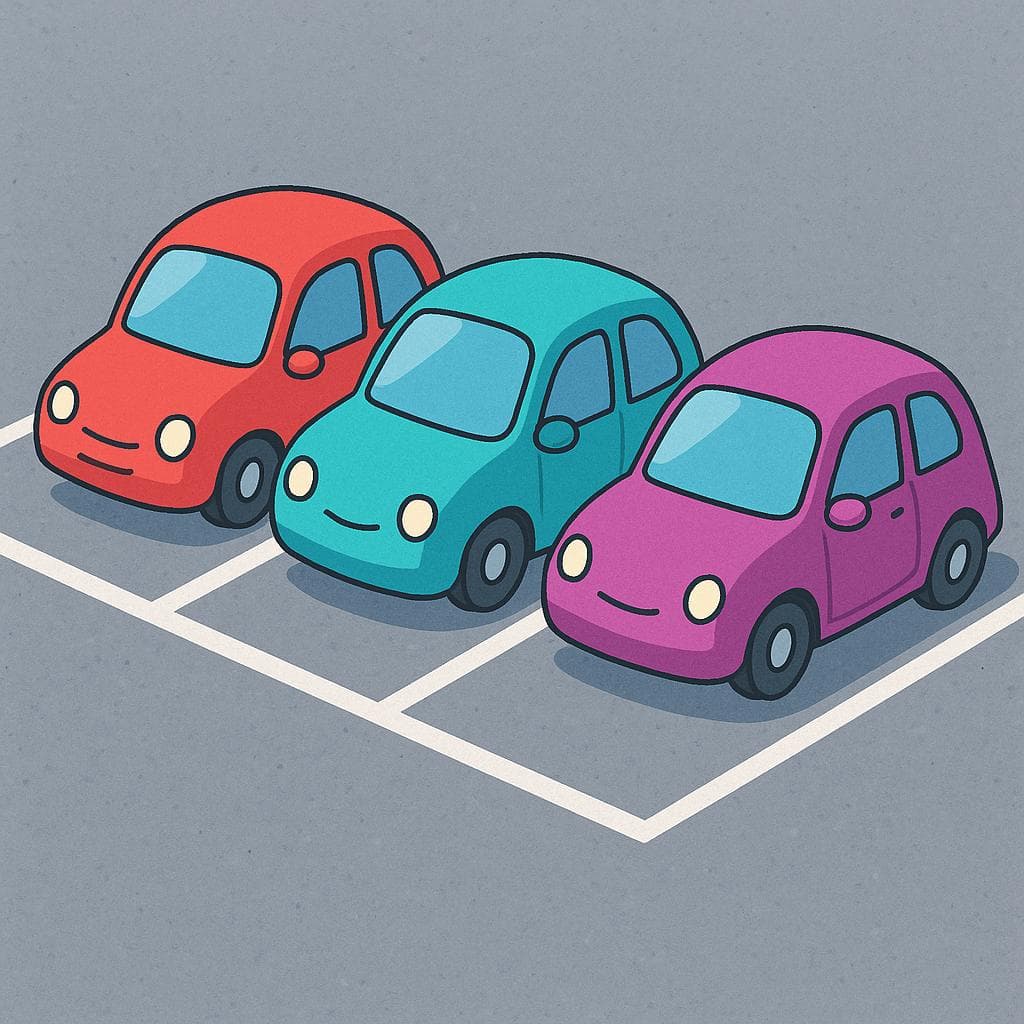
While 'parque' usually means 'park' (for recreation), it can sometimes refer to a parking area, particularly in specific contexts like 'parqueadero' or underground parking.
Learn more →a-par-ka-MIEHN-toa.paɾ.kaˈmjen.to
Examples
¿Dónde está el aparcamiento más cercano?
Where is the nearest parking lot?
El centro comercial tiene un aparcamiento subterráneo muy grande.
The shopping center has a very large underground parking garage.
La escasez de aparcamiento en la ciudad es un problema crónico para los residentes.
The scarcity of parking in the city is a chronic problem for residents.
The -miento ending
Nouns ending in '-miento' (like 'aparcamiento') are almost always masculine and refer to the result or action of the verb they come from (in this case, 'aparcar,' meaning 'to park').
Gender confusion
Mistake: “La aparcamiento”
Correction: El aparcamiento. Remember, this noun is masculine (uses 'el').
gah-RAH-hehgaˈɾa.xe
Examples
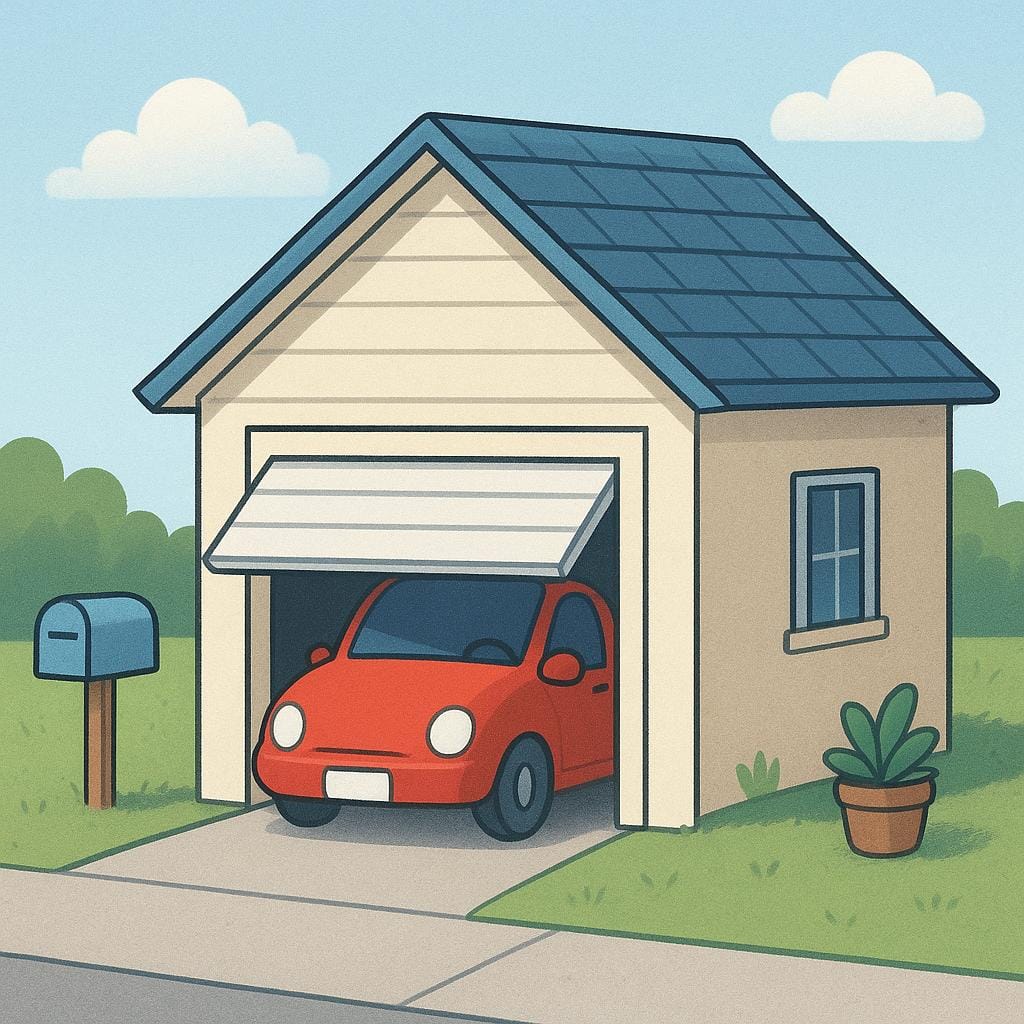
Mi coche está aparcado en el garaje.
My car is parked in the garage.
La puerta del garaje no cierra bien.
The garage door doesn't close properly.
Necesitamos alquilar una plaza de garaje en el centro.
We need to rent a parking space in the center.
Masculine Noun Rule
'Garaje' is a masculine word, so you must always use the masculine article 'el' before it: 'el garaje', not 'la garaje'.
Pronunciation of J
Mistake: “Pronouncing the 'j' like the English 'j' sound (like in 'Jeep').”
Correction: The Spanish 'j' is pronounced like a strong English 'h' sound, particularly in Spain (gah-RAH-heh). In some Latin American regions, it is softer.
PAR-kehˈpaɾke
Examples
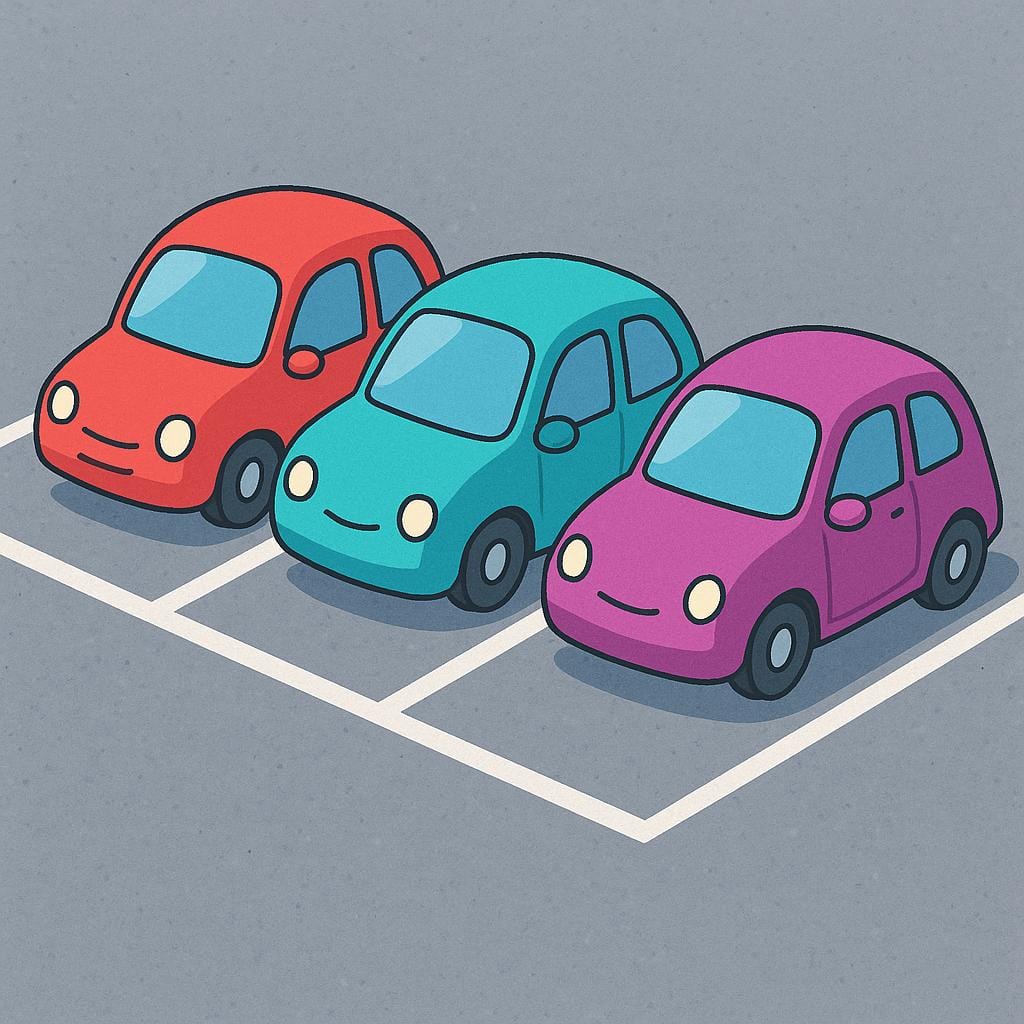
Dejé mi coche en el parque subterráneo.
I left my car in the underground parking garage.
Necesitamos encontrar un parque cerca del centro comercial.
We need to find a parking lot near the mall.
Compound Terms
When 'parque' refers to parking, it is often part of a longer phrase, like 'parque de coches' (car park) or 'parque de bomberos' (fire station/fire engine park).
Garaje vs. Aparcamiento
Learners often confuse 'garaje' and 'aparcamiento'. Remember that 'garaje' is more specific to an enclosed space or building, while 'aparcamiento' is a broader term that can include outdoor lots. In many parts of Spain, 'aparcamiento' is the most common and general term.
Related Translations
Learn Spanish with Inklingo
Interactive stories, personalized learning, and more.