How to Say "park" in Spanish
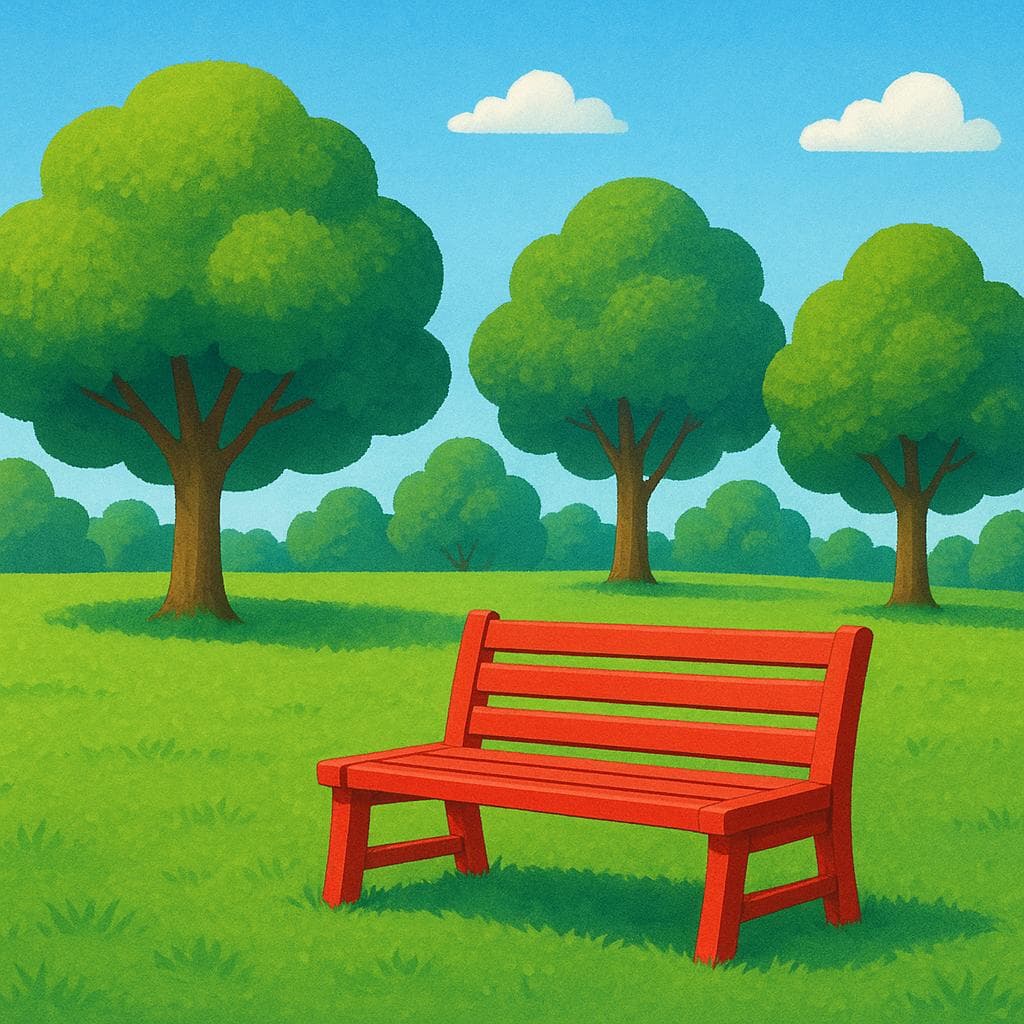
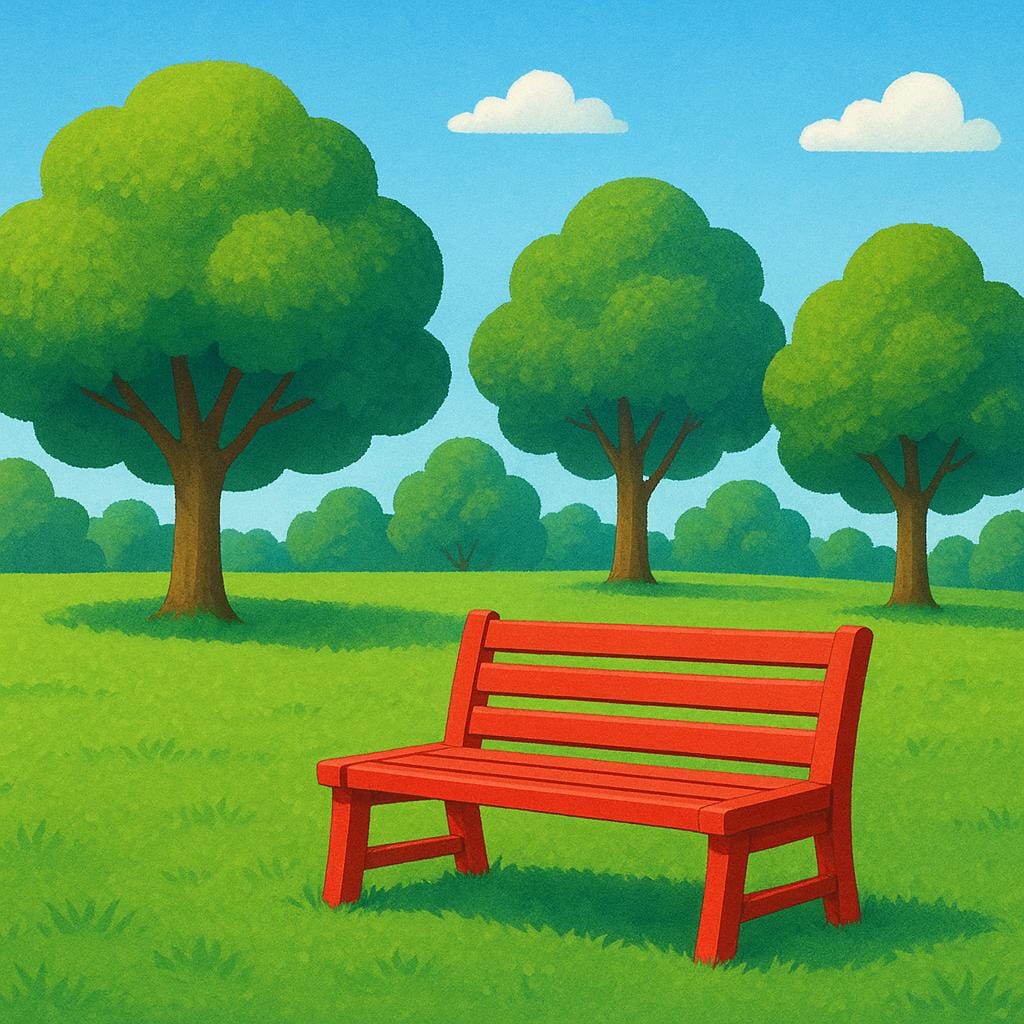
The most common Spanish word for “park” is “parque” — use 'parque' when referring to a public area with green spaces, like a place for recreation or relaxation.
parque
PAR-kehˈpaɾke
Examples
Los niños juegan en el parque.
The children play in the park.
Vamos al parque a jugar al fútbol.
Let's go to the park to play soccer.
El Parque Nacional de Doñana es enorme.
Doñana National Park is enormous.
Hay muchos niños en el parque infantil.
There are many children in the playground (children's park).
Use of 'al'
When saying you are going 'to the park,' you combine 'a' (to) and 'el' (the) to form the required contraction 'al'.
Gender confusion
Mistake: “La parque.”
Correction: It is 'el parque' (masculine). Nouns ending in -e are often masculine in Spanish.
pare
PAH-rehpa.ɾe
Examples
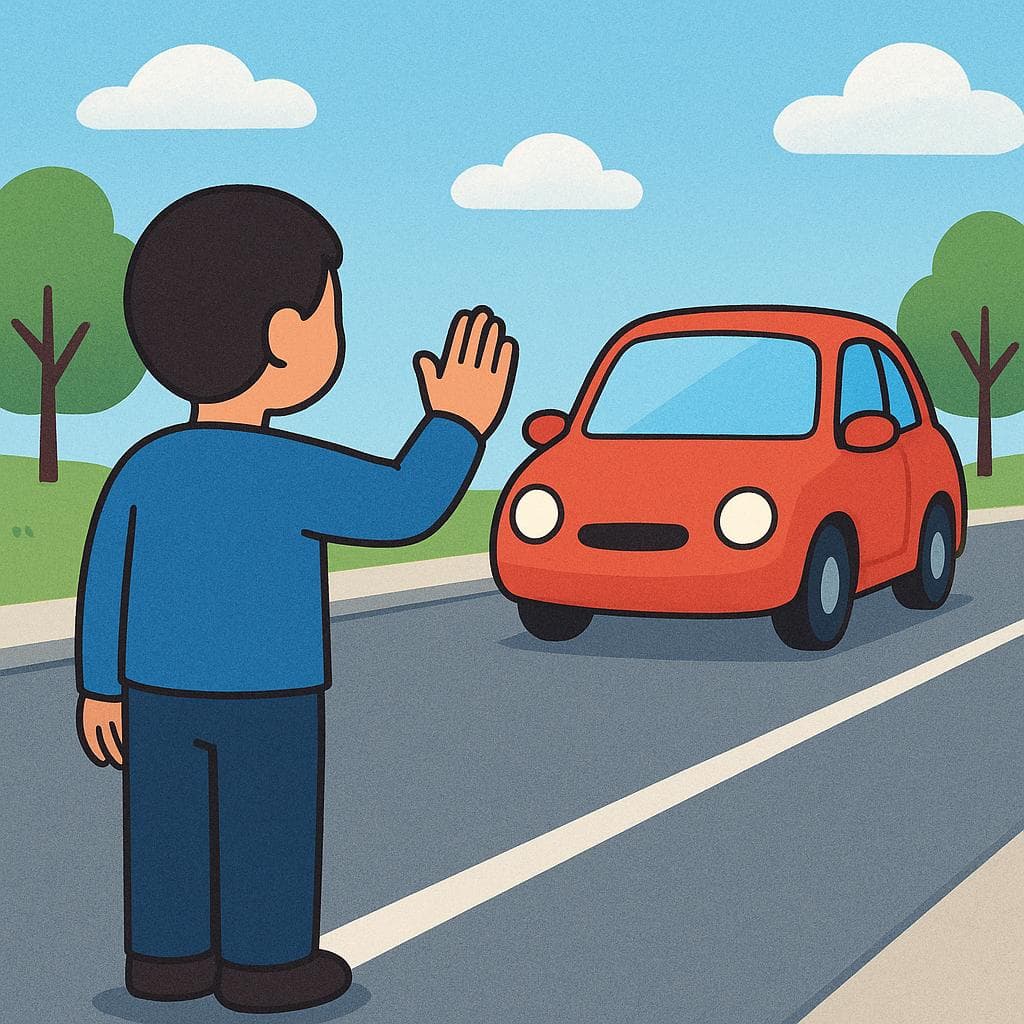
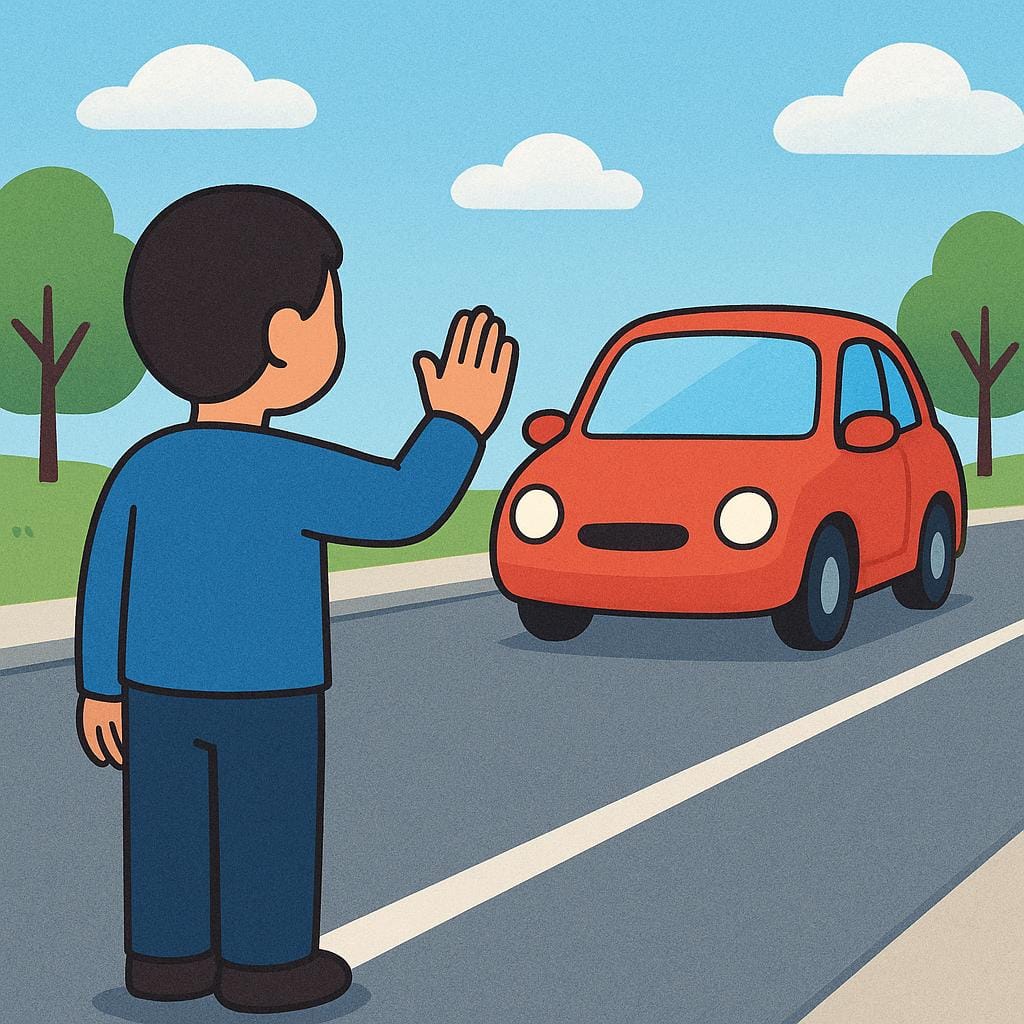
Por favor, pare el coche aquí.
Please, park the car here.
Por favor, pare el coche frente al banco.
Please, stop the car in front of the bank.
Señorita, pare aquí, hemos llegado.
Miss, stop here, we have arrived.
Formal Command (Usted)
When you want to give a command formally (to someone you call 'Usted'), you use the same form as the 'él/ella/usted' version of the present subjunctive. This is why 'pare' is used here.
Using the wrong command form
Mistake: “Using 'para' (the informal command) when speaking to a boss or elder: 'Jefe, para aquí.'”
Correction: Use 'pare' for formal situations: 'Jefe, pare aquí.' The choice depends on your relationship with the person.
Confusing 'parque' and 'parar'
Related Translations
Learn Spanish with Inklingo
Interactive stories, personalized learning, and more.