How to Say "patch" in Spanish
The most common Spanish word for “patch” is “parche” — use this word when referring to a piece of material used to mend or cover a hole, especially on clothing or tires.


parche
par-chehˈpaɾtʃe
Examples
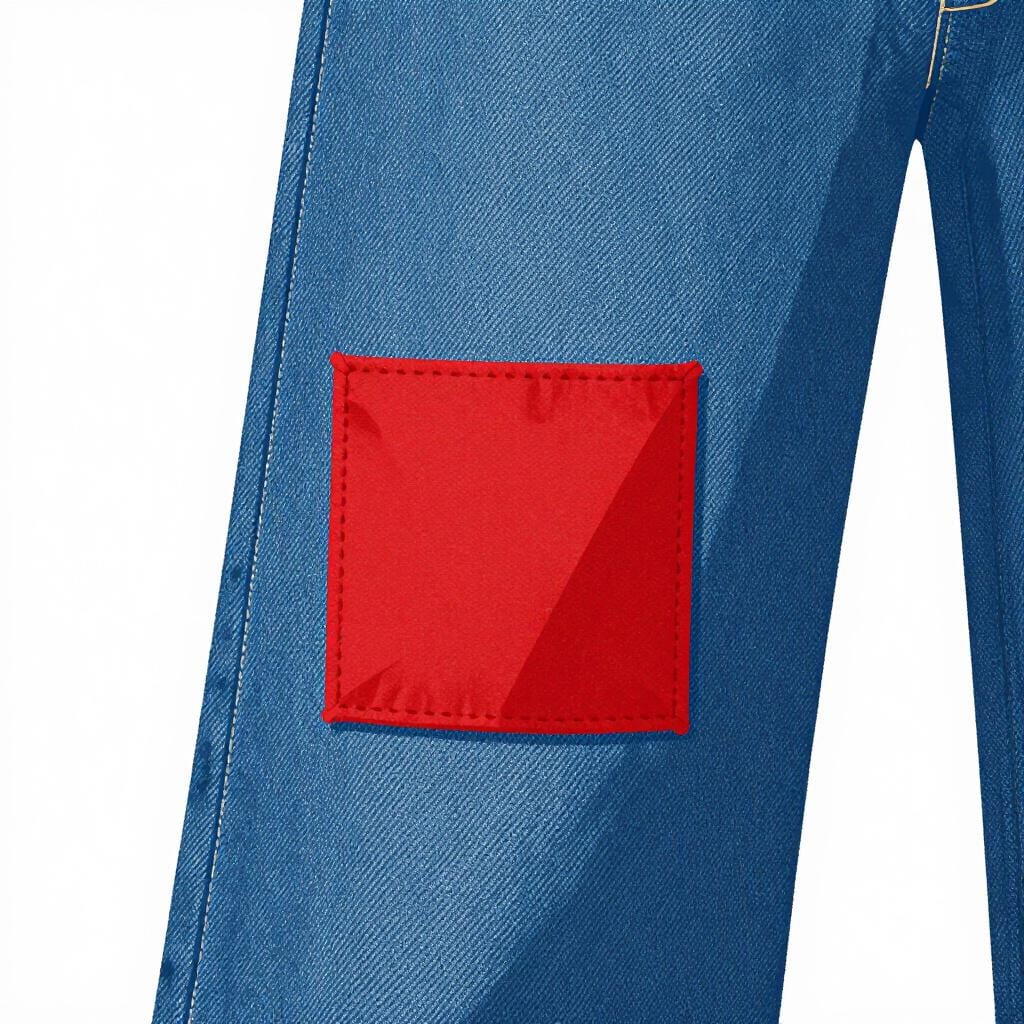
Le puse un parche a mi pantalón favorito.
I put a patch on my favorite pants.
El mecánico arregló el pinchazo con un parche.
The mechanic fixed the puncture with a patch.
Tengo que tensar el parche de la batería.
I have to tighten the drumhead of the drum set.
Using 'un' with Parche
Since 'parche' is a masculine noun ending in 'e', you use 'un' or 'el'. Don't let the 'e' ending trick you into thinking it's feminine!
Patching vs. Fixing
Mistake: “Yo parche mi ropa.”
Correction: Yo le pongo un parche a mi ropa.
mancha
MAHN-chahˈmanʧa

Examples
En el mapa se ve una mancha azul que indica el lago.
On the map, you can see a blue patch that indicates the lake.
El sol creó una mancha de luz muy brillante en la pared.
The sun created a very bright patch of light on the wall.
Patch vs. Stain
Related Translations
Learn Spanish with Inklingo
Interactive stories, personalized learning, and more.