How to Say "patterns" in Spanish
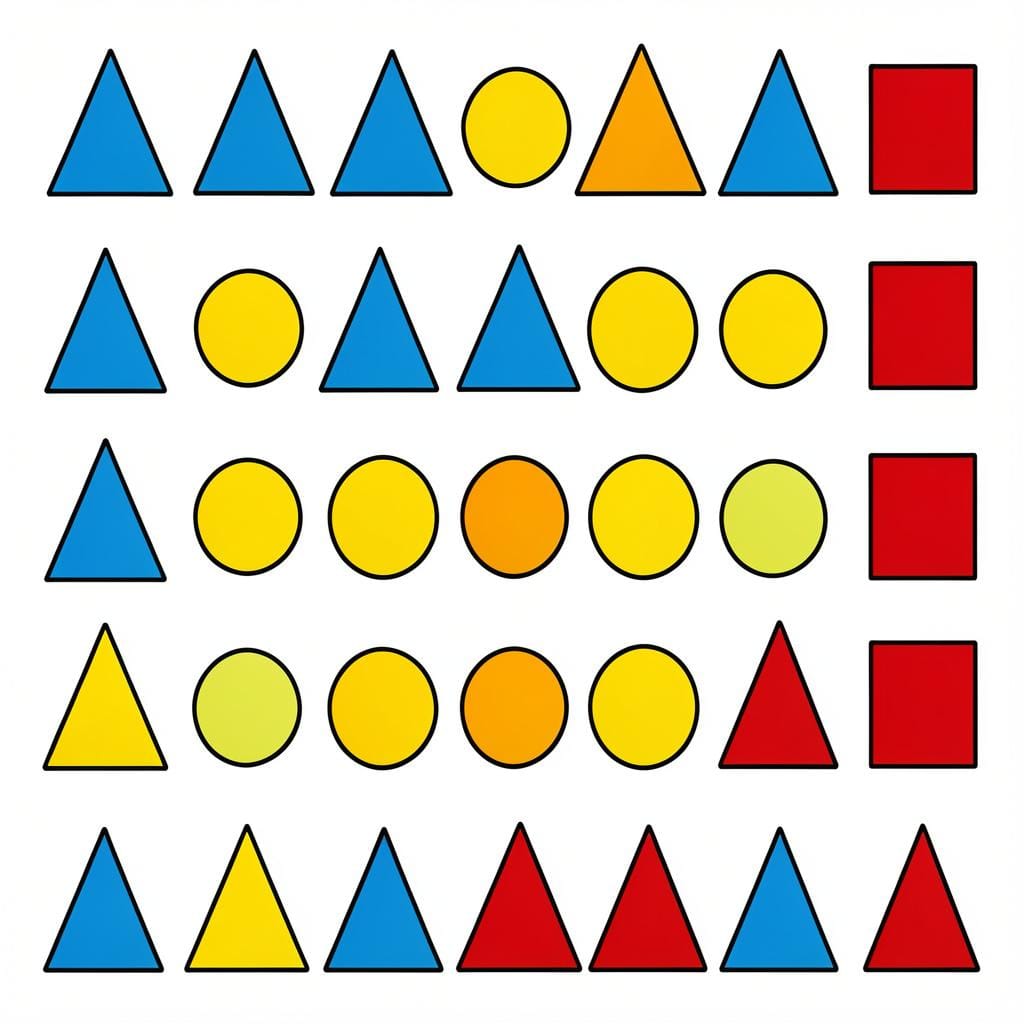
The most common Spanish word for “patterns” is “patrones” — use 'patrones' when referring to repetitive designs, sequences, or recurring events like weather or behavior.
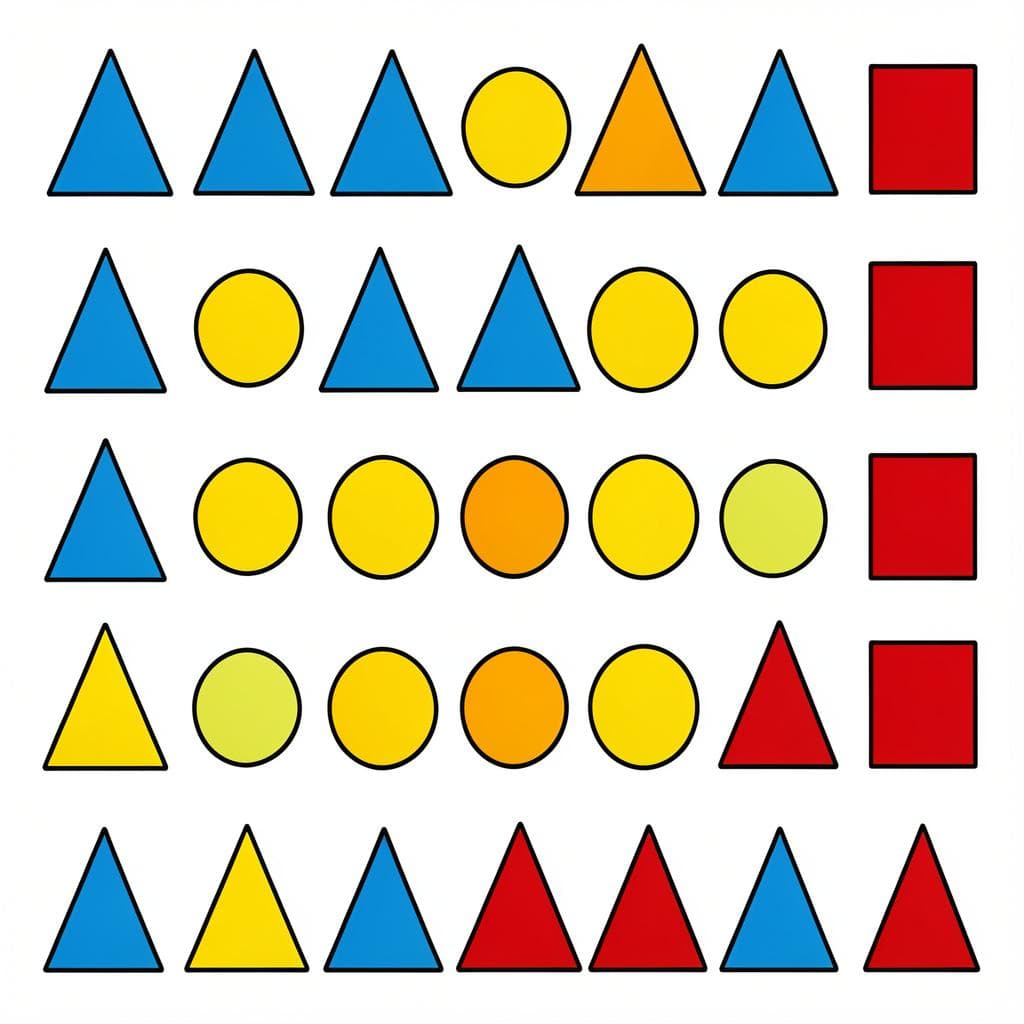
patrones
pah-TROH-nehspaˈtɾones
Examples
Estamos estudiando los patrones climáticos de la región.
We are studying the weather patterns of the region.
Ella usa patrones de papel para hacer sus vestidos.
She uses paper patterns to make her dresses.
Where did the accent go?
The singular form is 'patrón' with an accent. When it becomes plural 'patrones,' the stress naturally stays on the 'o,' so the written accent mark is no longer needed.
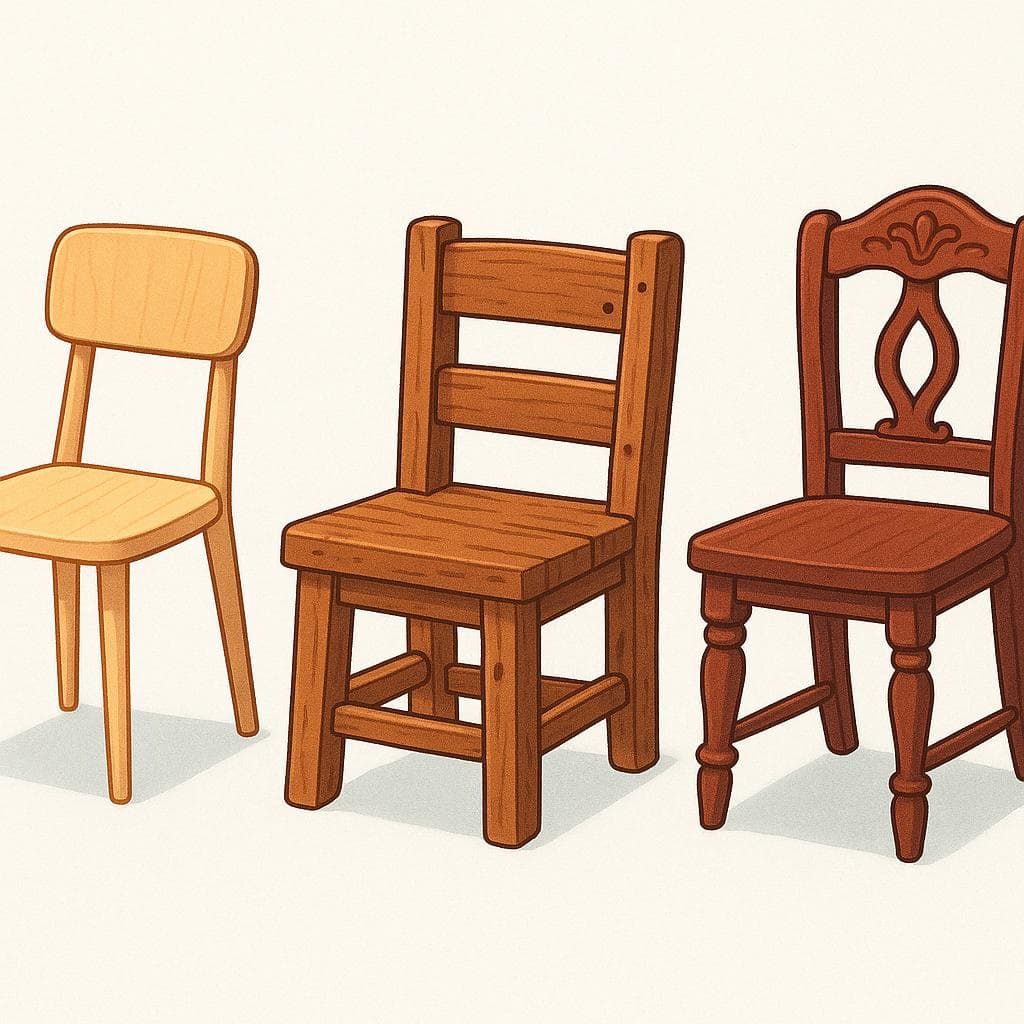
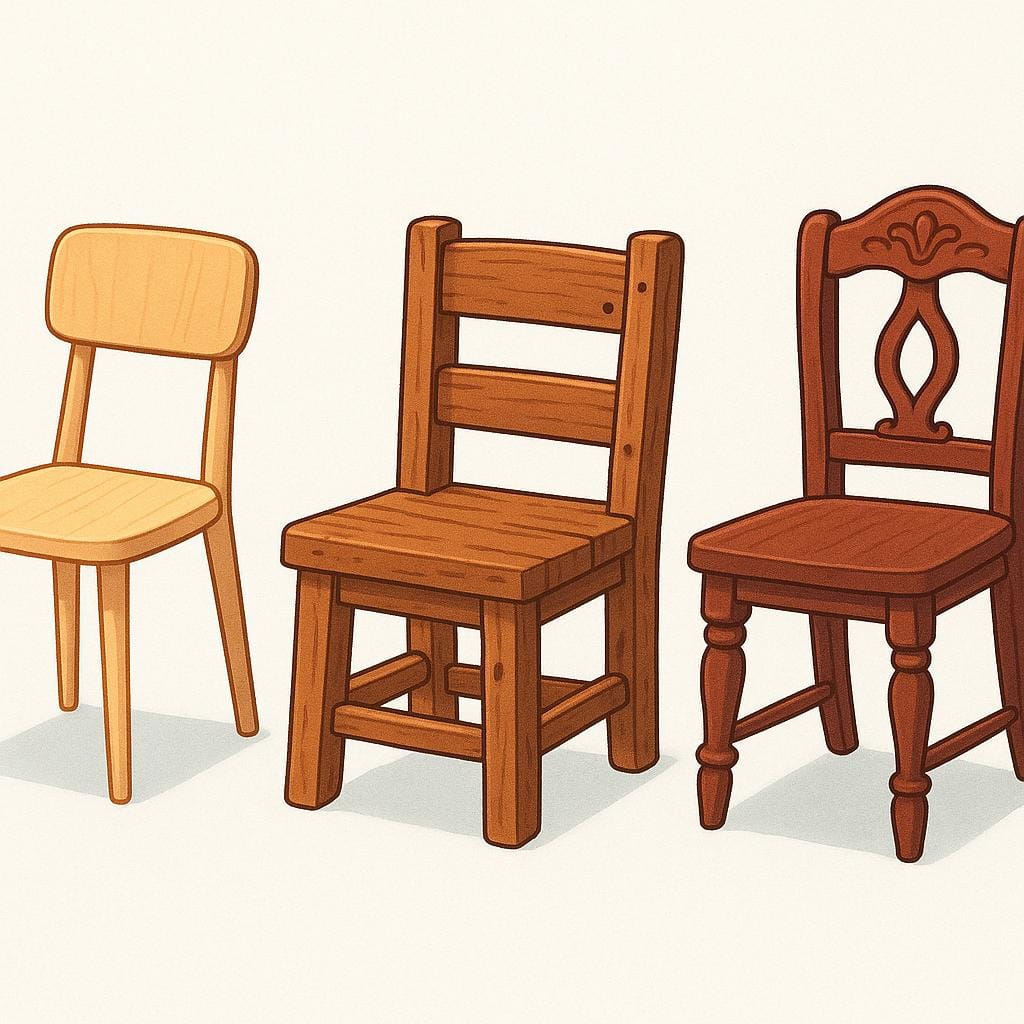
modelos
moh-DEH-losmoˈðe.los
Examples
Todos los modelos de coches nuevos tienen GPS.
All the new car models have GPS.
Necesitamos tres modelos diferentes para la presentación.
We need three different designs for the presentation.
Plural Noun
This word is the plural form of 'modelo.' Since 'modelo' ends in a vowel, you just add '-s' to make it plural.
Confusing Gender
Mistake: “La modelos (using the feminine article)”
Correction: Los modelos (even though it ends in '-o', the word 'modelo' referring to a design is always masculine, so use 'los').
Modelos vs. Patrones
Related Translations
Learn Spanish with Inklingo
Interactive stories, personalized learning, and more.