Inklingo

modelos

/moh-DEH-los/

models

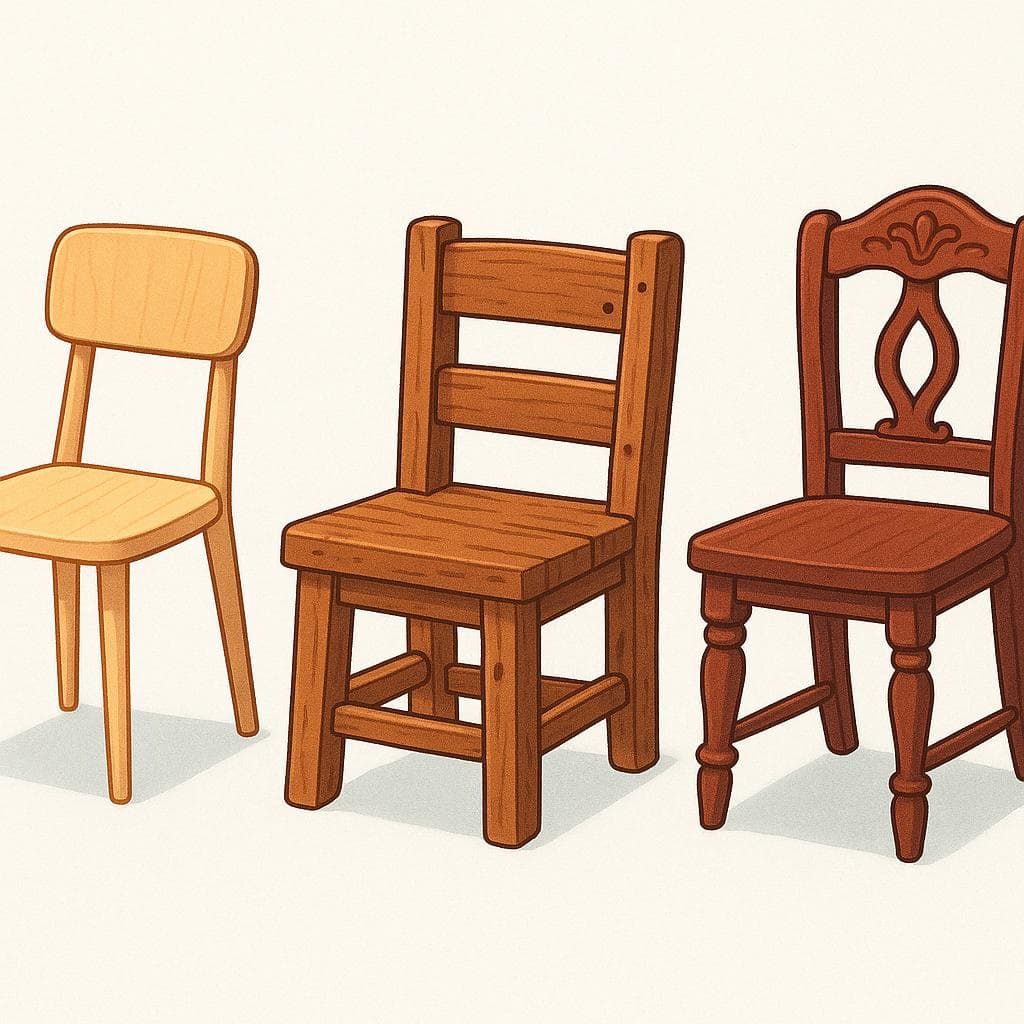
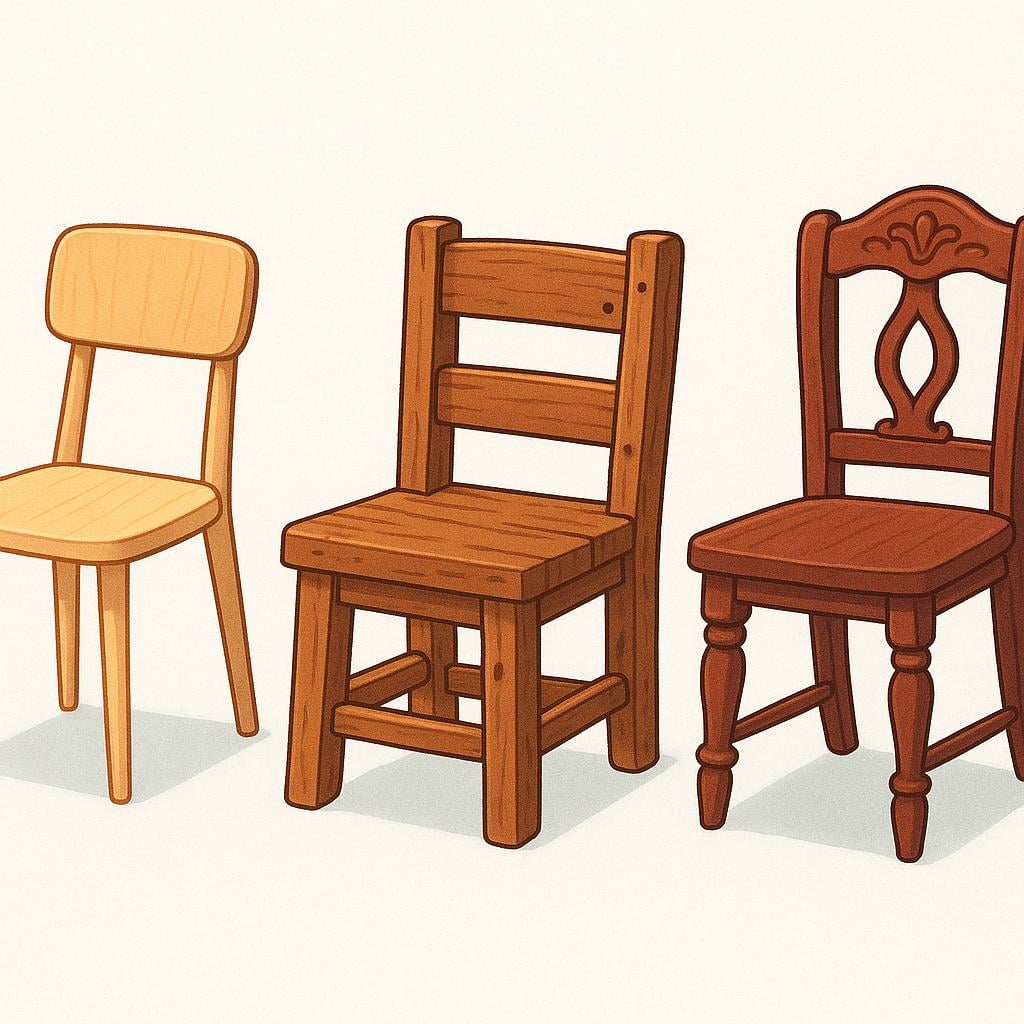
Three distinct wooden chairs lined up, each representing a different design type or version.

Different designs or versions of the same item are often called modelos.

modelos(noun)

mA1

models

?

types, versions, or designs

,

patterns

?

a physical template or design

Also:

designs

?

industrial design or architecture

,

prototypes

?

initial versions

📝 In Action

Todos los modelos de coches nuevos tienen GPS.

A1

All the new car models have GPS.

Necesitamos tres modelos diferentes para la presentación.

A2

We need three different designs for the presentation.

Word Connections

Synonyms

  • tipos (types)
  • versiones (versions)

Common Collocations

  • modelos de negociobusiness models
  • modelos a escalascale models

💡 Grammar Points

Plural Noun

This word is the plural form of 'modelo.' Since 'modelo' ends in a vowel, you just add '-s' to make it plural.

❌ Common Pitfalls

Confusing Gender

Mistake: "La modelos (using the feminine article)"

Correction: Los modelos (even though it ends in '-o', the word 'modelo' referring to a design is always masculine, so use 'los').

⭐ Usage Tips

Technical Use

When talking about scientific, economic, or technological frameworks, 'modelos' is the correct and formal word.

Two people wearing colorful fashion garments walking confidently on a bright, minimalist runway.

People who pose for fashion or art are known as modelos.

modelos(noun)

mA2

models

?

people who pose for art or fashion

Also:

mannequins

?

rarely used, but possible

📝 In Action

Los modelos desfilaron por la pasarela con ropa nueva.

A2

The models walked down the runway wearing new clothes.

Contrataron a varios modelos para la sesión de fotos.

B1

They hired several models for the photoshoot.

Word Connections

Synonyms

  • maniquíes (mannequins)
  • figurantes (extras/figures)

Common Collocations

  • modelos de modafashion models
  • agencia de modelosmodeling agency

💡 Grammar Points

Gender Flexibility

When referring to people, 'modelo' doesn't change its ending. Instead, the article shows gender: 'los modelos' (male or mixed group) or 'las modelos' (female group).

❌ Common Pitfalls

Mixing up the person and the object

Mistake: "Compré unos modelos muy bonitos (when meaning 'I bought some beautiful female models')."

Correction: Use 'Compré unas modelos muy bonitas' to clearly indicate female models, using the feminine article 'unas'.

⭐ Usage Tips

Referring to a Mixed Group

If the group includes even one male, you must use the masculine plural 'los modelos'—this is standard Spanish practice.

Two children happily high-fiving two successful, smiling adults, symbolizing positive role models.

People who inspire others to be better are important modelos (role models).

modelos(noun)

mB1

role models

?

people to emulate

,

examples

?

illustrative cases

Also:

templates

?

a perfect example to follow

📝 In Action

Los padres deben ser buenos modelos para sus hijos.

B1

Parents should be good role models for their children.

Estudiamos varios modelos a seguir en historia.

B2

We studied several examples (or 'models to follow') in history.

Word Connections

Synonyms

  • ejemplos (examples)
  • guías (guides)

Common Collocations

  • modelos a seguirrole models
  • modelos de conductabehavioral models

💡 Grammar Points

Abstract Concepts

When 'modelos' refers to abstract concepts like behavior or systems, it nearly always uses the masculine article 'los'.

❌ Common Pitfalls

Using 'ejemplar' instead

Mistake: "Ellos son ejemplares a seguir."

Correction: While 'ejemplares' means 'exemplary,' 'modelos a seguir' is the much more natural and common phrase for 'role models.'

⭐ Usage Tips

Formal Context

This meaning is often used in writing, speeches, or formal discussions about ethics, education, or social science.

✏️ Quick Practice

💡 Quick Quiz: modelos

Question 1 of 1

Which sentence uses 'modelos' to refer to people, not designs?

📚 More Resources

Word Family

Frequently Asked Questions

Is 'modelo' masculine or feminine?

This is tricky! The word 'modelo' itself is technically masculine ('el modelo') when referring to a design, type, or concept. However, when referring to a person (a fashion model), the word stays the same, but the article changes to match the person's gender: 'el modelo' (male model) and 'la modelo' (female model). Since 'modelos' is the plural, use 'los modelos' for designs or mixed groups of people, and 'las modelos' only for groups of exclusively female models.