How to Say "poverty" in Spanish
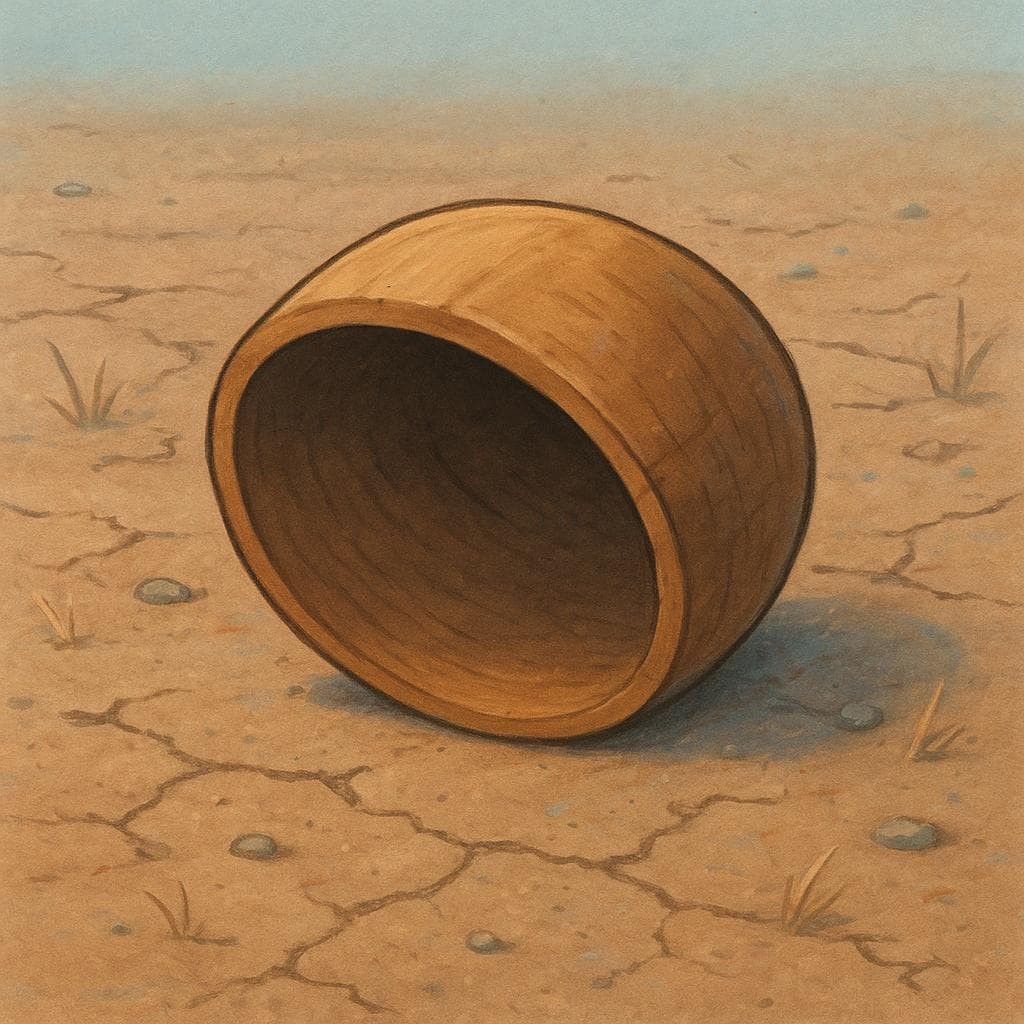
The most common Spanish word for “poverty” is “pobreza” — use 'pobreza' for the general concept of lacking money or goods, often used in discussions about social issues or economic conditions.


pobreza
poh-BREH-sahpoˈβɾeθa

Examples
El gobierno implementó nuevos programas para reducir la pobreza.
The government implemented new programs to reduce poverty.
Viven en la pobreza extrema, sin acceso a agua potable.
They live in extreme poverty, without access to drinking water.
Mucha gente sufre de pobreza en el mundo.
Many people suffer from poverty in the world.
Always Feminine
Since 'pobreza' ends in -a, it is a feminine noun, so you always use feminine articles like 'la' or 'una' before it.
necesidad
ne-se-see-dadnesesiˈðað
Examples
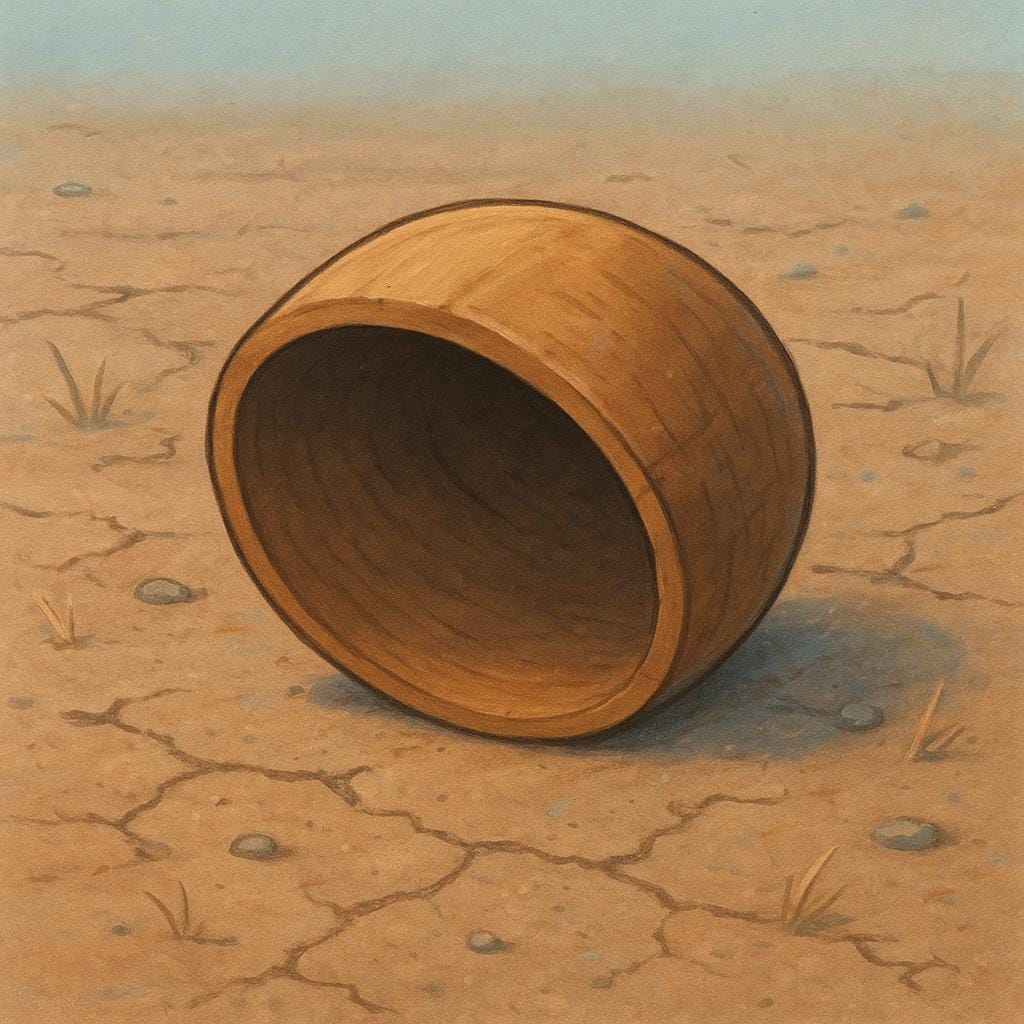
La crisis sumió a muchas familias en la necesidad.
The crisis plunged many families into destitution/want.
Ayudamos a los que viven en necesidad extrema.
We help those who live in extreme poverty.
Use with 'Vivir' or 'Sumergir'
This meaning often appears after verbs like 'vivir' (to live) or 'sumergir' (to plunge), emphasizing the state of being poor or deprived.
miseria
mee-SEH-ryahmiˈse.rja

Examples
Mucha gente vive en la miseria absoluta en esa región.
Many people live in absolute poverty in that region.
La guerra dejó al país sumido en la miseria.
The war left the country plunged into destitution.
Always Feminine
Since 'miseria' ends in -a, it is always a feminine noun and uses 'la' or 'una'.
Pobreza vs. Miseria vs. Necesidad
Related Translations
Learn Spanish with Inklingo
Interactive stories, personalized learning, and more.