How to Say "power unit" in Spanish
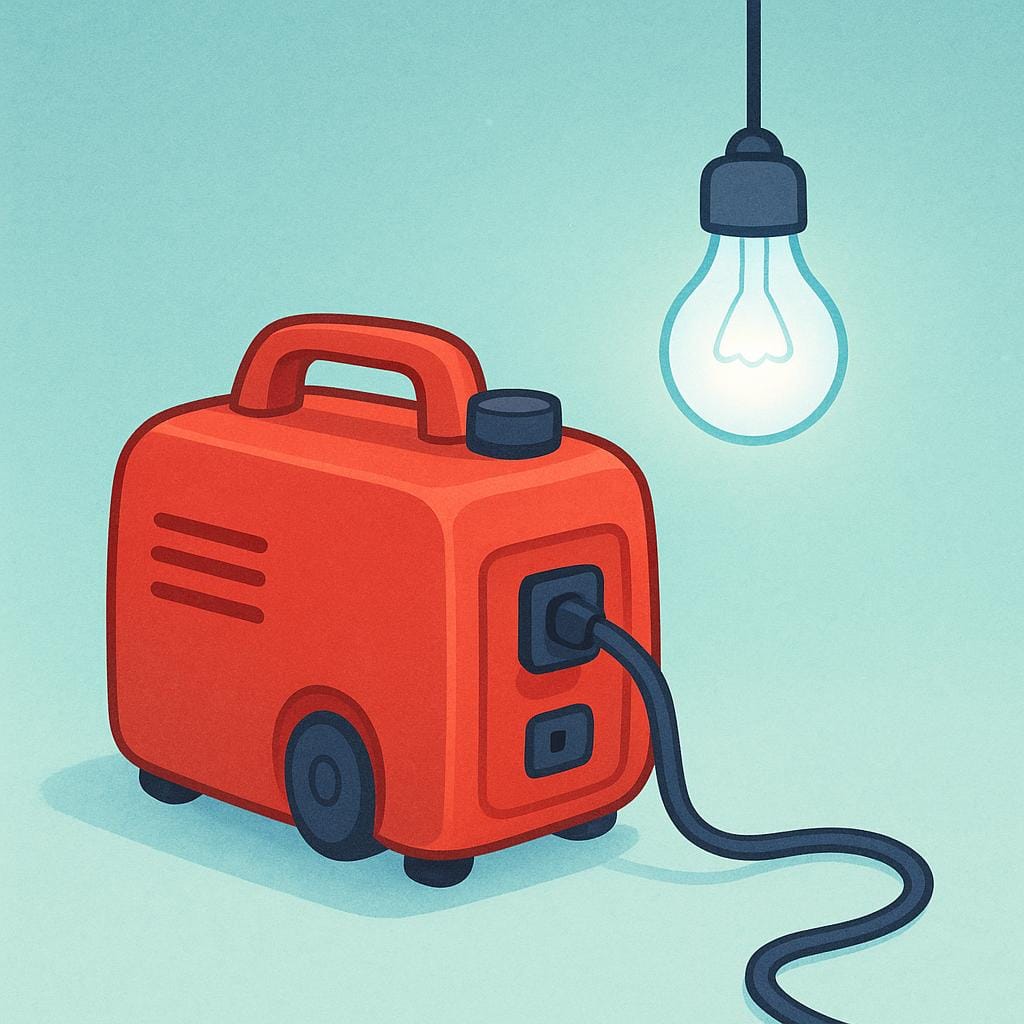
The most common Spanish word for “power unit” is “generador” — use 'generador' when referring to a machine that produces electricity, especially as a backup source.
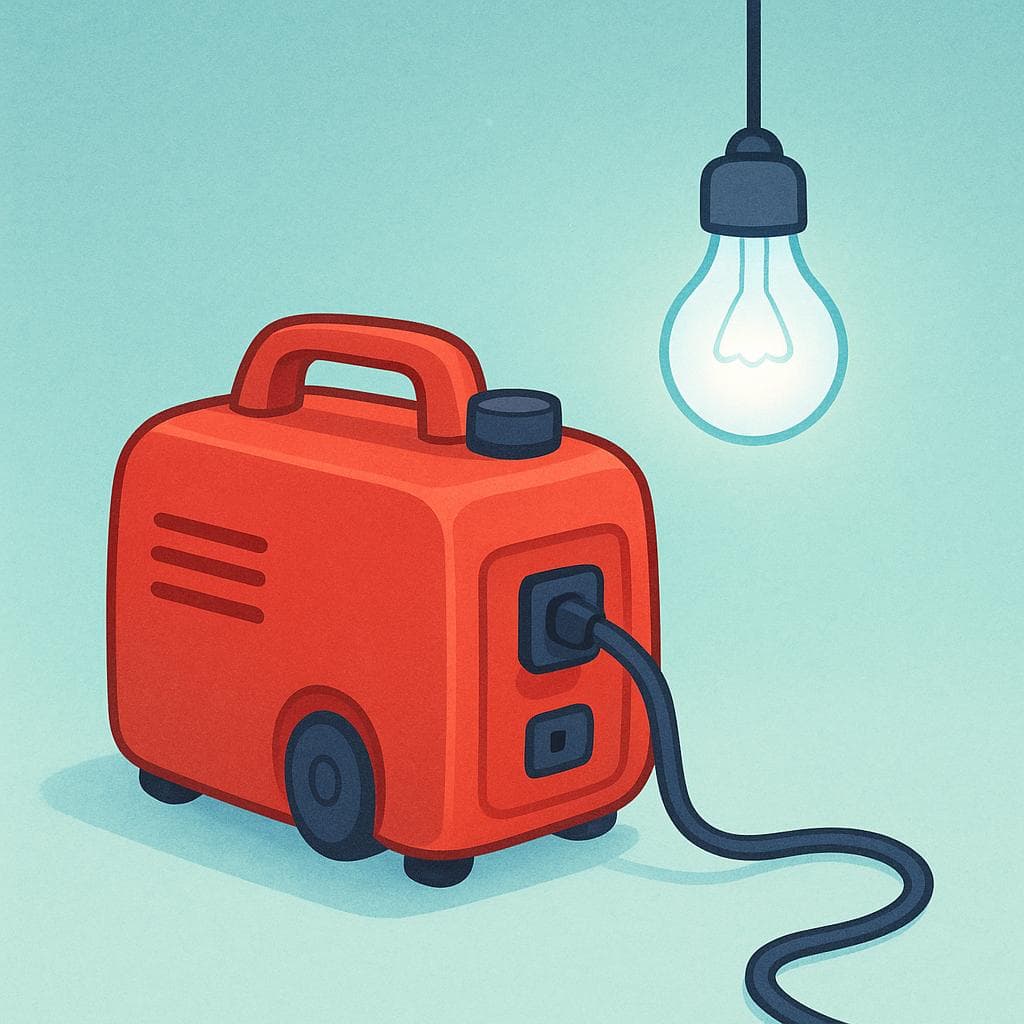
generador
heh-neh-rah-DORxeneɾaˈðoɾ
Examples
Necesitamos un generador de emergencia si se va la luz.
We need an emergency generator if the power goes out.
El ruido del generador no me deja dormir.
The noise from the generator doesn't let me sleep.
Esta aplicación es un generador de códigos QR.
This application is a QR code generator.
Masculine Noun Rule
Even though it ends in '-or', this word is masculine and uses 'el' or 'un'. Remember to use 'la generadora' only when referring to the feminine adjective or the machine itself is referred to using the feminine noun 'máquina generadora'.
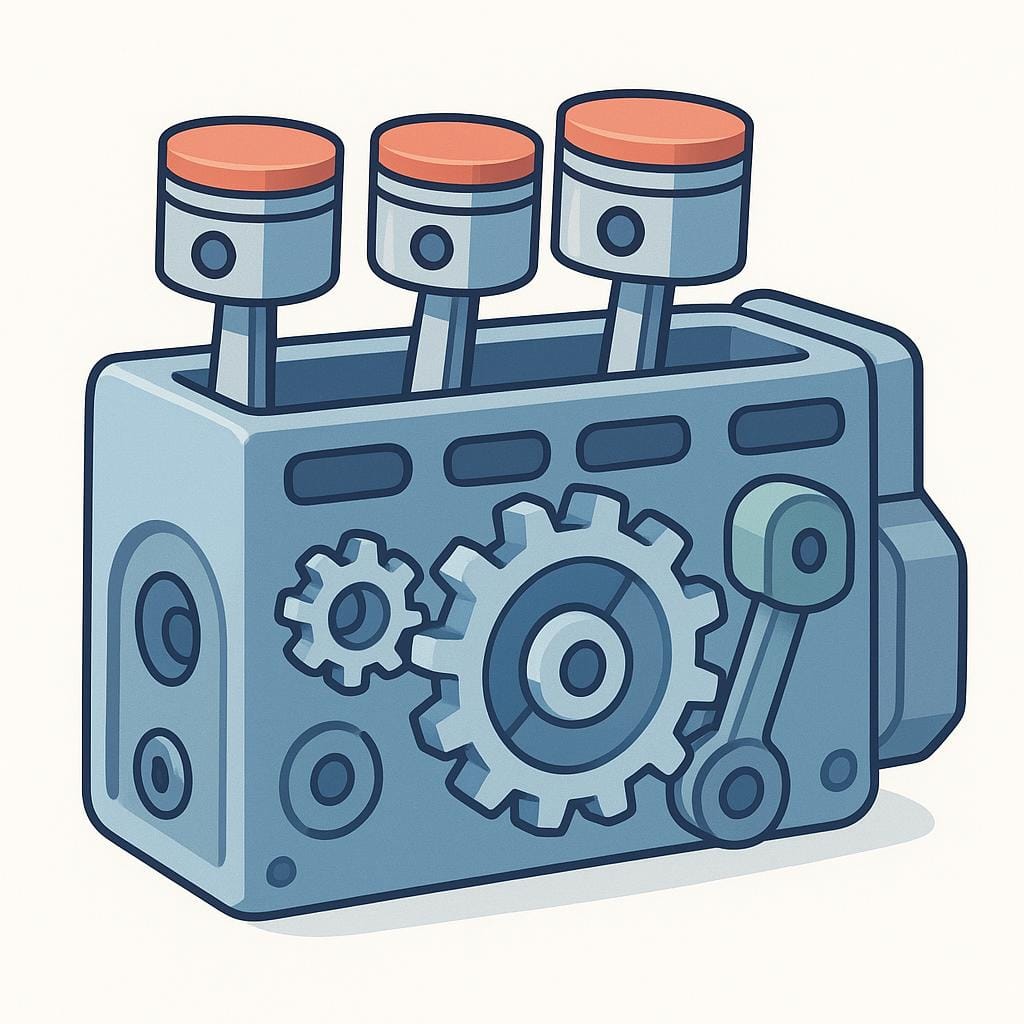
motor
moh-TOHRmoˈtoɾ
Examples
El coche no arranca; el mecánico dijo que el motor necesita reparación.
The car won't start; the mechanic said the engine needs repair.
Este barco utiliza un motor fuera de borda muy potente.
This boat uses a very powerful outboard motor.
El ascensor tiene un motor eléctrico que funciona con muy poco ruido.
The elevator has an electric motor that runs very quietly.
Gender Alert
Even though 'motor' ends in -or, which sometimes makes a noun feminine (like 'flor'), this word is always masculine: 'el motor'.
Generador vs. Motor
Related Translations
Learn Spanish with Inklingo
Interactive stories, personalized learning, and more.