How to Say "practicing" in Spanish
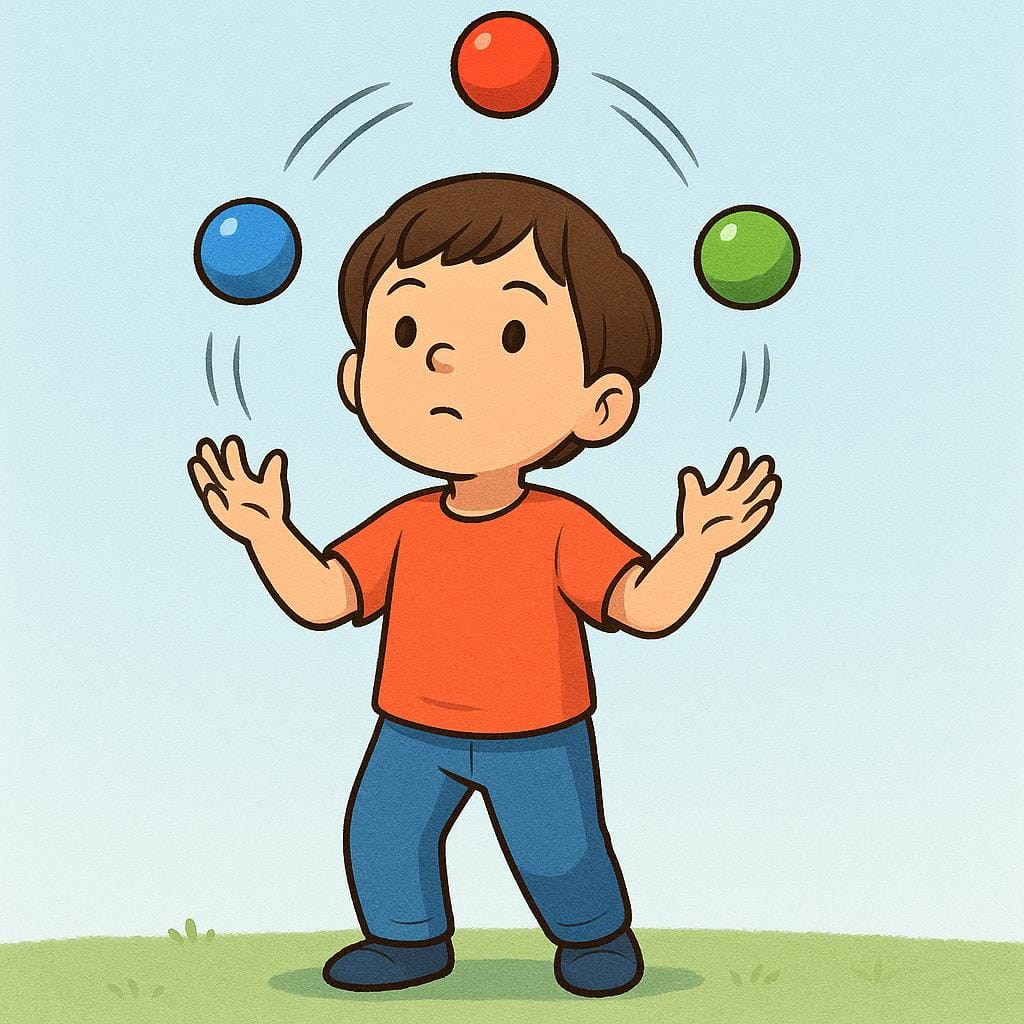
The most common Spanish word for “practicing” is “practicando” — use this word when referring to the act of actively working on and improving a skill through repetition, like learning a language or a musical instrument.



practicando
prak-ti-KAN-dopɾaktiˈkando
Examples
Estoy practicando mi pronunciación todos los días.
I am practicing my pronunciation every day.
Mi hermana está practicando la natación para la competencia.
My sister is practicing swimming for the competition.
Practicando con constancia, verás resultados rápidos.
By practicing consistently, you will see fast results. (Here, it means 'By means of practicing')
The Continuous Action Form
In Spanish, we use the verb 'estar' (to be) followed by 'practicando' to say that the action is happening right now, just like the '-ing' form in English. (E.g., Estoy practicando = I am practicing.)
Function as an Adverb
This form can also explain HOW something is done, or WHEN. For example: 'Practicando, lo lograrás' means 'By practicing, you will achieve it.'
Using 'Ser' instead of 'Estar'
Mistake: “Soy practicando.”
Correction: The correct verb is always 'estar' when talking about an action happening in the moment: 'Estoy practicando.' (I am practicing.)
entrenando
en-treh-NAN-dohentɾeˈnando

Examples
Estoy entrenando para el maratón de la próxima semana.
I am training for the marathon next week.
Llevamos tres horas entrenando en la cancha.
We have been practicing on the court for three hours.
Ella está entrenando a los nuevos empleados.
She is training the new employees.
The '-ando' ending
In Spanish, the '-ando' ending is just like the English '-ing' ending for 'ar' verbs. It shows that the action is happening right now.
Pairing with 'Estar'
To say 'I am training,' you must use the verb 'estar' (to be) followed by 'entrenando.' Example: 'Estoy entrenando.'
Don't use as a noun
Mistake: “Me gusta el entrenando.”
Correction: Me gusta el entrenamiento. Use 'entrenamiento' for the noun (the workout) and 'entrenando' only for the action.
militante
mee-lee-TAHN-tehmiliˈtante

Examples
Él es un católico militante.
He is a practicing/active Catholic.
Tiene una actitud militante contra la injusticia.
She has an active/combative stance against injustice.
Su postura militante le ha traído algunos problemas.
His activist-like stance has brought him some problems.
Gender-Neutral Adjective
Adjectives ending in -e don't change for gender. You can say 'un hombre militante' or 'una mujer militante'.
Practicing a Skill vs. Training for an Event
Related Translations
Learn Spanish with Inklingo
Interactive stories, personalized learning, and more.