How to Say "precious" in Spanish
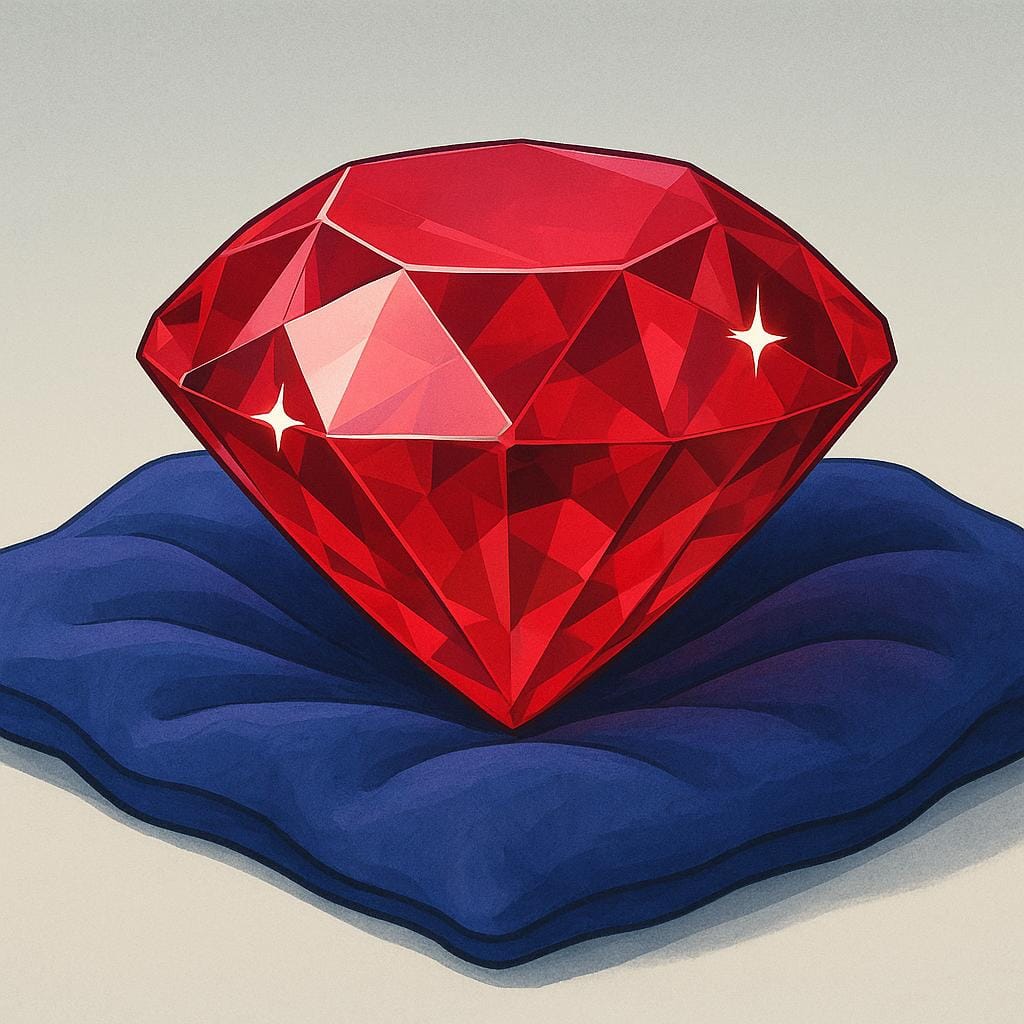
The most common Spanish word for “precious” is “precioso” — use 'precioso' when referring to something that is literally of great value or worth, especially for physical objects like jewels or beautiful items.
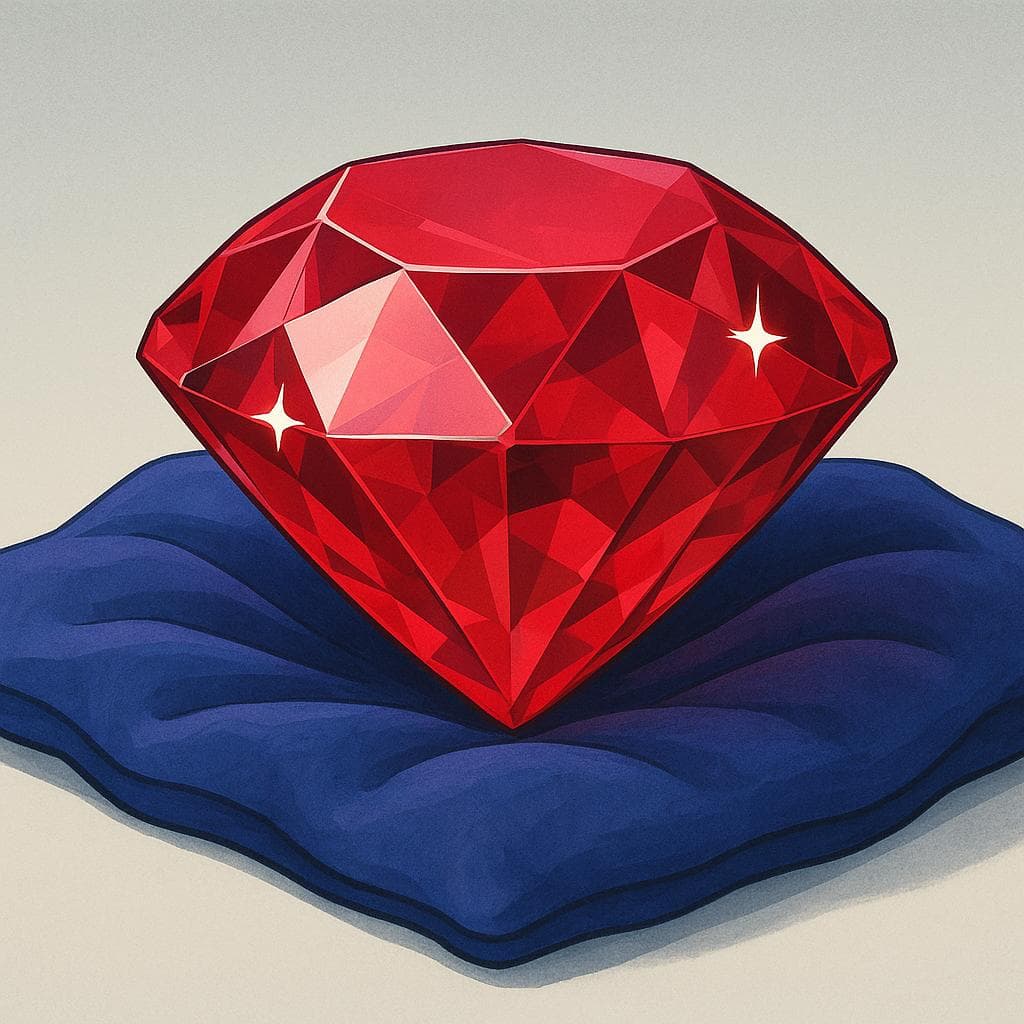


precioso
preh-SYOH-sohpɾeˈθjoso
Examples
El collar de mi abuela tiene un valor precioso.
My grandmother's necklace has precious value.
El anillo tiene piedras preciosas, como diamantes.
The ring has precious stones, like diamonds.
El tiempo que pasamos juntos es precioso e irrecuperable.
The time we spend together is precious and irreplaceable.
Material vs. Aesthetic Value
In this sense, 'precioso' emphasizes the high material worth (like gold or gems) or the great personal value (like time or memories), moving beyond simple physical beauty.
valioso
vah-lee-OH-sohbaˈljo.so
Examples
Tu consejo es muy valioso para mí.
Your advice is very valuable to me.
Encontré un reloj muy valioso en la tienda de antigüedades.
I found a very valuable watch in the antique shop.
Este diamante es la joya más valiosa de la colección.
This diamond is the most valuable jewel in the collection.
Sus posesiones más valiosas están guardadas en la caja fuerte.
His most valuable possessions are kept in the safe.
Adjective Agreement (The Basics)
Since 'valioso' is an adjective, it must change its ending to match the thing it describes. Use '-a' for feminine words (valiosa), '-os' for masculine plural (valiosos), and '-as' for feminine plural (valiosas).
Describing Abstract Nouns
This meaning is often used with abstract things like 'tiempo' (time), 'esfuerzo' (effort), 'opinión' (opinion), and 'amistad' (friendship). It works the same way as the first meaning, ensuring the ending matches the abstract noun.
Forgetting Gender Change
Mistake: “La casa valioso (Incorrect)”
Correction: La casa valiosa (Correct). Remember 'casa' is feminine, so the adjective must end in '-a'.
preciado
preh-syah-dohpɾeˈsjaðo

Examples
El aire limpio es un bien preciado en las ciudades grandes.
Clean air is a precious commodity in large cities.
El agua es el recurso más preciado de esta región.
Water is the most precious resource in this region.
Guardo esta carta como mi tesoro más preciado.
I keep this letter as my most prized treasure.
La libertad es el bien más preciado del ser humano.
Freedom is the most valued asset of a human being.
Matching the Noun
This word changes its ending based on what you are describing. Use 'preciado' for masculine items (el reloj preciado) and 'preciada' for feminine items (la joya preciada).
Adding Emphasis
While it usually comes after the item you describe, putting it before the noun (mi preciado reloj) makes it sound more poetic or emphasizes your emotional connection to it.
Confusing with 'Precioso'
Mistake: “Using 'preciado' to mean something is physically beautiful.”
Correction: Use 'precioso' for 'beautiful' or 'gorgeous.' Use 'preciado' for 'prized' or 'valuable.'
caro
káh-rohˈkaɾo

Examples
Mi más caro anhelo es la paz mundial.
My dearest longing is world peace.
Mi más caro deseo es que volvamos a vernos pronto.
My dearest wish is that we see each other again soon.
Cara amiga, espero que esta carta te encuentre bien.
Dear friend, I hope this letter finds you well.
Ella guarda un recuerdo caro de su infancia.
She keeps a precious memory of her childhood.
Position Change
When 'caro' is placed before the noun (e.g., 'mi cara familia'), it almost always means 'dear' or 'beloved' (emotional value). When placed after the noun (e.g., 'una cena cara'), it usually means 'expensive' (monetary value).
Distinguishing 'Precioso' and 'Valioso'
Related Translations
Learn Spanish with Inklingo
Interactive stories, personalized learning, and more.