How to Say "valuable" in Spanish
The most common Spanish word for “valuable” is “valioso” — use 'valioso' when referring to something that has significant worth, whether monetary, sentimental, or otherwise important.
valioso
vah-lee-OH-sohbaˈljo.so
Examples
Encontré un reloj muy valioso en la tienda de antigüedades.
I found a very valuable watch in the antique shop.
Este diamante es la joya más valiosa de la colección.
This diamond is the most valuable jewel in the collection.
Sus posesiones más valiosas están guardadas en la caja fuerte.
His most valuable possessions are kept in the safe.
Adjective Agreement (The Basics)
Since 'valioso' is an adjective, it must change its ending to match the thing it describes. Use '-a' for feminine words (valiosa), '-os' for masculine plural (valiosos), and '-as' for feminine plural (valiosas).
Forgetting Gender Change
Mistake: “La casa valioso (Incorrect)”
Correction: La casa valiosa (Correct). Remember 'casa' is feminine, so the adjective must end in '-a'.
costoso
kos-TO-sokosˈtoso

Examples
Ese reloj es muy costoso.
That watch is very expensive.
Vivir en el centro de la ciudad es muy costoso.
Living in the city center is very costly.
Mantener un coche deportivo puede ser sumamente costoso.
Maintaining a sports car can be extremely expensive.
Matching the Noun
Like most words that describe things in Spanish, this one changes its ending to match the gender of the item: use 'costoso' for masculine items (un libro costoso) and 'costosa' for feminine items (una casa costosa).
Positioning
You usually put 'costoso' after the noun it describes, such as 'un regalo costoso' (an expensive gift).
Confusing with 'Costo'
Mistake: “El libro es costo.”
Correction: El libro es costoso (or caro). 'Costo' is the noun meaning 'the cost', while 'costoso' is the describing word.
precioso
preh-SYOH-sohpɾeˈθjoso
Examples
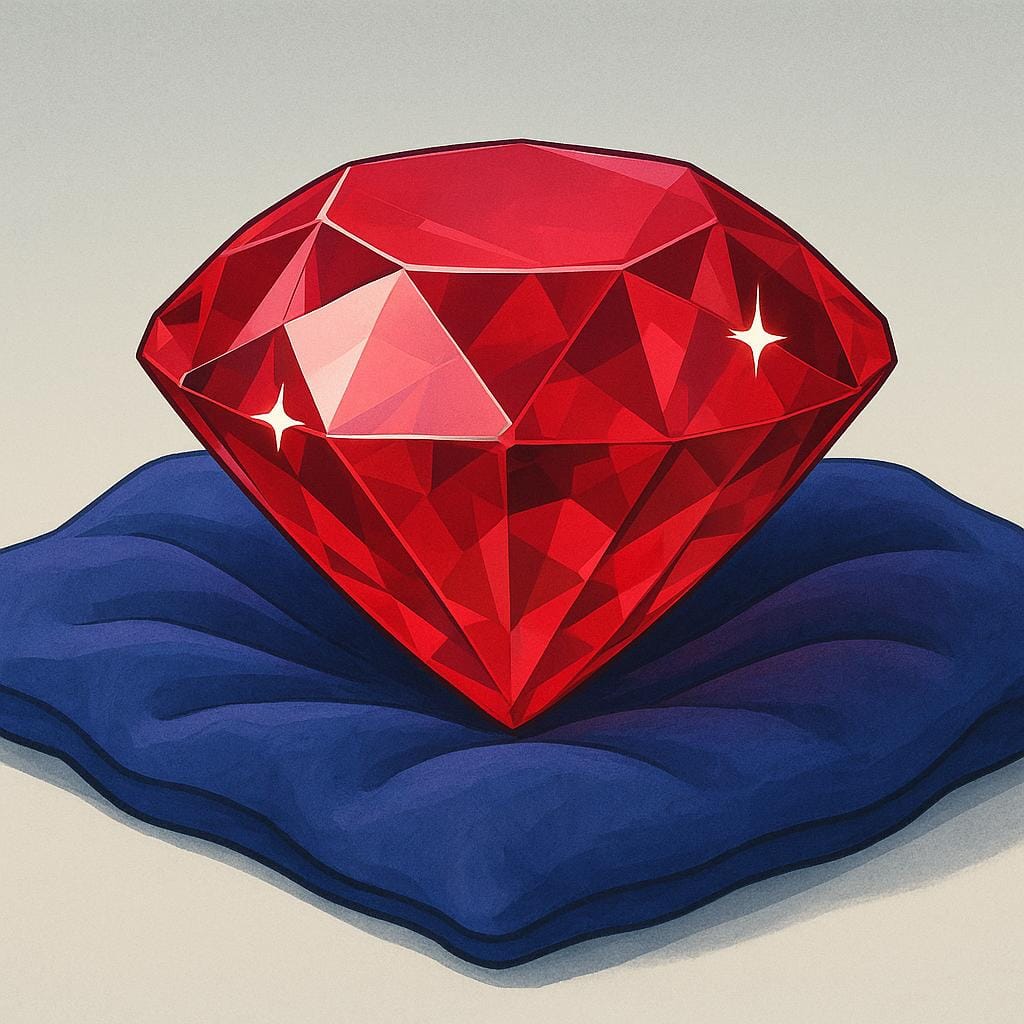
El anillo tiene piedras preciosas, como diamantes.
The ring has precious stones, like diamonds.
El tiempo que pasamos juntos es precioso e irrecuperable.
The time we spend together is precious and irreplaceable.
Material vs. Aesthetic Value
In this sense, 'precioso' emphasizes the high material worth (like gold or gems) or the great personal value (like time or memories), moving beyond simple physical beauty.
Valioso vs. Costoso
Related Translations
Learn Spanish with Inklingo
Interactive stories, personalized learning, and more.