How to Say "prints" in Spanish
The most common Spanish word for “prints” is “huellas” — use 'huellas' when referring to the physical marks or impressions left by something, such as footprints, fingerprints, or tire tracks.

huellas
WEY-yahssˈwe.ʝas
Examples
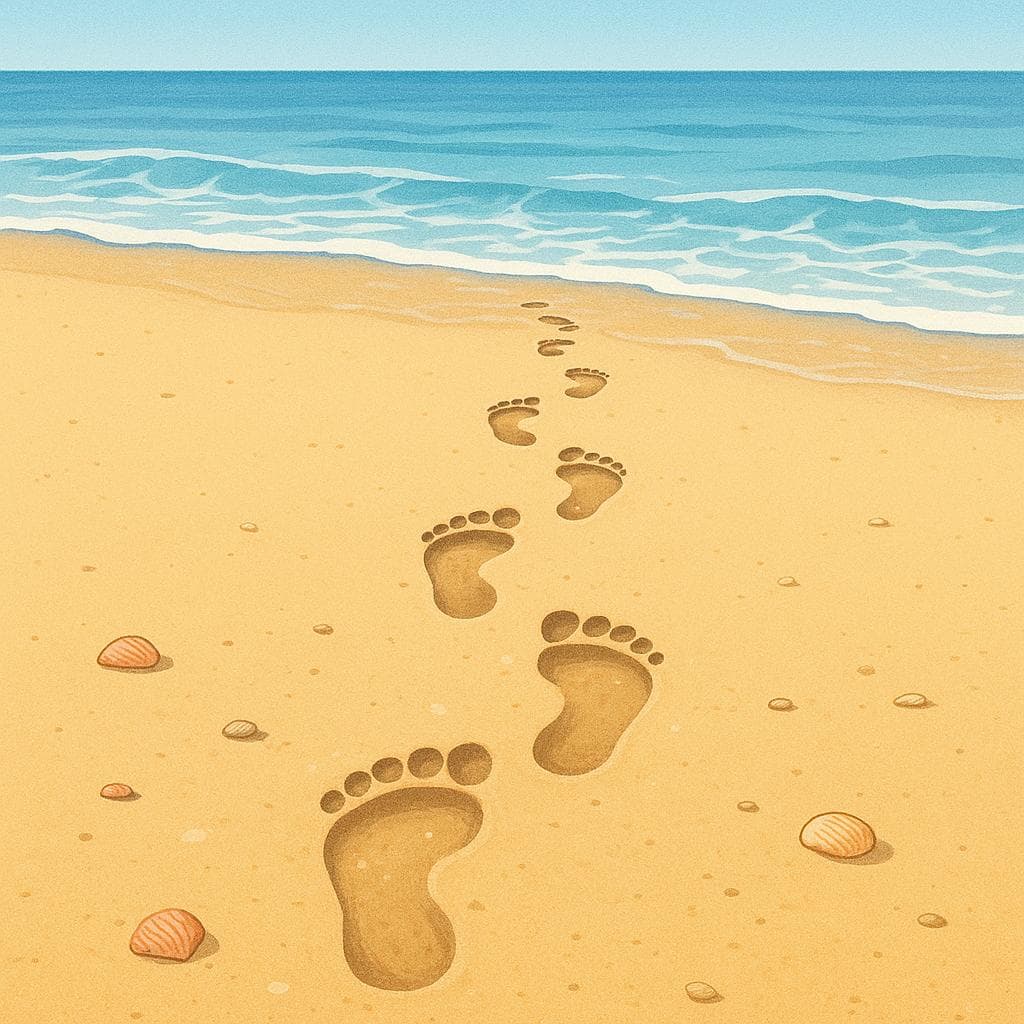
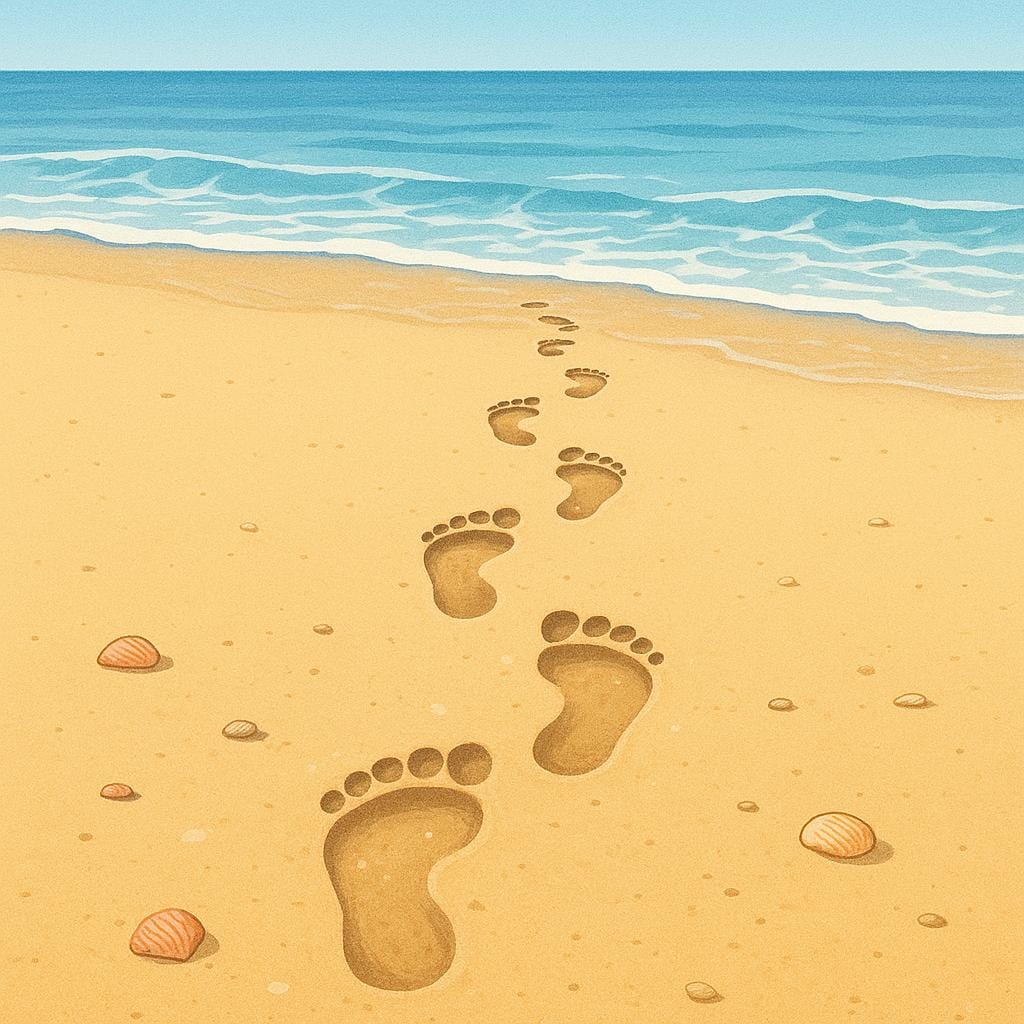
Las huellas en la arena demuestran que alguien caminó por aquí.
The footprints in the sand show that someone walked here.
El detective encontró huellas dactilares en el vaso.
The detective found fingerprints on the glass.
Las huellas de las ruedas son muy profundas en el barro.
The tire tracks are very deep in the mud.
Always Plural for Physical Evidence
Even if you are talking about the mark left by just one foot, Spanish usually prefers the plural form 'huellas' when referring to tracks or prints.
Sounding the 'H'
Mistake: “Hoo-eh-yahss”
Correction: Remember that the 'h' in Spanish is silent. Pronounce it starting with the 'u' sound: WEY-yahss.
estampa
es-TAM-pahesˈtampa

Examples
Él estampa su firma en el contrato.
He stamps his signature on the contract.
La máquina estampa el logo en las camisetas.
The machine prints the logo on the t-shirts.
Estampa el sello con cuidado.
Stamp the seal carefully.
Present Tense Pattern
The form 'estampa' is both the 'he/she' form and the command form for 'tú'. context tells you if it's a statement or an order.
Action vs. Result
Related Translations
Learn Spanish with Inklingo
Interactive stories, personalized learning, and more.