How to Say "remembers" in Spanish
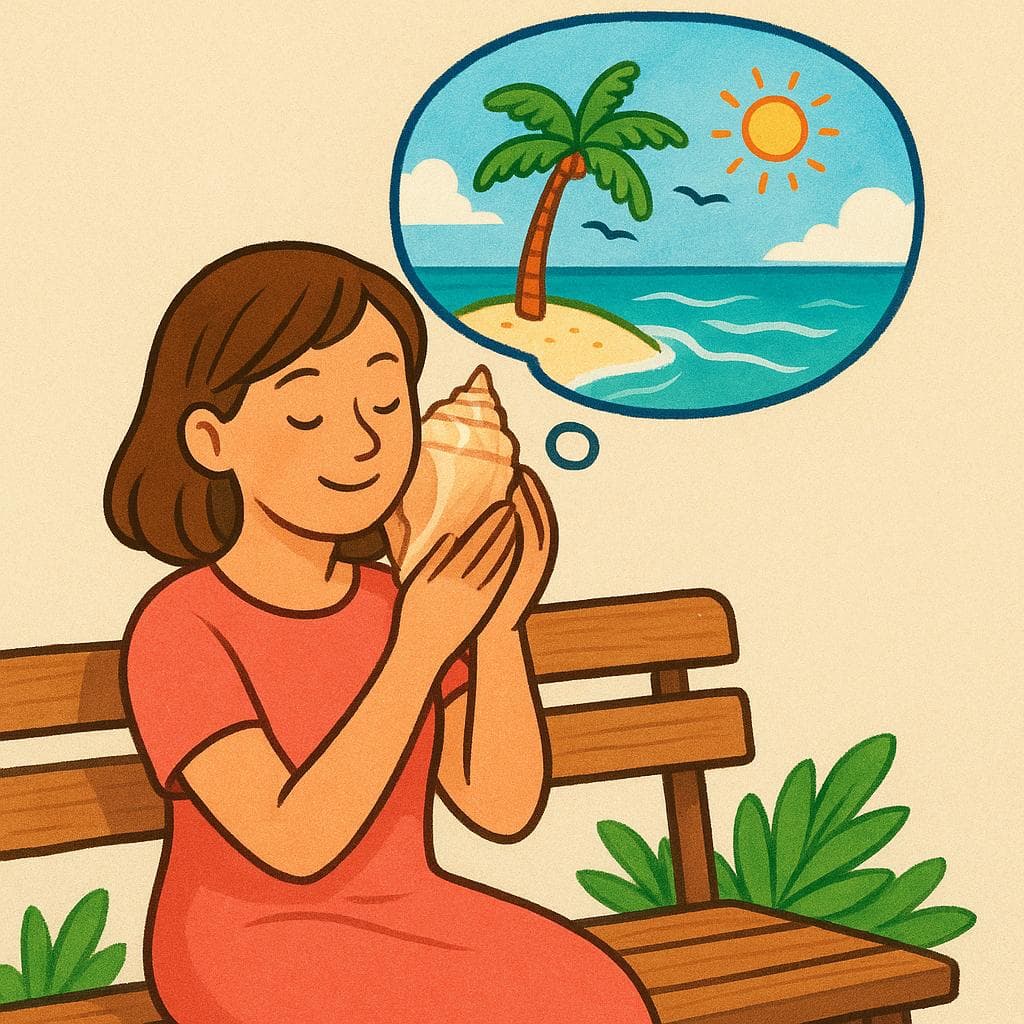
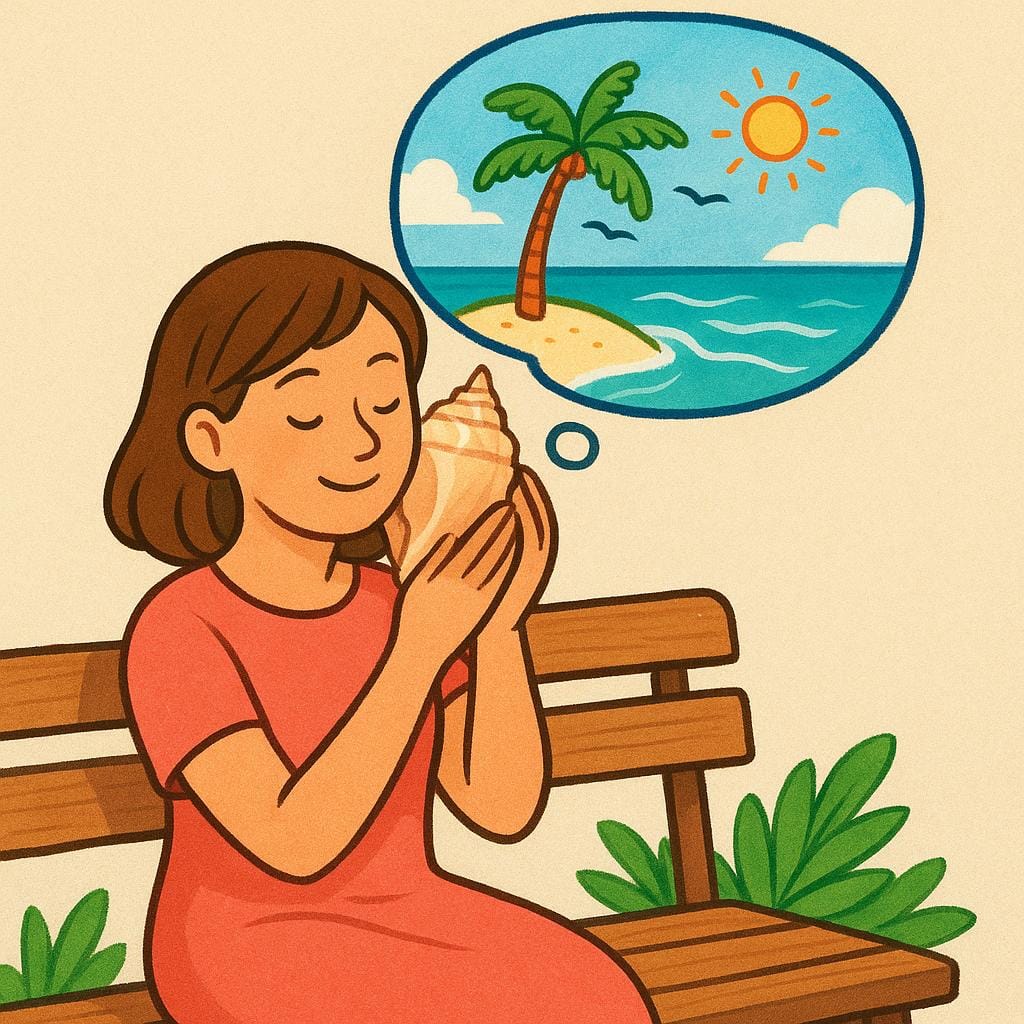
The most common Spanish word for “remembers” is “recuerda” — use 'recuerda' when someone is actively recalling or has a strong memory of a specific fact, event, or person.
recuerda
rreh-KWEHR-dahre'kweɾ.ða
Examples
Mi abuela siempre recuerda las historias de su juventud.
My grandmother always remembers the stories from her youth.
¿Usted recuerda mi nombre?
Do you (formal) remember my name?
Él no recuerda dónde puso las llaves.
He doesn't remember where he put the keys.
A 'Boot' Verb (o → ue)
The verb recordar changes its spelling in the present tense. The 'o' becomes 'ue' for most forms (yo, tú, él, ellos), but not for 'nosotros' or 'vosotros'. Think of the changed forms as being inside a 'boot' shape on the conjugation chart.
`Recordar` vs. `Acordarse`
Both mean 'to remember.' Recordar is simple: 'Yo recuerdo tu nombre' (I remember your name). Acordarse is a bit different; it needs a word like 'me' and often uses 'de': 'Yo me acuerdo de tu nombre.' They are often used interchangeably.
Forgetting the Stem Change
Mistake: “Él recorda todo.”
Correction: Él recuerda todo. The 'o' changes to 'ue' for the 'él/ella/usted' form.
acuerda
ah-KWEHR-dahaˈkweɾða
Examples
Mi abuela no se acuerda de dónde puso las llaves.
My grandmother doesn't remember where she put the keys.
¿Usted se acuerda de nuestro primer viaje?
Do you (formal) remember our first trip?
El perro se acuerda de la casa incluso después de un año.
The dog remembers the house even after a year.
Always Use the Reflexive Pronoun
When 'acuerda' means 'to remember,' it must always be used with the pronoun 'se' (or me/te/nos/os) before the verb: 'Él se acuerda.' This is different from the non-reflexive verb 'recordar'.
Required Preposition 'de'
When saying what is remembered, 'acordarse' almost always uses the little word 'de' (of/about) right after it: 'Se acuerda de la canción.'
Forgetting the 'se'
Mistake: “Él acuerda su cumpleaños.”
Correction: Él *se* acuerda de su cumpleaños. (If you omit 'se', it means 'He agrees to his birthday.')
Remembering to use 'acuerda' correctly
Learn Spanish with Inklingo
Interactive stories, personalized learning, and more.