How to Say "sap" in Spanish
The most common Spanish word for “sap” is “zumo” — use 'zumo' when referring to the sweet liquid extracted from fruits or vegetables, commonly consumed as a beverage.
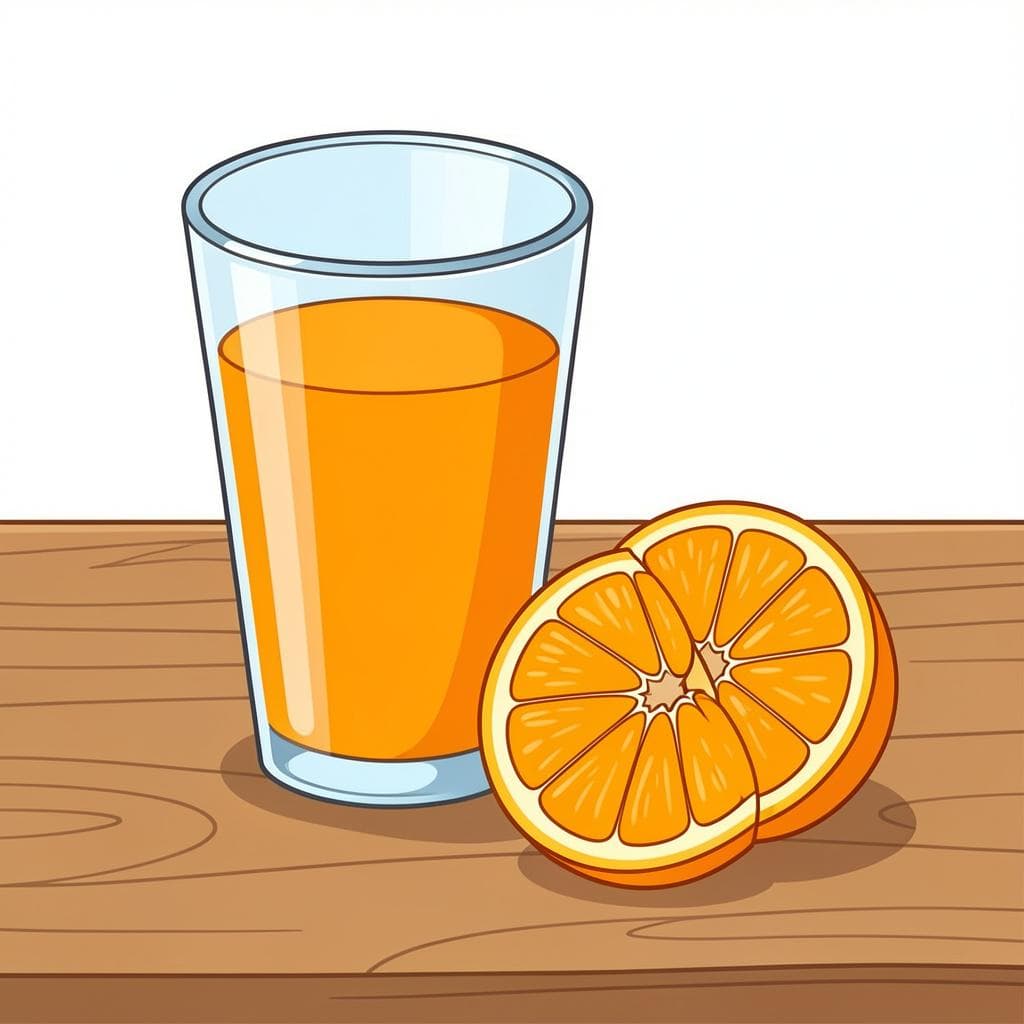

zumo
THOO-mohˈθumo
Examples
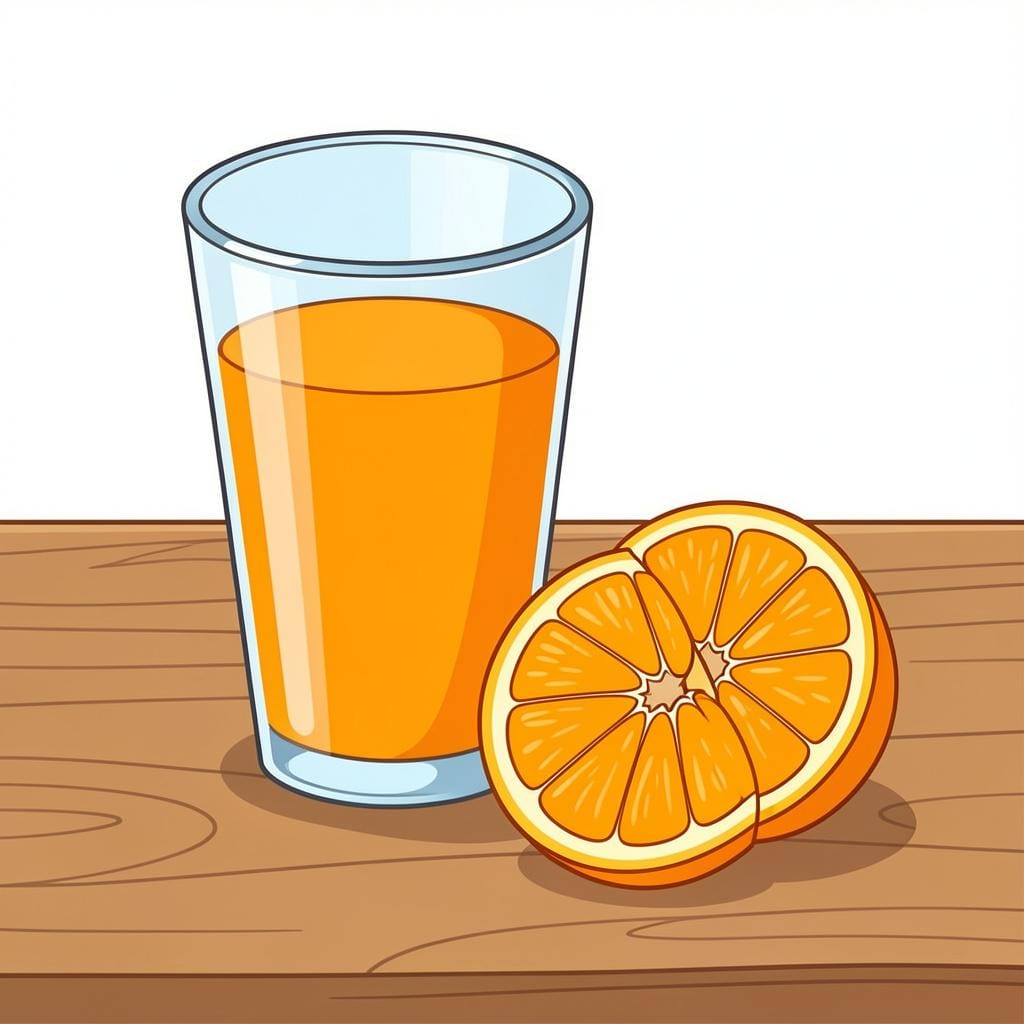
Me gusta tomar un zumo de naranja por la mañana.
I like to have an orange juice in the morning.
Quiero un zumo de naranja recién exprimido.
I want a freshly squeezed orange juice.
¿Prefieres zumo de manzana o de piña?
Do you prefer apple or pineapple juice?
Beber mucho zumo natural es muy saludable.
Drinking a lot of natural juice is very healthy.
Masculine Noun Pattern
Since this word ends in '-o', it is masculine. Always use it with 'el' or 'un'.
Zumo vs. Jugo
Mistake: “Using 'zumo' in Mexico or Argentina.”
Correction: In most of Latin America, use 'jugo'. If you say 'zumo' there, people will know you learned Spanish from Spain!
jugo
HOO-goˈxu.ɣo

Examples
El jugo de la carne es esencial para una buena salsa.
The meat's juices are essential for a good sauce.
El chef usó el jugo de la carne para hacer una salsa deliciosa.
The chef used the meat's gravy/juices to make a delicious sauce.
Tienes que sacarle el jugo a la experiencia universitaria.
You have to get the most out (literally: 'take the juice out') of the university experience.
Figurative Use
When used figuratively, 'jugo' often suggests extracting the core value or benefit from a situation, much like squeezing a fruit.
Juice vs. Sap
Related Translations
Learn Spanish with Inklingo
Interactive stories, personalized learning, and more.