How to Say "juice" in Spanish
The most common Spanish word for “juice” is “jugo” — use 'jugo' for the most common, everyday fruit or vegetable liquid, like what you'd drink at breakfast.
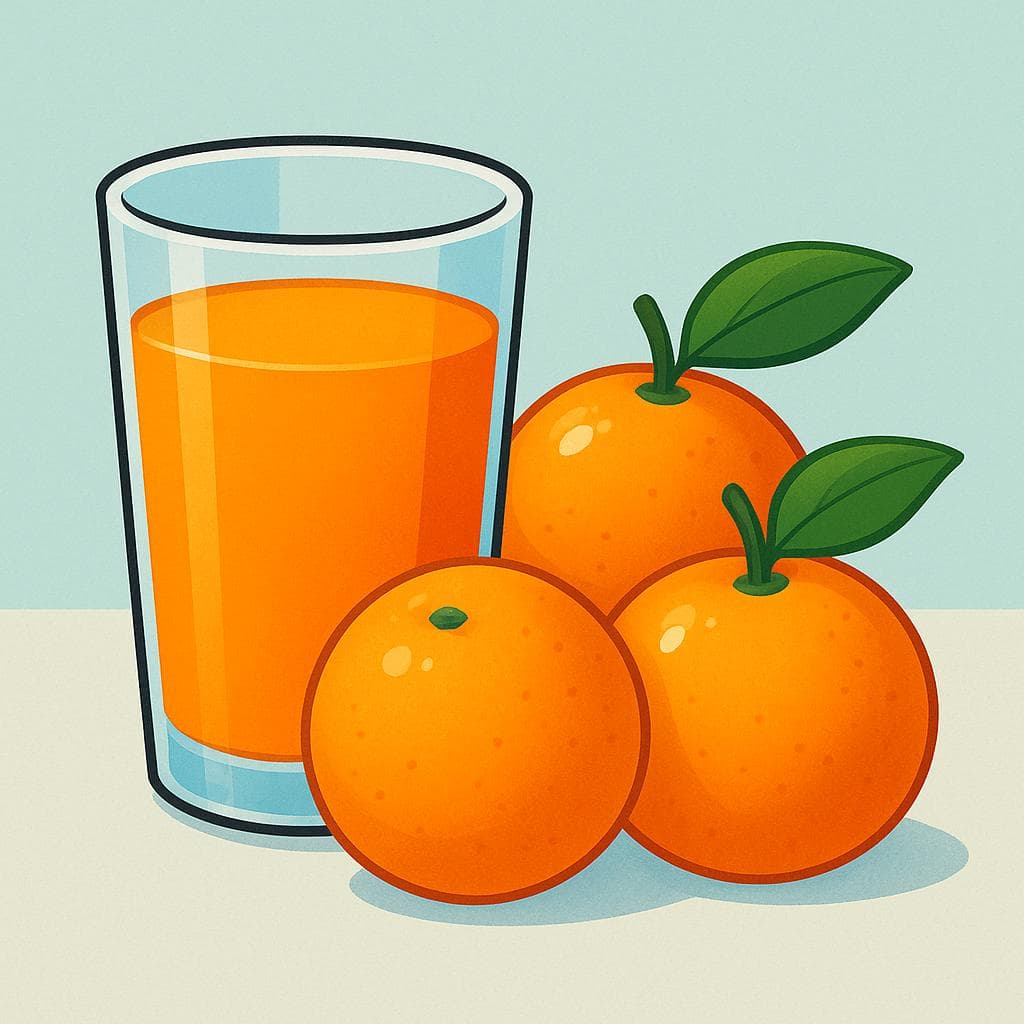
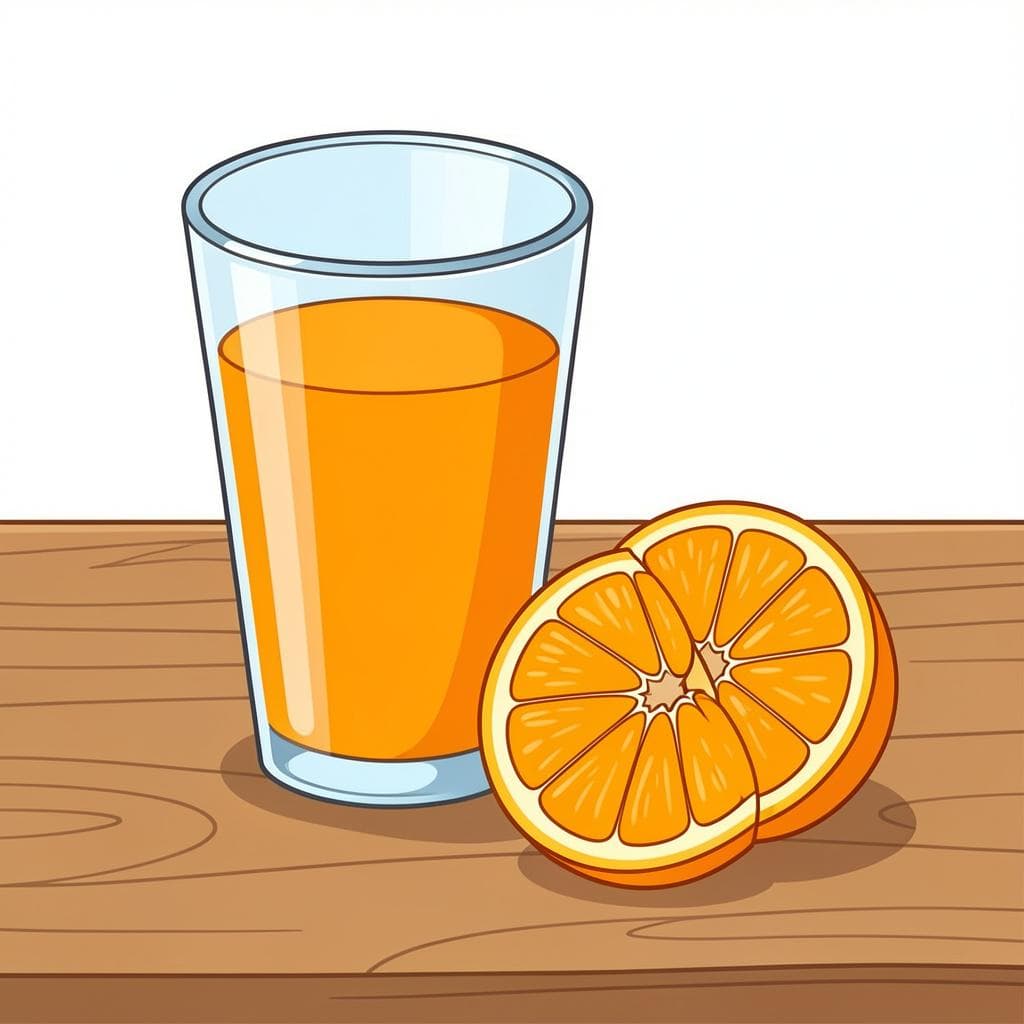


jugo
HOO-goˈxu.ɣo
Examples
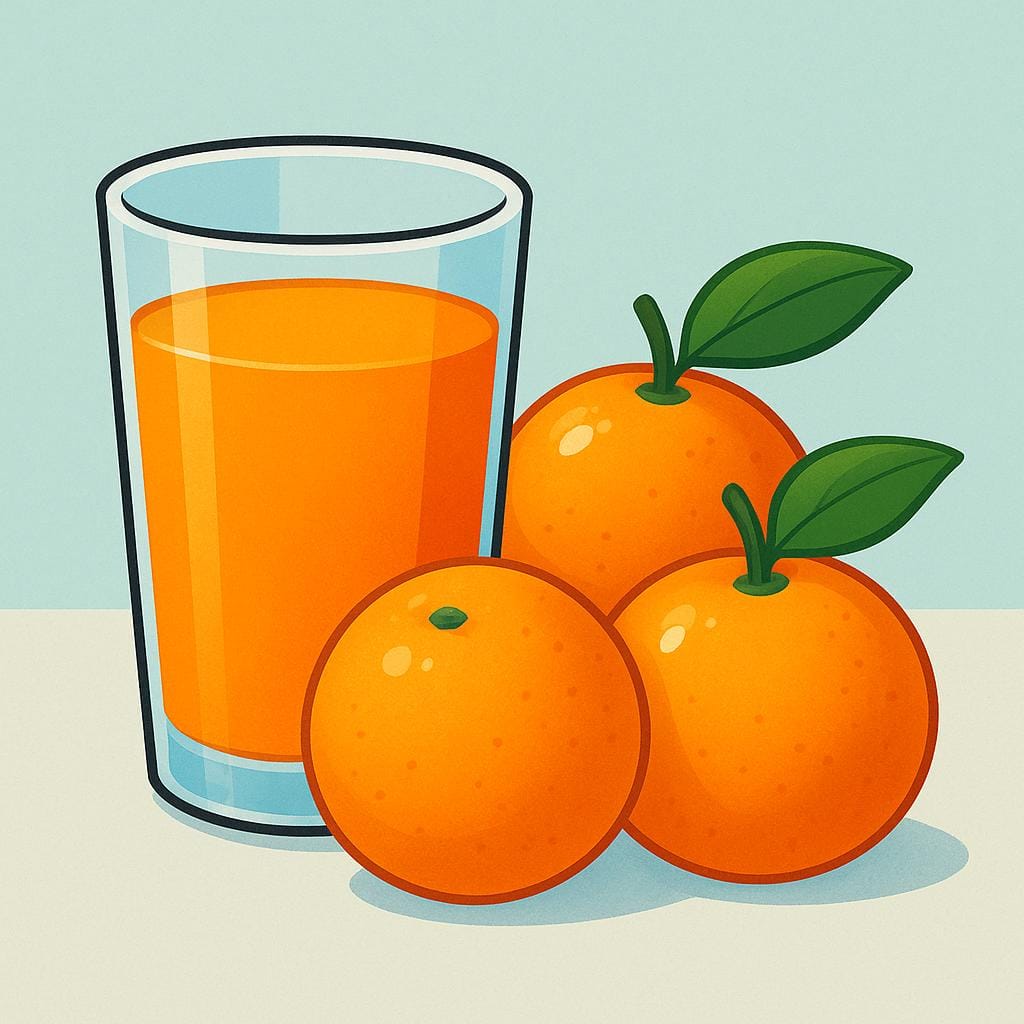
¿Quieres un vaso de jugo de naranja?
Do you want a glass of orange juice?
Este jugo verde es muy saludable para empezar el día.
This green juice is very healthy to start the day.
Prefiero el jugo natural al embotellado.
I prefer fresh juice to bottled juice.
Always Masculine
Even though 'jugo' ends in 'o', remember it is always a masculine noun, meaning you use 'el' or 'un' before it: 'el jugo'.
zumo
THOO-mohˈθumo
Examples
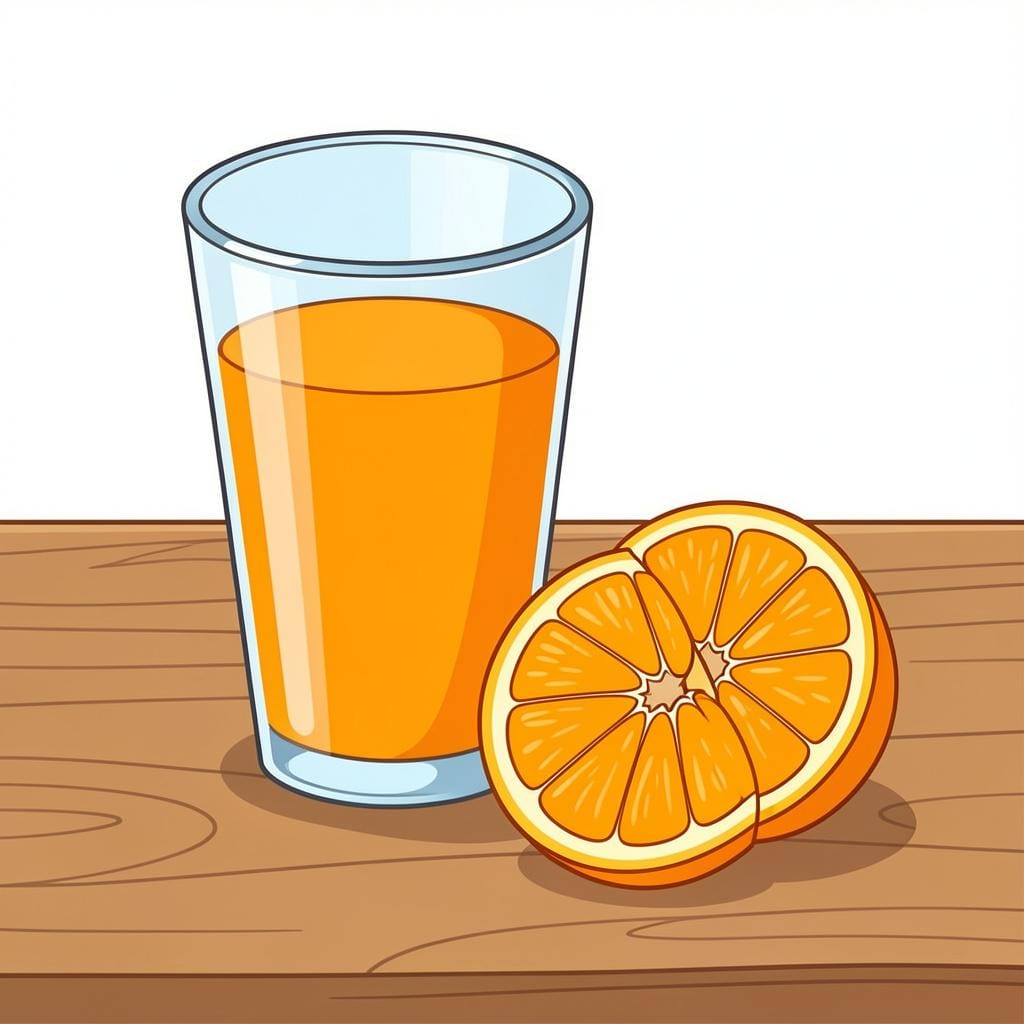
Quiero un zumo de naranja recién exprimido.
I want a freshly squeezed orange juice.
¿Prefieres zumo de manzana o de piña?
Do you prefer apple or pineapple juice?
Beber mucho zumo natural es muy saludable.
Drinking a lot of natural juice is very healthy.
Masculine Noun Pattern
Since this word ends in '-o', it is masculine. Always use it with 'el' or 'un'.
Zumo vs. Jugo
Mistake: “Using 'zumo' in Mexico or Argentina.”
Correction: In most of Latin America, use 'jugo'. If you say 'zumo' there, people will know you learned Spanish from Spain!
caldo
KAHL-dohˈkal.do
Examples
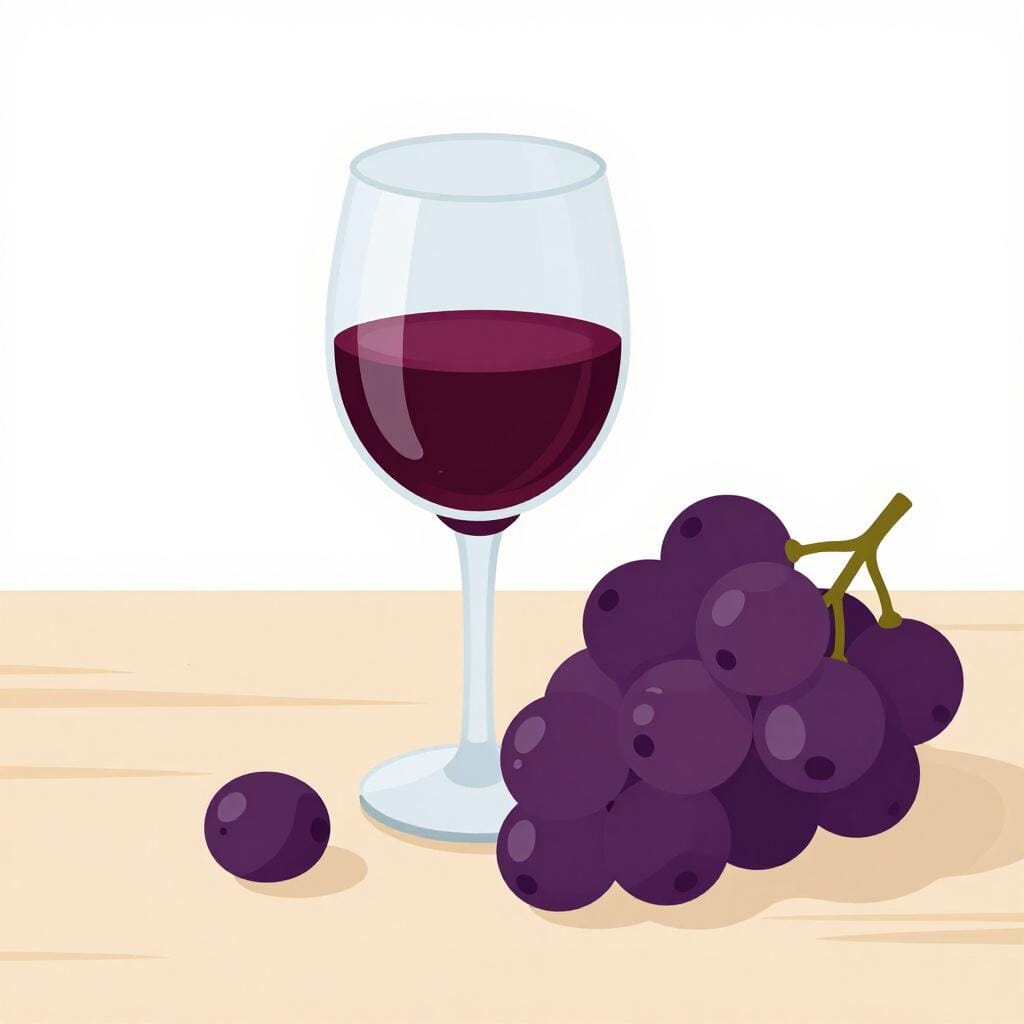
Esta región es famosa por sus excelentes caldos.
This region is famous for its excellent wines.
sustancia
soos-TAHN-syahsusˈtansja

Examples
Este caldo tiene mucha sustancia.
This broth is very rich and nutritious.
Jugo vs. Zumo
Learn Spanish with Inklingo
Interactive stories, personalized learning, and more.