How to Say "played" in Spanish
The most common Spanish word for “played” is “jugó” — use 'jugó' for a specific, completed past action of playing a game, sport, or other activity, usually referring to a single instance or a completed period.


Examples
Él jugó al tenis toda la tarde.
He played tennis all afternoon.
jugado
hoo-GAH-dohxuˈɣaðo

Examples
Hemos jugado a las cartas toda la tarde.
We have played cards all afternoon.
Ella ya había jugado ese videojuego antes.
She had already played that video game before.
El partido jugado ayer fue el mejor de la temporada.
The game played yesterday was the best of the season.
No te preocupes por él, es un hombre muy jugado y sabe lo que hace.
Don't worry about him, he's a very experienced/street-smart man and knows what he's doing.
Forming Perfect Tenses
This word is the building block for actions completed in the past. You must always use a form of the verb 'haber' (to have) right before 'jugado' to make sense: 'yo he jugado', 'tú has jugado', etc.
Adjective Agreement
When 'jugado' acts as an adjective, it must change its ending to match the noun it describes: 'el partido jugado' (masculine singular), 'las cartas jugadas' (feminine plural).
Using 'Ser' or 'Estar'
Mistake: “Los niños son jugado.”
Correction: The participle 'jugado' is almost always used with 'haber' to form tenses, never 'ser' or 'estar' in this context. Correction: 'Los niños han jugado'.
Mixing Adjective and Participle
Mistake: “La mesa está jugado.”
Correction: If you are using it as an adjective with 'estar' or 'ser', it must agree in gender and number. Correction: 'La mesa está jugada' (feminine singular).
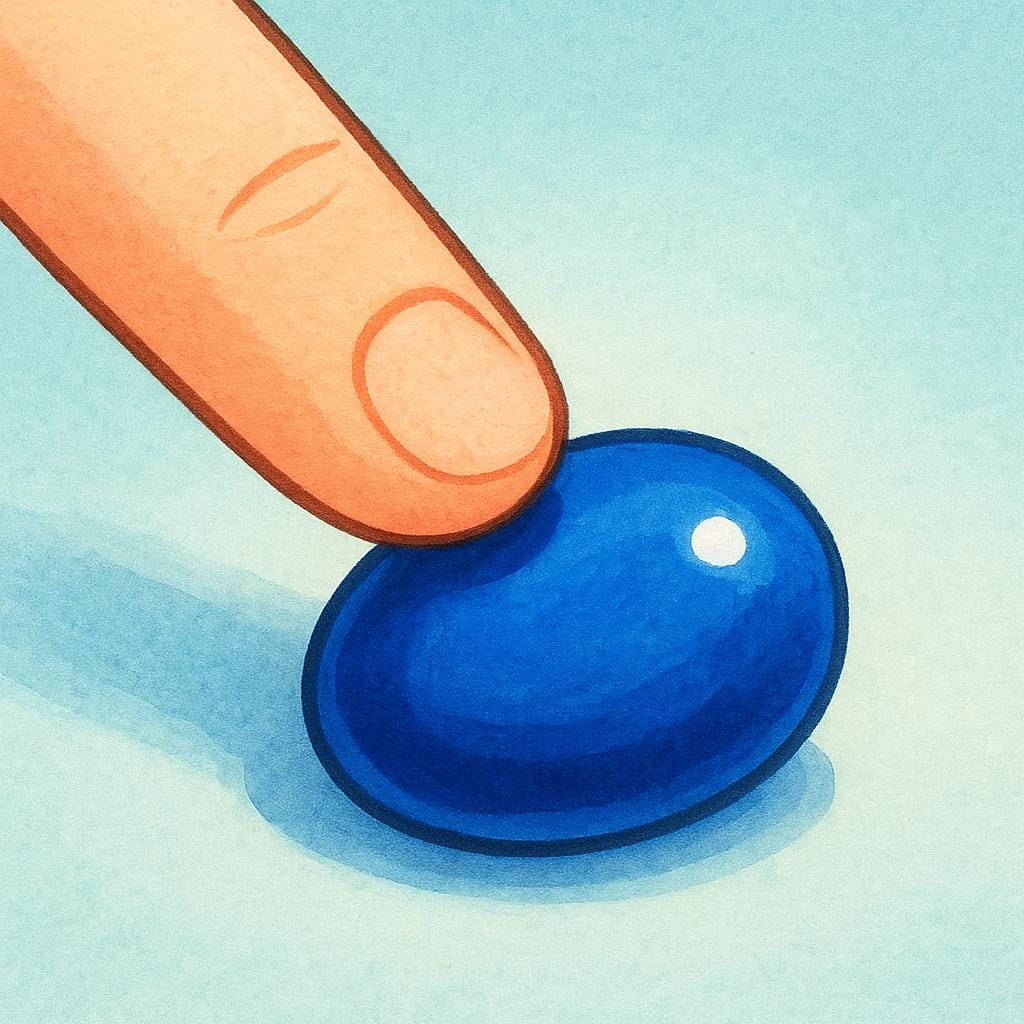
tocado
toh-KAH-dohtoˈkaðo
Examples
Nunca he tocado esa campana.
I have never rung that bell.
Ella había tocado el piano desde niña.
She had played the piano since she was a child.
Forming Perfect Tenses
This form ('tocado') is always used with the verb 'haber' (to have) to create perfect tenses, such as the present perfect ('he tocado', I have touched).
Using 'Estar' instead of 'Haber'
Mistake: “Yo estoy tocado el violín.”
Correction: Yo he tocado el violín. Remember, 'tocado' needs 'haber' for completed actions, not 'estar'.
Examples
Toqué la batería en una banda de rock hace diez años.
I played the drums in a rock band ten years ago.
Distinguishing 'jugó' from 'jugado'
Learn Spanish with Inklingo
Interactive stories, personalized learning, and more.