How to Say "scores" in Spanish
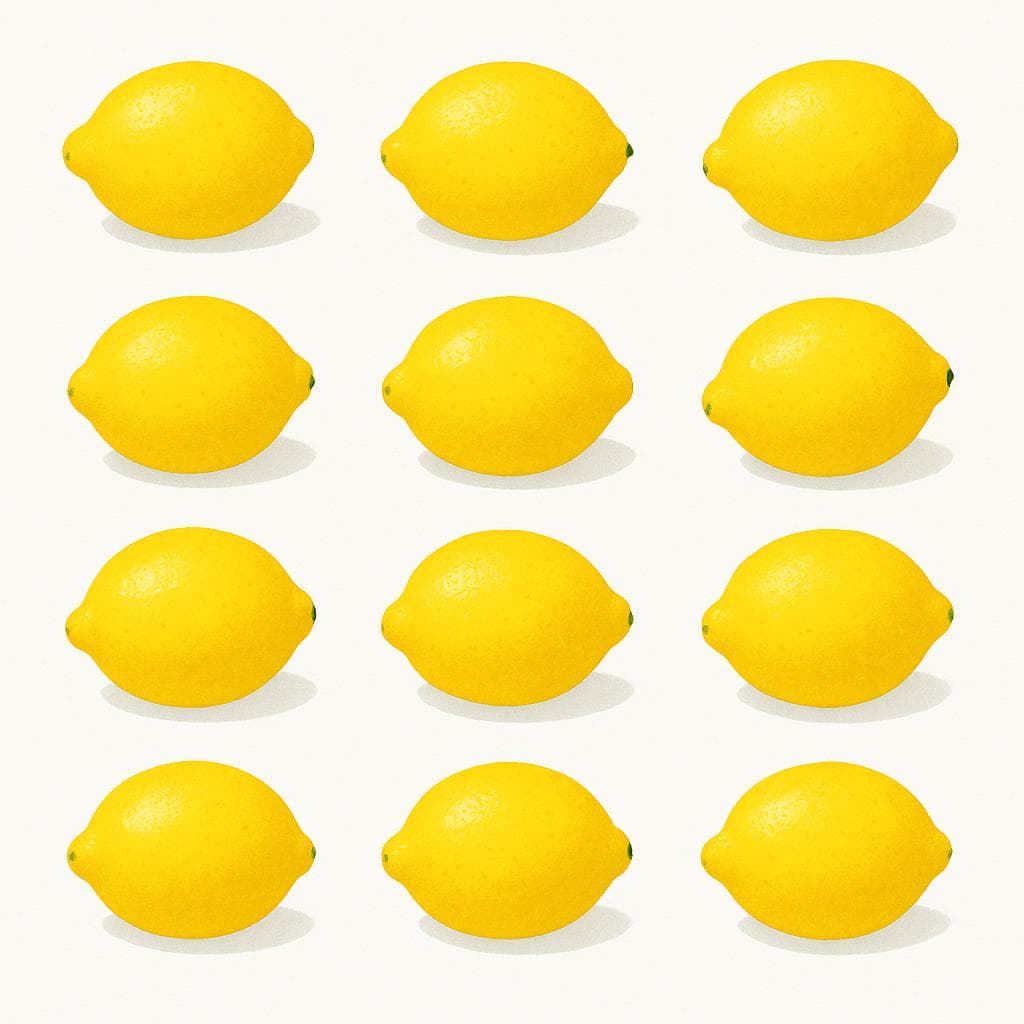
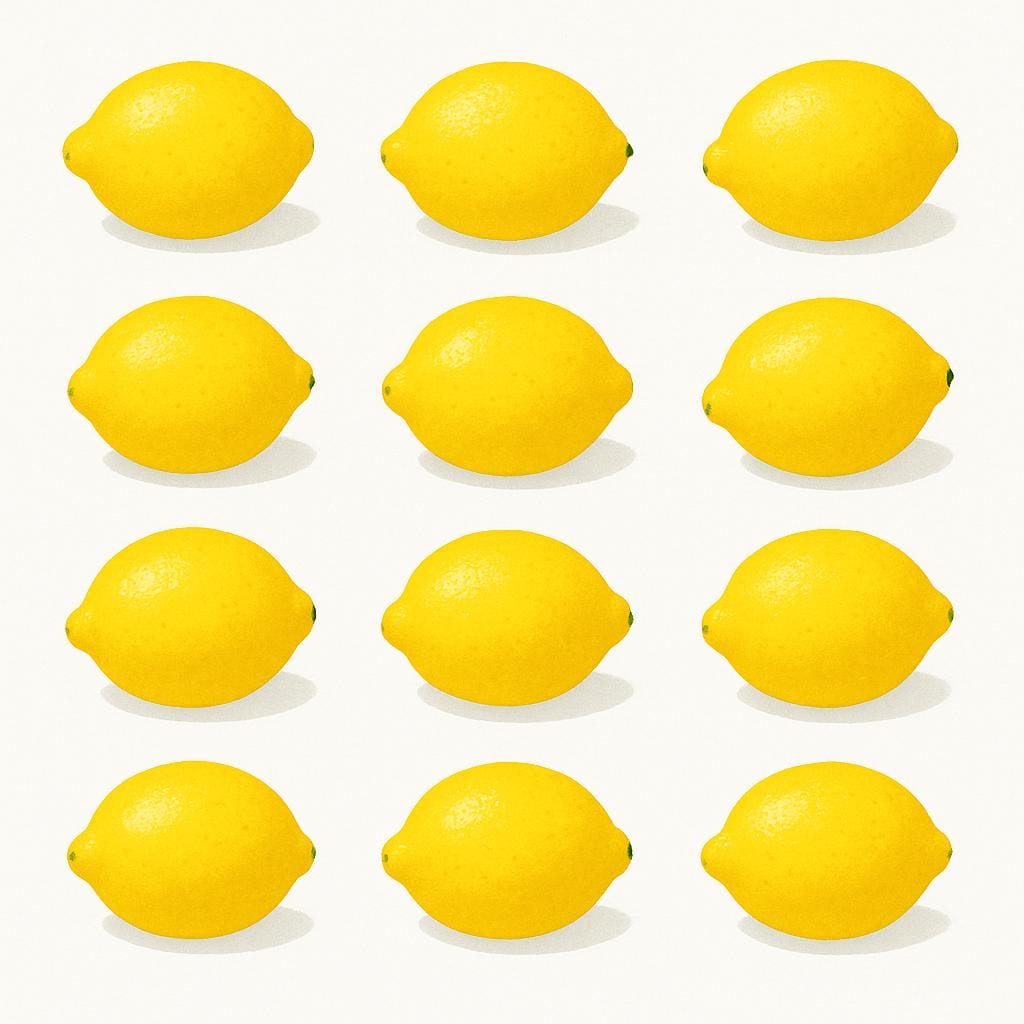
The most common Spanish word for “scores” is “docena” — use 'docena' when 'scores' is used informally to mean 'a lot' or 'many' of something, not necessarily a literal count of twelve.


docena
doh-SEH-nahdoˈse.na
Examples
Necesito una docena de huevos para hacer el pastel.
I need a dozen eggs to make the cake.
Solo queremos media docena de panecillos, por favor.
We only want half a dozen rolls, please.
Vimos docenas de pájaros volando hacia el sur.
We saw dozens of birds flying south.
Feminine Noun Rule
Even though it refers to the number twelve (doce), 'docena' is a feminine noun, so you must use feminine articles and adjectives with it (e.g., 'una docena,' 'la docena').
Using 'doce' instead of 'docena'
Mistake: “Compré doce de huevos. (I bought twelve of eggs.)”
Correction: Compré una docena de huevos. ('Docena' is the collective noun for a group of twelve, like how we use 'dozen' in English.)
resultados
rresul-TAH-dohsre.sulˈt̪a.ðos

Examples
Necesitamos esperar los resultados del laboratorio antes de decidir.
We need to wait for the laboratory results before deciding.
Ella obtuvo excelentes resultados en su examen final.
She achieved excellent scores (results) on her final exam.
Los resultados de las elecciones se anunciarán a medianoche.
The election outcomes (results) will be announced at midnight.
It's Plural and Masculine
This word is the plural form of 'el resultado' (the result). Because it is masculine, any describing words (adjectives or articles) must also be plural and masculine: los buenos resultados.
Confusing Noun and Verb
Mistake: “Using 'resultados' when you mean the action of resulting, e.g., 'El experimento resultados bien.'”
Correction: Use the verb 'resultar' instead: 'El experimento *resultó* bien' (The experiment turned out well).
marcas
MAHR-kahsˈmaɾkas
Examples
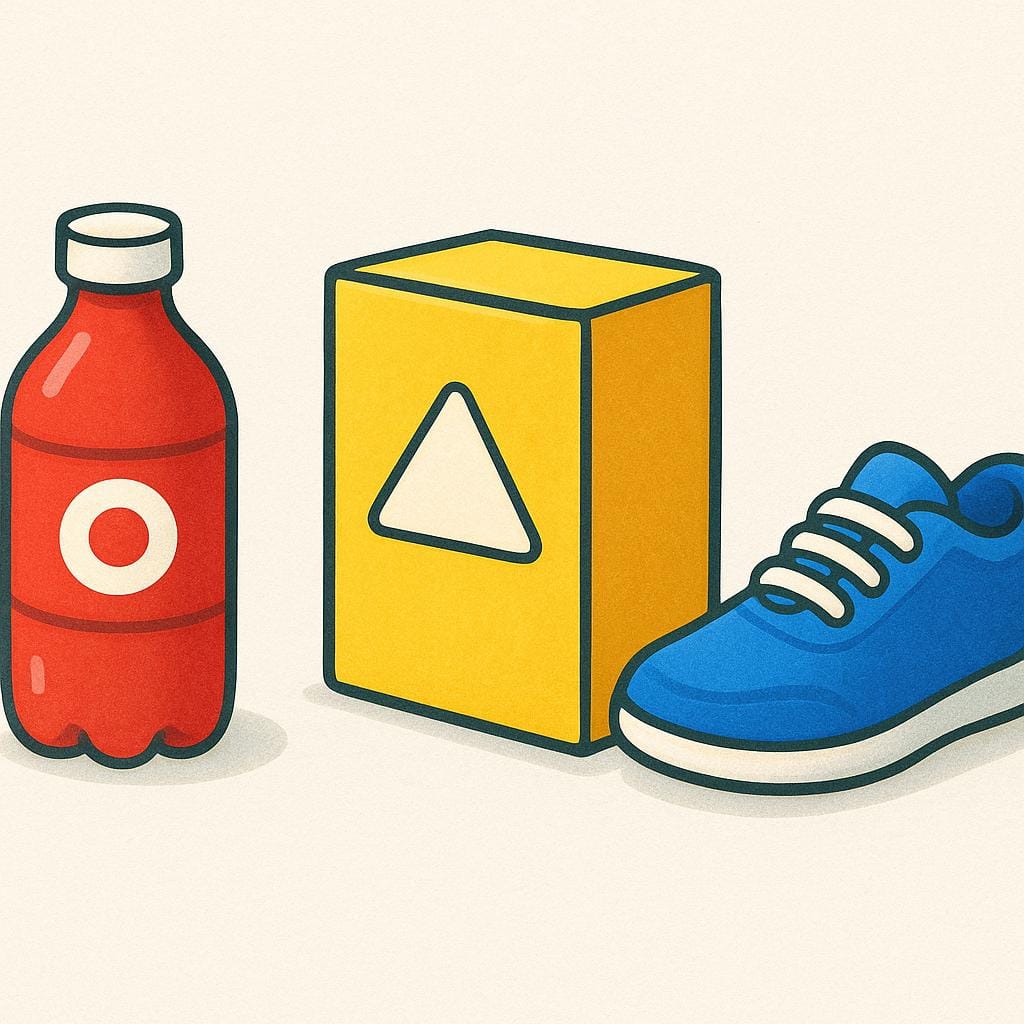
Hay muchas marcas de coches en el mundo.
There are many car brands in the world.
Las marcas de zapatos se borraron de la arena.
The shoe marks were erased from the sand.
El equipo rompió todas las marcas en la natación.
The team broke all the records (marks) in swimming.
Gender and Number
As the plural form of the feminine noun 'marca,' you must use feminine articles and adjectives with it (e.g., 'las buenas marcas').
Confusing Noun and Verb
Mistake: “Using 'marcas' (noun) when the verb 'tú marcas' is needed in a sentence.”
Correction: Remember the noun usually needs an article (las marcas), while the verb does not (tú marcas).
mete
MEH-tehˈme.te

Examples
El delantero mete el gol de la victoria en el último minuto.
The striker scores the winning goal in the last minute.
Si no mete esa canasta, pierden el partido.
If he doesn't score that basket, they lose the game.
Sports Specific
This meaning is an extension of the core idea (putting the ball into the net). It is used interchangeably with verbs like 'anotar' or 'marcar' when talking about scoring points or goals.
Scores: Quantity vs. Results
Related Translations
Learn Spanish with Inklingo
Interactive stories, personalized learning, and more.