How to Say "seemed" in Spanish
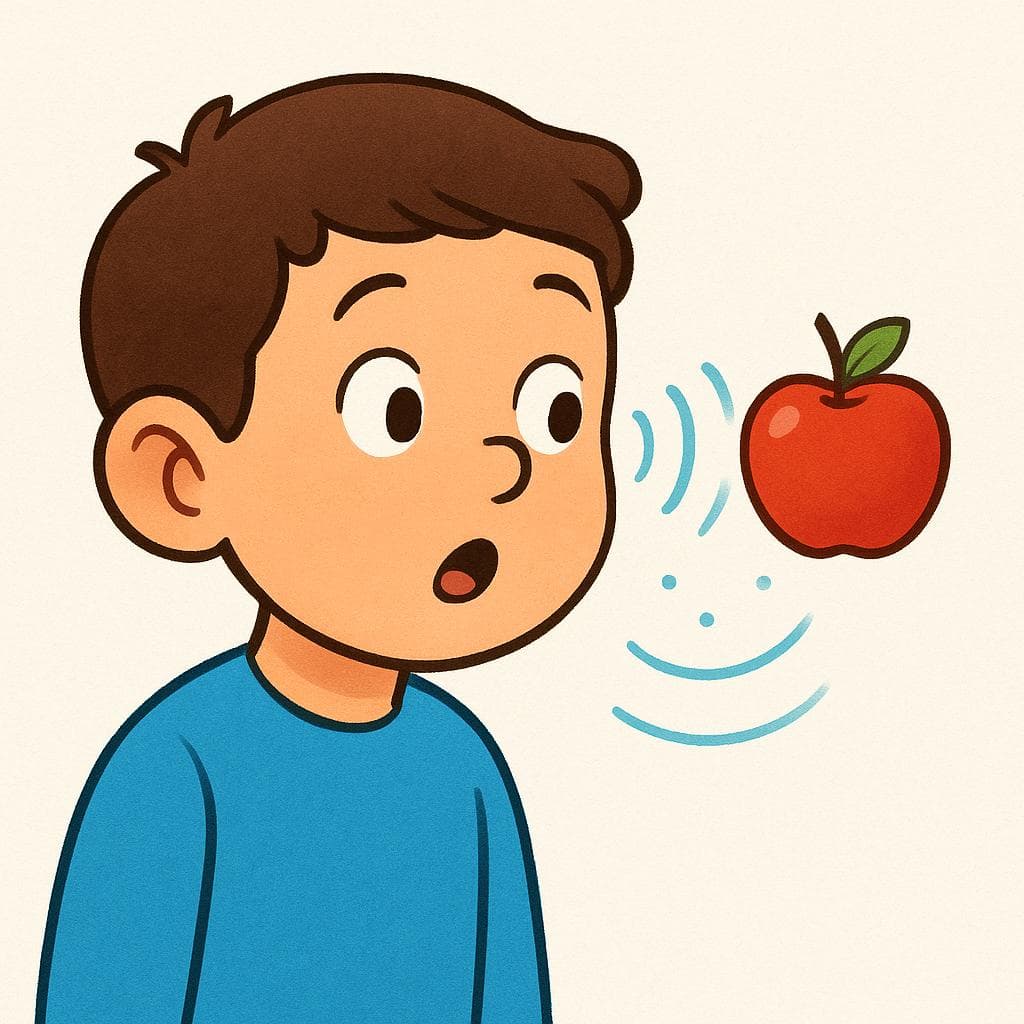
The most common Spanish word for “seemed” is “parecía” — use 'parecía' when describing a general outward appearance or an impression of someone or something's state, often visual or emotional.

parecía
Examples
El niño parecía cansado después de jugar todo el día.
The boy seemed tired after playing all day.
estaba
es-TAH-bahesˈtaβa

Examples
Ella estaba muy feliz con la noticia.
She was very happy with the news.
Yo estaba enfermo la semana pasada.
I was sick last week.
La puerta estaba abierta.
The door was open.
Temporary vs. Permanent ('Estar' vs. 'Ser')
Estar is for temporary states (how you feel, where you are). For more permanent traits (who you are, what you're like), you'll use a different verb, ser.
Using 'fue' instead of 'estaba' for feelings
Mistake: “Él fue triste.”
Correction: Él estaba triste. Use `estaba` for feelings and moods. 'Fue' comes from the verb `ser` and is used for more permanent traits or to describe an event.
sonaba
soh-NAH-bahsoˈnaβa
Examples
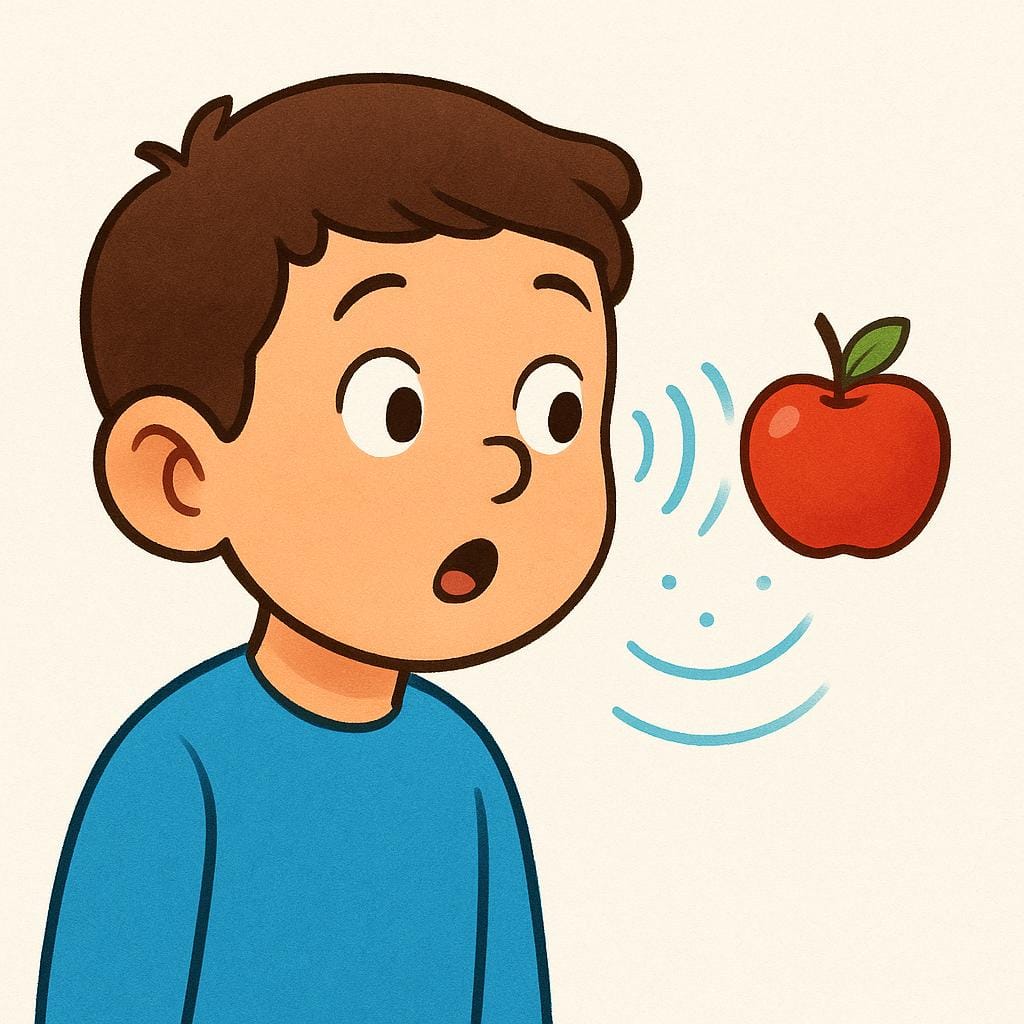
Su acento me sonaba a español de Argentina.
His accent sounded like Argentine Spanish to me.
La excusa que me dio sonaba poco creíble.
The excuse he gave me sounded unbelievable.
Ese apellido me sonaba, pero no sabía por qué.
That last name sounded familiar to me, but I didn't know why.
Using 'Me' or 'Te'
When 'sonar' means 'to sound familiar,' it usually takes an indirect object pronoun (like 'me,' 'te,' 'le') to show who is doing the recognizing. Example: 'Me sonaba' (It sounded familiar to me).
Confusing 'Sonaba' and 'Sonó'
Mistake: “The learner says: 'Esa historia sonó extraña.'”
Correction: Say: 'Esa historia sonaba extraña.' When describing an impression or quality that lasted for a period, the imperfect ('sonaba') is usually better than the preterite ('sonó'), which implies the impression was only momentary.
sonó
Examples
Su propuesta sonó muy interesante, pero no dio detalles.
His proposal sounded very interesting, but he didn't give details.
Parecía vs. Sonaba/Sonó
Related Translations
Learn Spanish with Inklingo
Interactive stories, personalized learning, and more.