How to Say "was playing" in Spanish
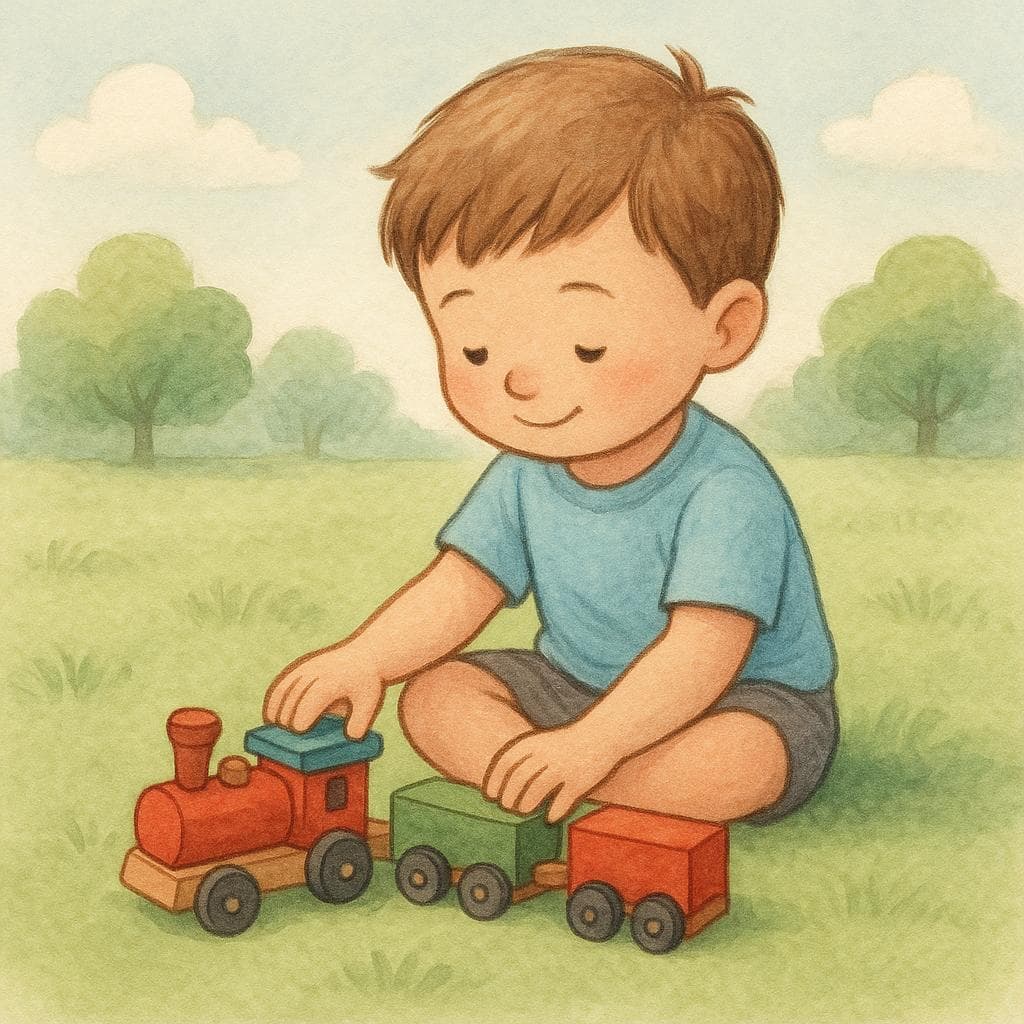
The most common Spanish word for “was playing” is “jugaba” — use 'jugaba' to describe an ongoing action or activity in the past, especially a game or pastime.
jugaba
hoo-GAH-bahxuˈɣa.βa
Examples
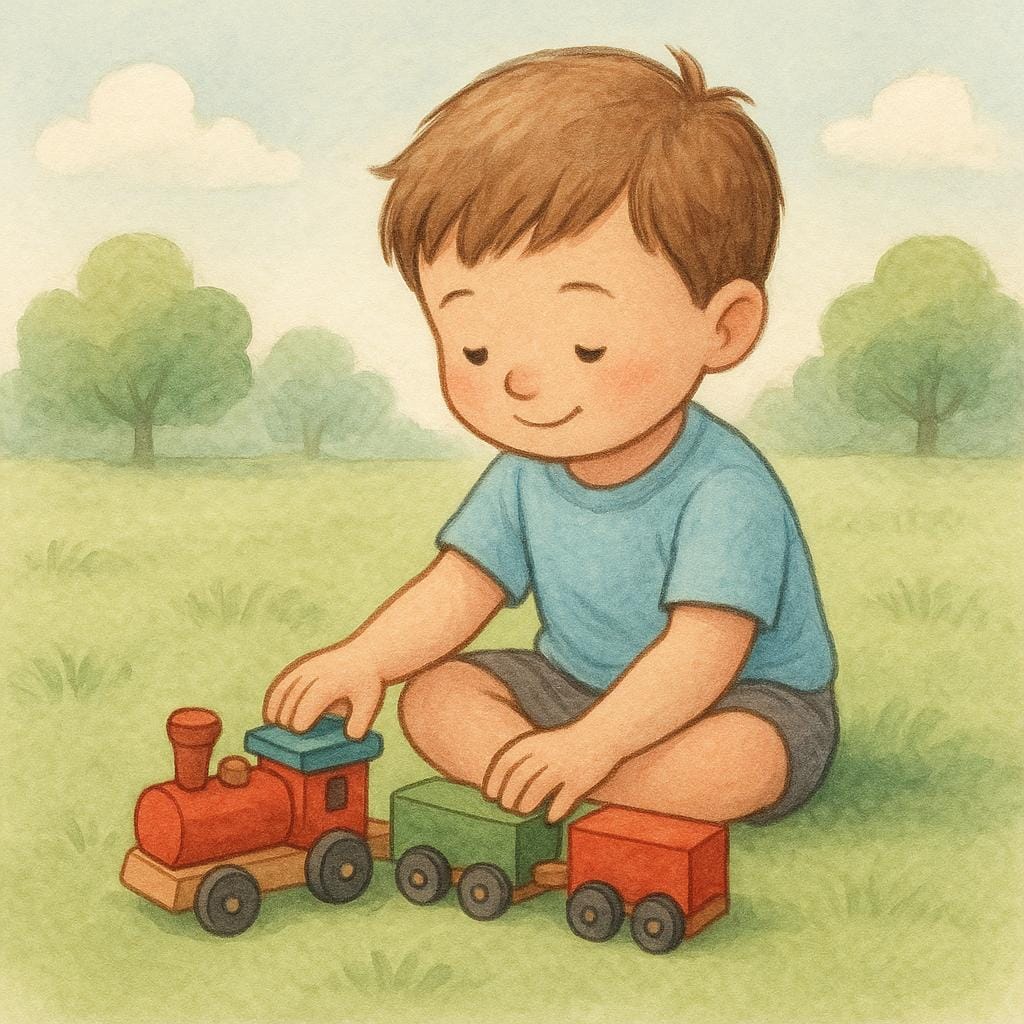
Cuando era niño, yo jugaba en el parque todas las tardes.
When I was a child, I used to play in the park every afternoon.
Ella jugaba con el perro cuando empezó a llover.
She was playing with the dog when it started to rain.
Usted jugaba muy bien al tenis hace años.
You used to play tennis very well years ago.
One word, two people
In this past form, 'jugaba' is used for both 'I' (yo) and 'he/she/you formal' (él/ella/usted). Use the person's name or a pronoun if you need to be extra clear.
The 'Movie' Tense
Think of 'jugaba' like a scene in a movie that is already in progress. It describes what was happening or what used to happen regularly, rather than a single completed action.
Jugaba vs. Jugué
Mistake: “Using 'jugué' to say 'I used to play every day.'”
Correction: Use 'jugaba' for habits. 'Jugué' is for one specific time, like 'I played soccer yesterday.'
tocaba
toh-KAH-bahtoˈkaβa
Examples
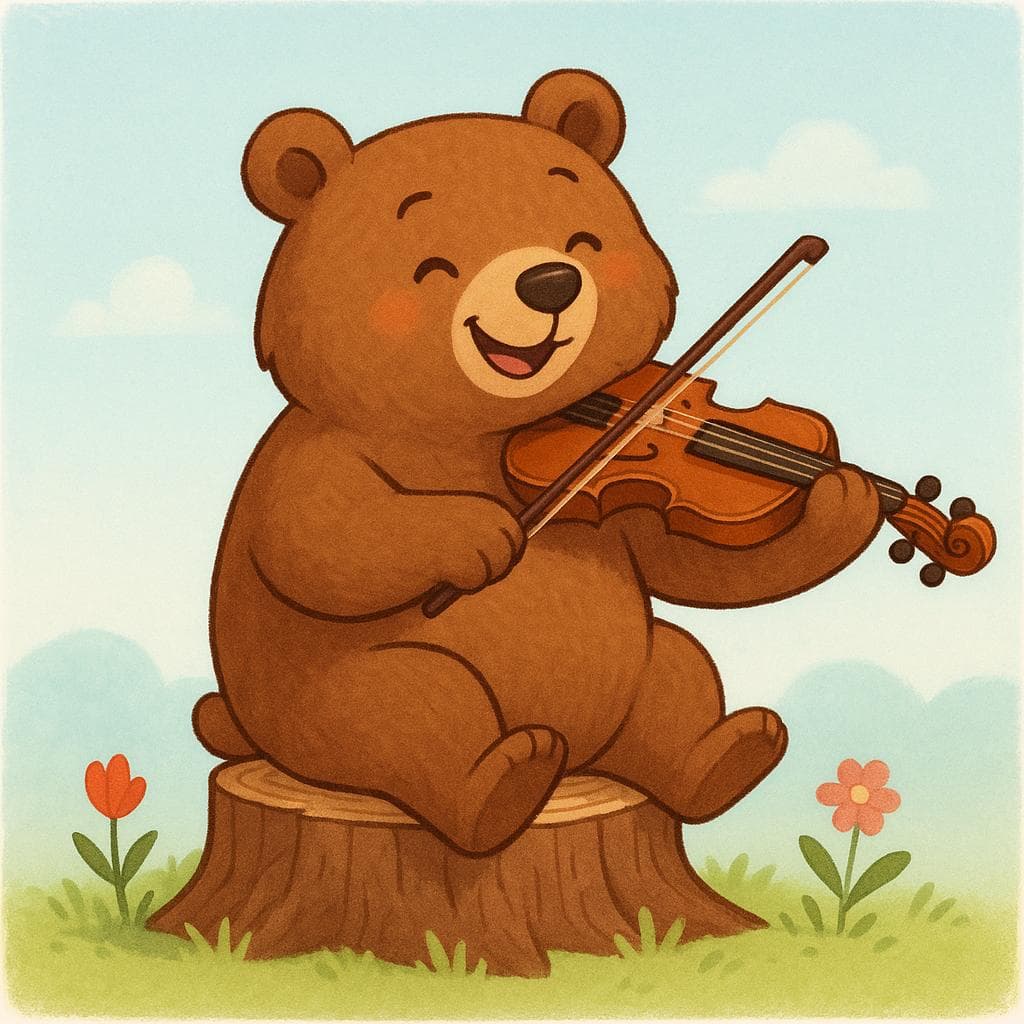
Mi abuelo tocaba el piano todos los domingos.
My grandfather used to play the piano every Sunday.
Ella tocaba la guitarra cuando la conocí.
She was playing the guitar when I met her.
No Preposition Needed
Unlike English ('play the piano'), Spanish uses the verb 'tocar' directly with the instrument ('tocar el piano') without a preposition.
sonaba
soh-NAH-bahsoˈnaβa
Examples
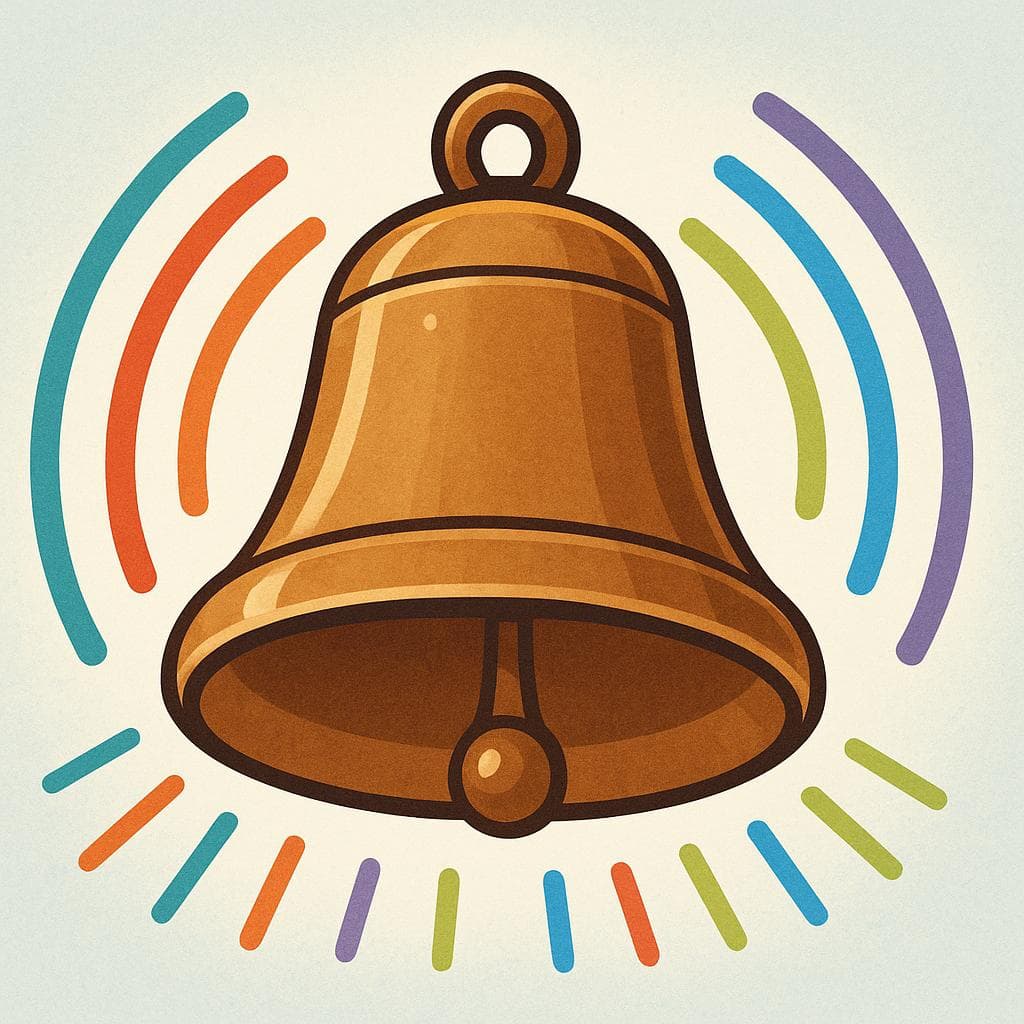
El despertador sonaba muy fuerte cada mañana.
The alarm clock used to ring very loudly every morning.
Mientras comíamos, la música sonaba suavemente de fondo.
While we were eating, the music was sounding softly in the background.
Cuando llegué, la sirena de la policía sonaba a lo lejos.
When I arrived, the police siren was sounding in the distance.
The Imperfect Tense (Imperfecto)
This form describes actions that were repeated, habitual, or ongoing in the past. Think of it as 'used to...' or 'was/were -ing...'
Setting the Scene
We use 'sonaba' to describe the background sound or setting when another, shorter action (using the preterite tense) happened. Example: 'El teléfono sonaba (background), y luego lo cogí (short action).'
Using the Wrong Past Tense
Mistake: “The learner says: 'El despertador sonó cada mañana.'”
Correction: Say: 'El despertador sonaba cada mañana.' Use 'sonaba' (imperfect) for repeated actions, not 'sonó' (preterite), which is for a single, completed action.
Action vs. Sound
Related Translations
Learn Spanish with Inklingo
Interactive stories, personalized learning, and more.