How to Say "seen" in Spanish
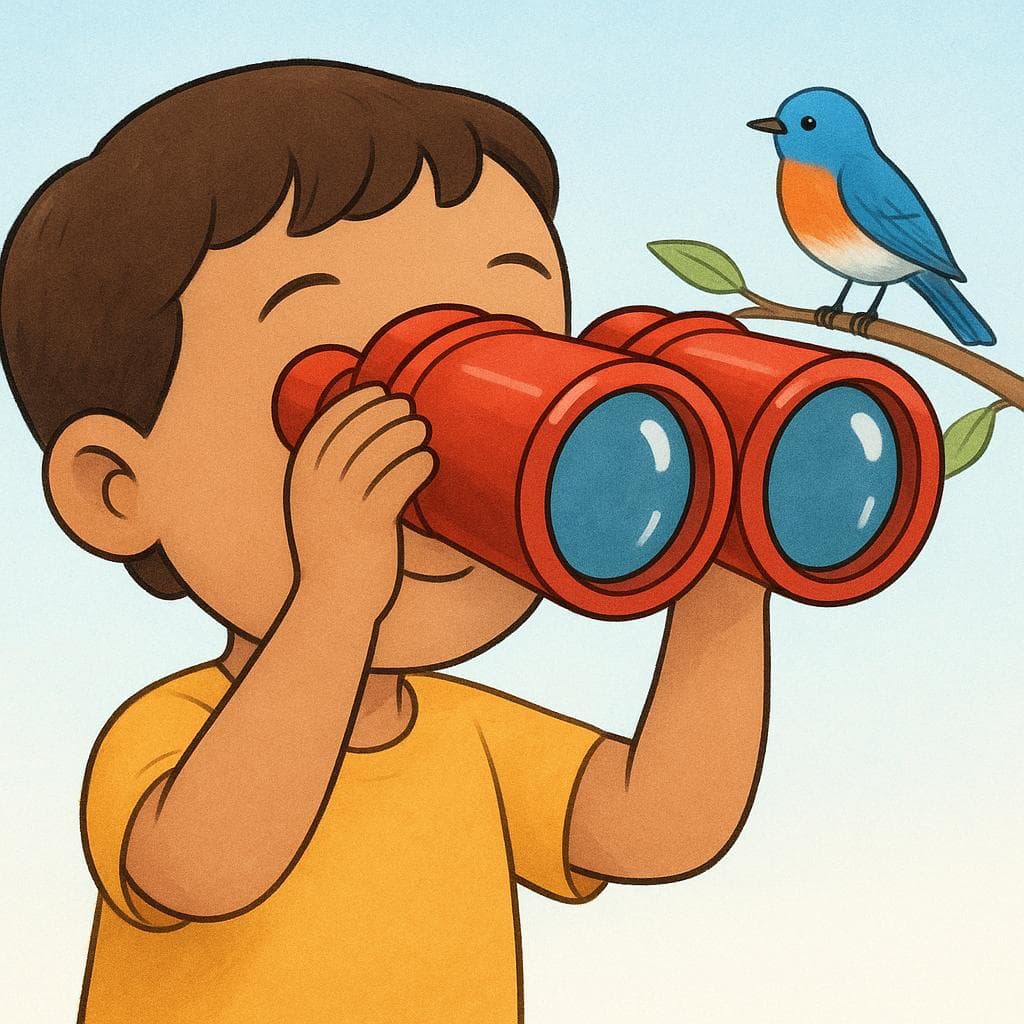
The most common Spanish word for “seen” is “visto” — use 'visto' when referring to the past participle of 'to see' or an adjective indicating something has been observed or experienced.

visto
bees-tohˈbisto

Examples
Nunca he visto una estrella fugaz.
I have never seen a shooting star.
Una vez visto el problema, es más fácil solucionarlo.
Once the problem is seen, it's easier to solve it.
Este documental es el más visto del año.
This documentary is the most-watched of the year.
—No te olvides de comprar pan. —Visto.
—Don't forget to buy bread. —Got it.
Making 'Have Seen' Tenses
Combine 'visto' with the helper verb 'haber' to say what you 'have seen'. For example, 'he visto' (I have seen), 'has visto' (you have seen). In these phrases, 'visto' never changes its ending.
Using 'Visto' to Describe Nouns
When 'visto' describes a person or thing, it acts like an adjective and must match the noun. Use 'visto' for masculine things and 'vista' for feminine things. For plurals, use 'vistos' and 'vistas'.
Changing the Ending with 'Haber'
Mistake: “La he vista la película.”
Correction: He visto la película. (Or: La he visto.) When 'visto' follows 'haber' (he, has, ha...), it always stays 'visto', even if you're talking about a feminine noun like 'película'.
visto
bees-tohˈbisto
Examples
—No te olvides de comprar pan. —Visto.
—Don't forget to buy bread. —Got it.
Nunca he visto una estrella fugaz.
I have never seen a shooting star.
Una vez visto el problema, es más fácil solucionarlo.
Once the problem is seen, it's easier to solve it.
Este documental es el más visto del año.
This documentary is the most-watched of the year.
Making 'Have Seen' Tenses
Combine 'visto' with the helper verb 'haber' to say what you 'have seen'. For example, 'he visto' (I have seen), 'has visto' (you have seen). In these phrases, 'visto' never changes its ending.
Using 'Visto' to Describe Nouns
When 'visto' describes a person or thing, it acts like an adjective and must match the noun. Use 'visto' for masculine things and 'vista' for feminine things. For plurals, use 'vistos' and 'vistas'.
Changing the Ending with 'Haber'
Mistake: “La he vista la película.”
Correction: He visto la película. (Or: La he visto.) When 'visto' follows 'haber' (he, has, ha...), it always stays 'visto', even if you're talking about a feminine noun like 'película'.
mirado
mee-RAH-dohmiˈɾa.ðo
Examples
Hemos mirado esa película tres veces ya.
We have watched that movie three times already.
¿Alguna vez has mirado al cielo nocturno desde el desierto?
Have you ever looked at the night sky from the desert?
Forming Perfect Tenses
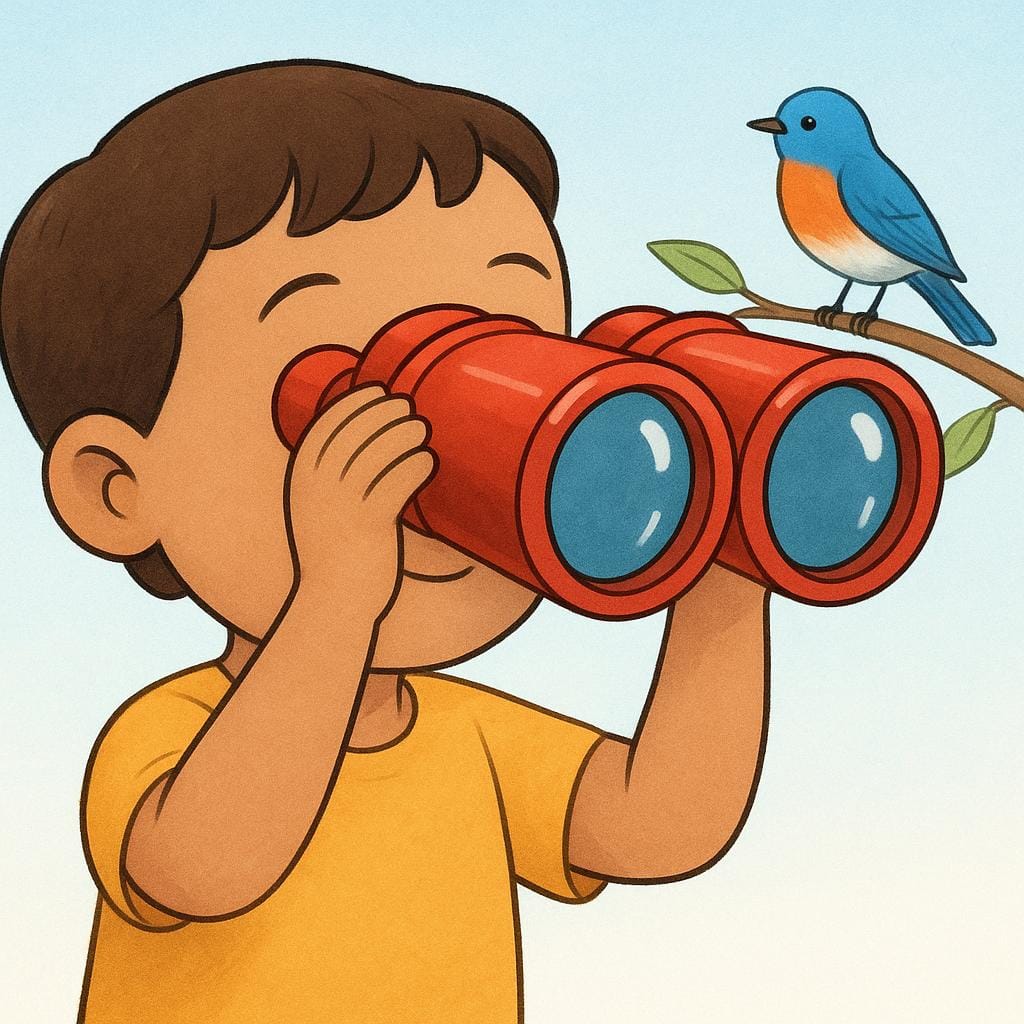
'Mirado' is the form you combine with the verb 'haber' (to have) to talk about actions completed in the past, like 'He mirado' (I have looked).
Using 'Estar' + Participle
You can use 'estar' (to be) plus 'mirado' to describe a state resulting from the action: 'La casa estaba bien mirada' (The house was well-cared for/looked after).
Mixing up Participles
Mistake: “Using 'soy mirado' instead of 'he mirado'.”
Correction: Use 'haber' (he, has, ha, hemos, etc.) to form perfect tenses. Use 'ser' (soy, eres, es, etc.) only for the passive voice (which is less common) or 'estar' for resulting states.
Watching vs. Seeing
Related Translations
Learn Spanish with Inklingo
Interactive stories, personalized learning, and more.