How to Say "sharpness" in Spanish
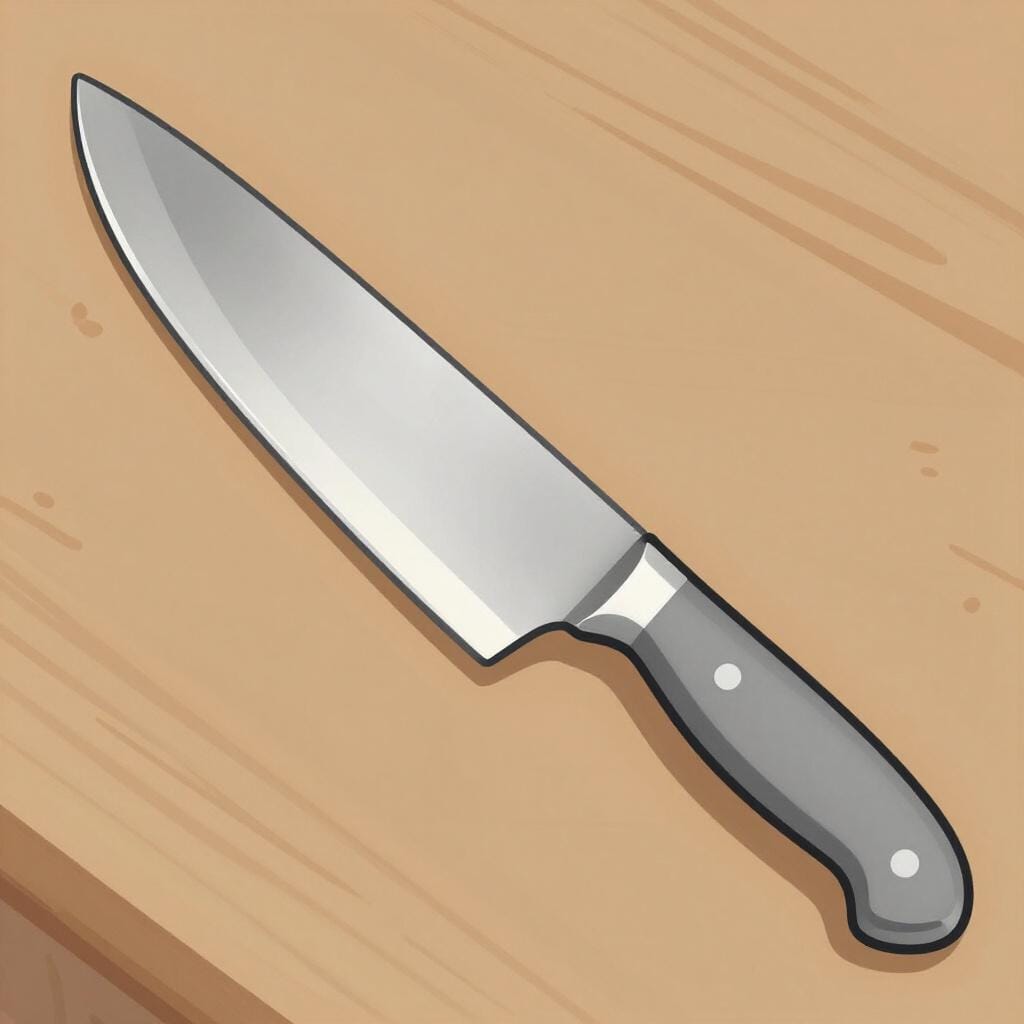
The most common Spanish word for “sharpness” is “filo” — use 'filo' when referring to the physical sharpness of an edge, like on a knife, blade, or tool.
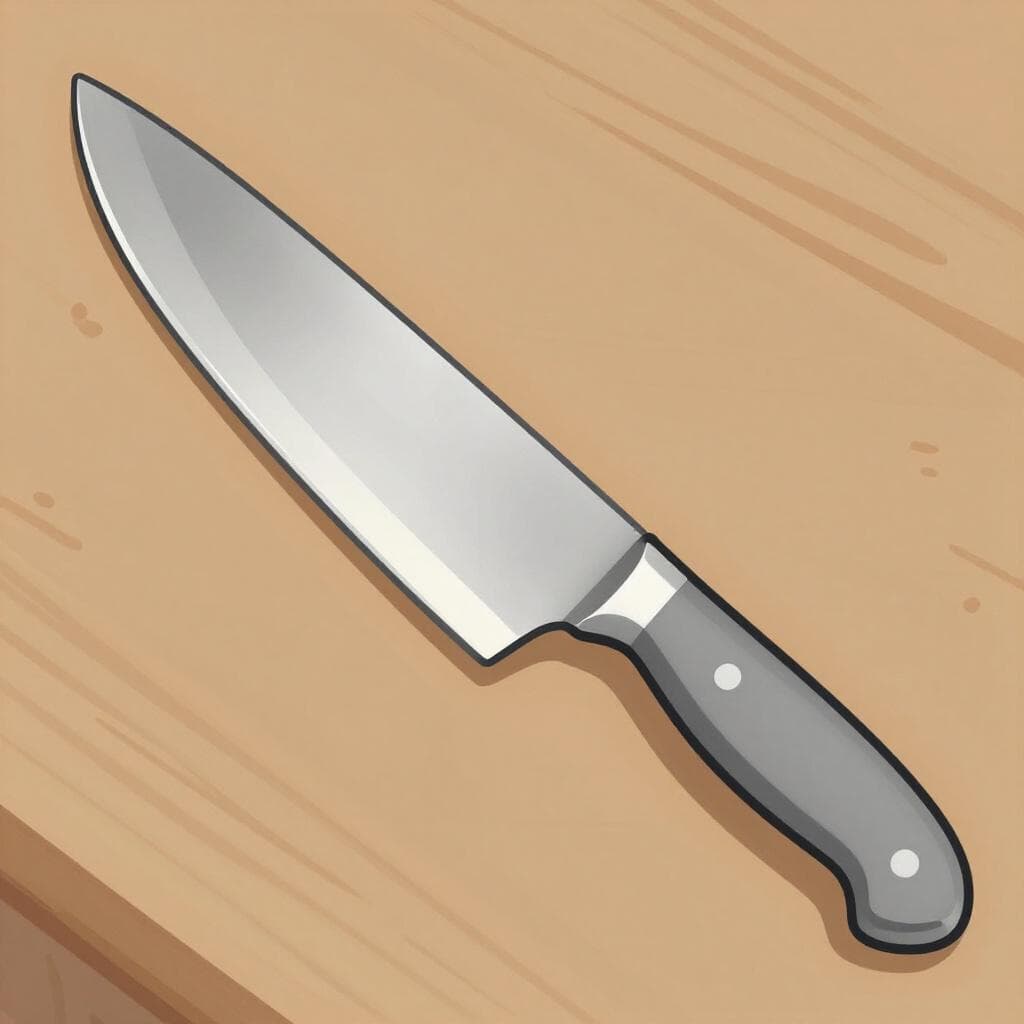
filo
FEE-lohˈfi.lo
Examples
Ten cuidado, el cuchillo tiene mucho filo.
Be careful, the knife has a very sharp edge.
Le saqué filo a las tijeras porque no cortaban bien.
I sharpened the scissors because they weren't cutting well.
La espada perdió su filo después de la batalla.
The sword lost its edge after the battle.
Using 'tener' with 'filo'
In Spanish, we say a knife 'has edge' (tiene filo) rather than saying it 'is sharp' (es afilado), though both are possible. 'Tiene filo' is the most natural way to describe it in a kitchen.
The preposition 'al'
When using 'filo' to mean the 'brink' of time, always use 'al filo de' (at the edge of). Example: 'Al filo de la medianoche' (Right at/around midnight).
Filo vs. Afilado
Mistake: “El cuchillo está filo.”
Correction: El cuchillo tiene filo o está afilado.
ácido
Examples
Su comentario tuvo un tono ácido que hirió a todos.
His comment had an acidic tone that hurt everyone.
Confusing Physical vs. Figurative Sharpness
Learn Spanish with Inklingo
Interactive stories, personalized learning, and more.