How to Say "smack" in Spanish
The most common Spanish word for “smack” is “bofetada” — use this for a direct, open-handed hit or slap, often on the face or cheek, and it's a common, everyday term.

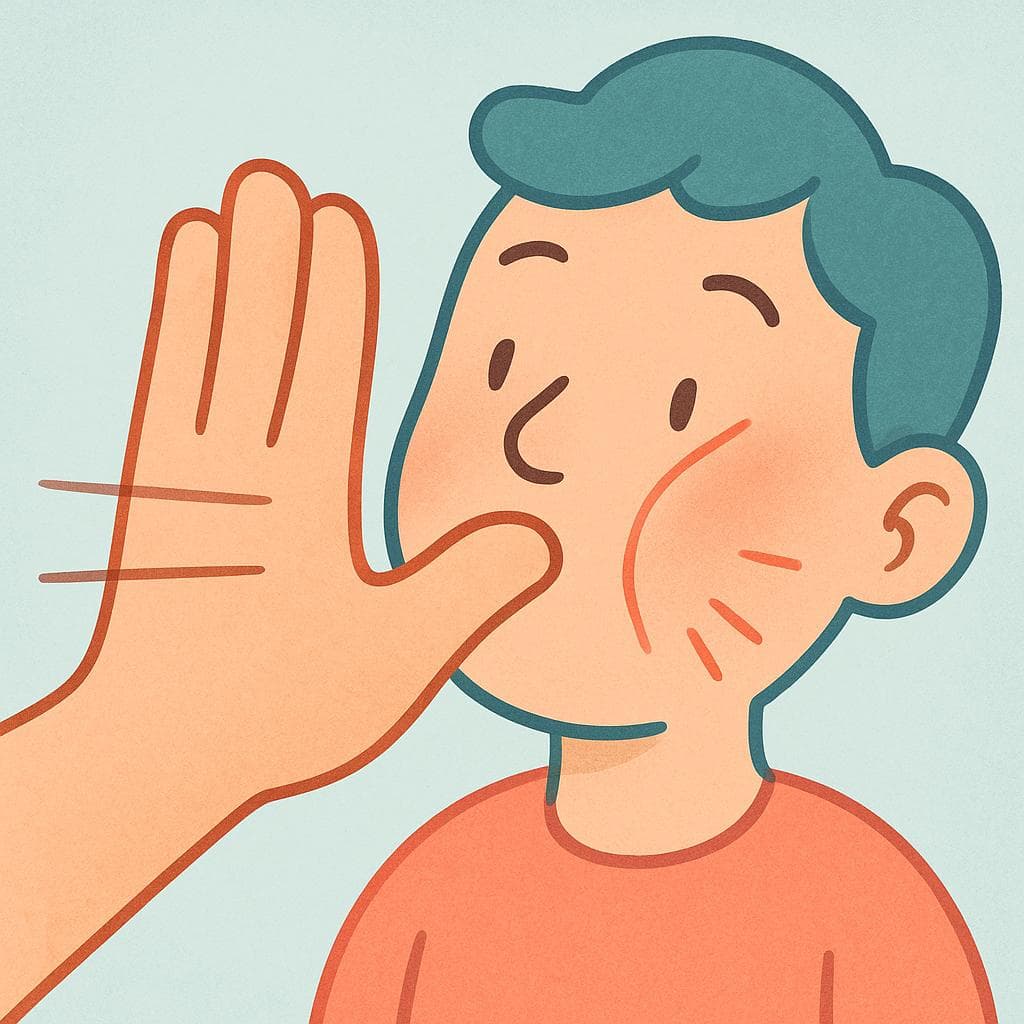
bofetada
bo-fay-TAH-dahbofeˈtaða
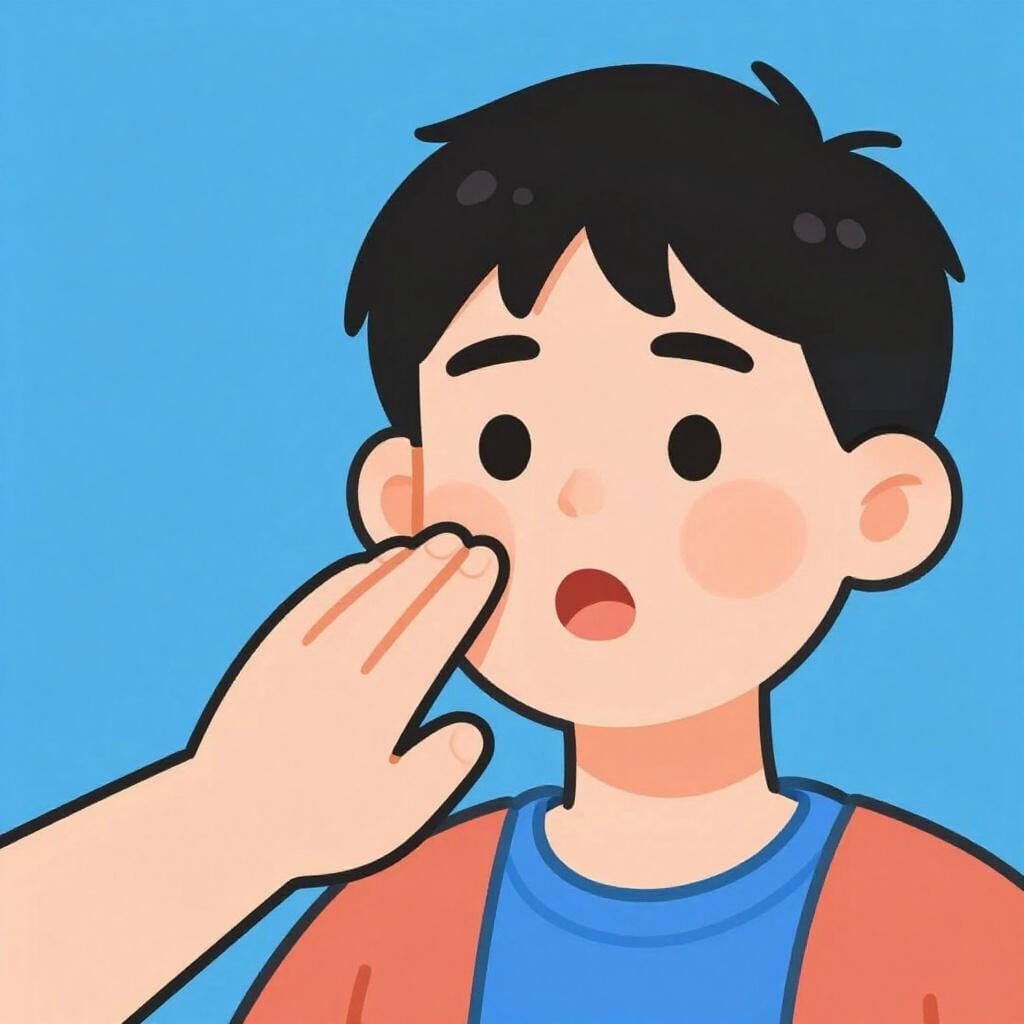
Examples
Le dio una bofetada en la cara por mentirle.
She gave him a slap in the face for lying to her.
Ella le dio una bofetada en la mejilla.
She gave him a slap on the cheek.
Se escuchó el sonido de una bofetada en toda la habitación.
The sound of a slap was heard throughout the whole room.
Es inaceptable resolver los problemas con bofetadas.
It is unacceptable to solve problems with slaps.
Using the right verb
In Spanish, you don't 'slap' someone using a single verb easily; instead, you 'give a slap' (dar una bofetada) to the person.
Indicating the victim
When you say who received the slap, use the word 'le' (to him/her) or 'me' (to me). For example: 'Le dio una bofetada' means 'He/she gave him/her a slap'.
Gender Error
Mistake: “El bofetada.”
Correction: La bofetada. Even though it ends in 'a' like many feminine words, learners sometimes forget and use the masculine 'el' because it feels like a 'hard' or 'aggressive' noun.
torta
TOR-tahˈtoɾta
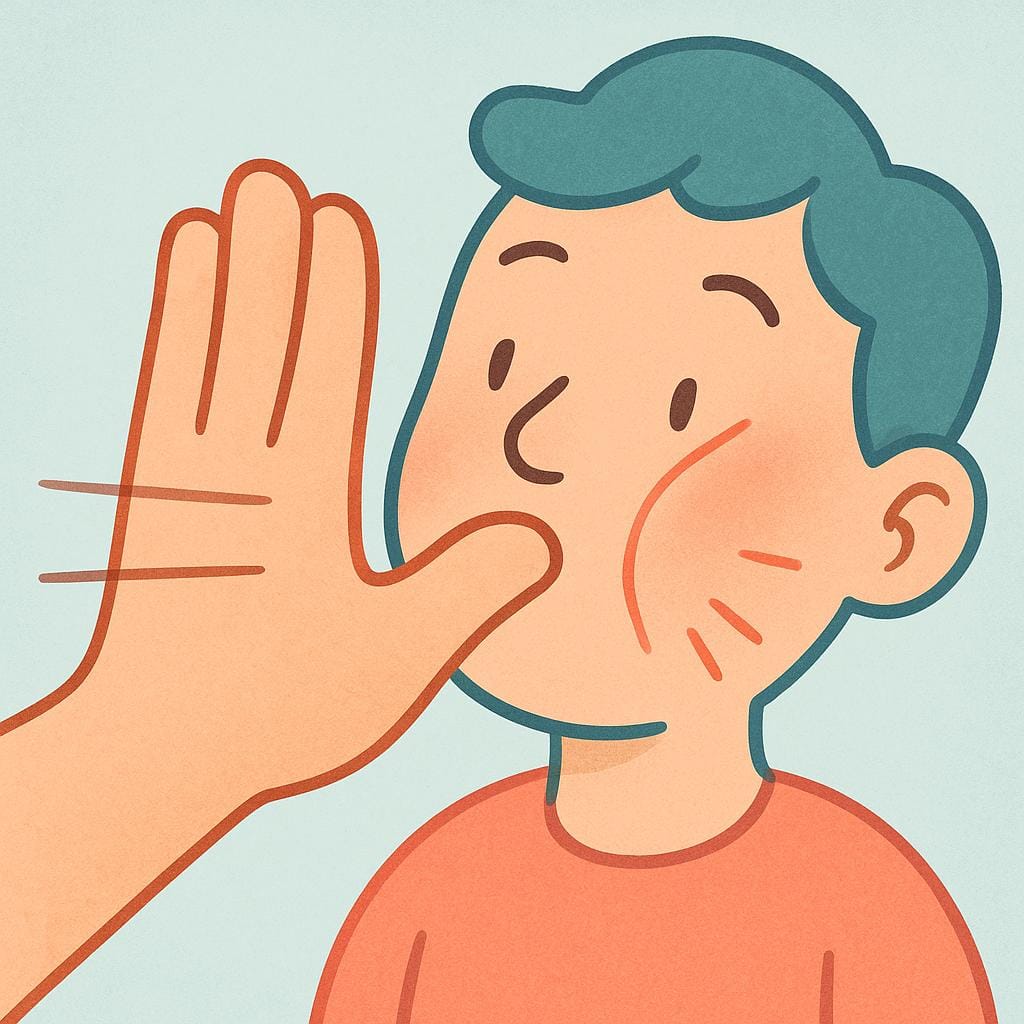
Examples
El maestro le dio una torta en la mano por no hacer la tarea.
The teacher gave him a sharp hit on the hand for not doing the homework.
Le dio una torta en la cara por insultarla.
He gave her a slap in the face for insulting her.
Si no te callas, te voy a dar una torta.
If you don't shut up, I'm going to give you a smack.
hostia
OSS-tyahˈostja
Examples
Se dio una hostia tremenda al caerse de la moto.
He took a massive hit when he fell off the motorbike.
Se dio una hostia tremenda con la bici.
He had a massive crash on his bike.
Si no te callas, te vas a llevar una hostia.
If you don't shut up, you're going to get a smack.
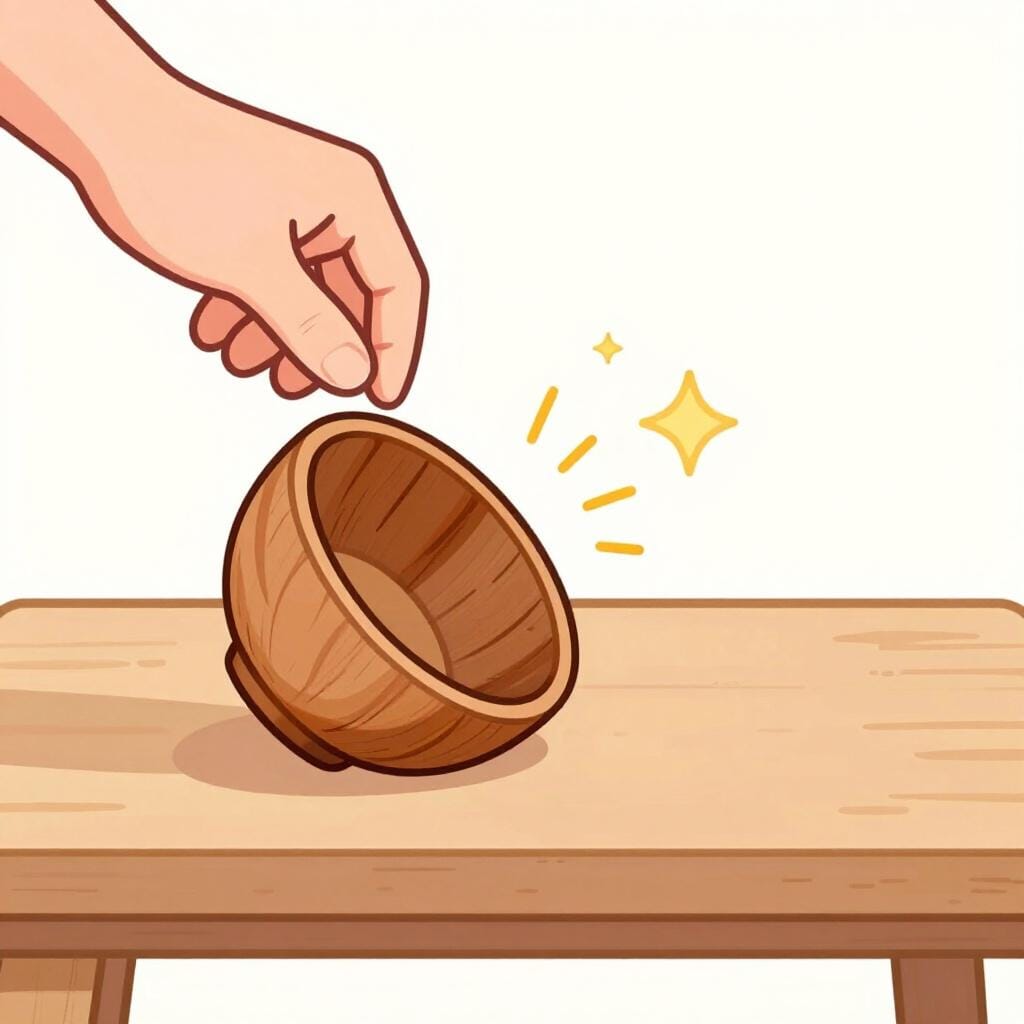
Le dio una hostia a la mesa por la frustración.
He gave the table a hard smack out of frustration.
Using 'darse' for accidents
When you accidentally hit yourself or crash into something, use the reflexive form 'darse una hostia' to show the action happened to you.
Always Feminine
Even though it is used as slang for a hit, it never changes its gender. It is always 'la hostia' or 'una hostia'.
Confusing with 'golpe' in formal settings
Mistake: “Using 'hostia' in a job interview to describe a car accident.”
Correction: Use 'golpe' or 'accidente' instead. 'Hostia' is very informal and can be seen as rude in professional environments.
Bofetada vs. Torta vs. Hostia
Related Translations
Learn Spanish with Inklingo
Interactive stories, personalized learning, and more.