How to Say "spread out" in Spanish
The most common Spanish word for “spread out” is “disperso” — use 'disperso' when referring to things that are spread out geographically or spatially, meaning they are not close together.

disperso
dee-SPEHR-sodisˈpeɾso

Examples
Las casas en este pueblo están muy dispersas.
The houses in this town are very spread out.
Había varios juguetes dispersos por el suelo del salón.
There were several toys scattered across the living room floor.
Perdona, hoy me siento un poco disperso y no me concentro.
Sorry, I feel a bit distracted today and I can't concentrate.
Matching the Word to the Subject
This word changes its ending to match what it describes. Use 'disperso' for a man or a masculine object, 'dispersa' for a woman or feminine object, and add an 's' for plurals (dispersos/dispersas).
Using 'Estar' for People
When talking about a person being unfocused, we almost always use the verb 'estar' because it's usually a temporary feeling, not a permanent character trait.
Using 'Ser' vs 'Estar'
Mistake: “Soy disperso hoy.”
Correction: Estoy disperso hoy. Use 'estar' because you aren't a scattered person forever; it's just how you feel right now.
extendido
ex-ten-DEE-dohekstenˈdiðo

Examples
El mapa está extendido sobre la mesa.
The map is spread out on the table.
Caminaba con los brazos extendidos.
He was walking with his arms stretched out.
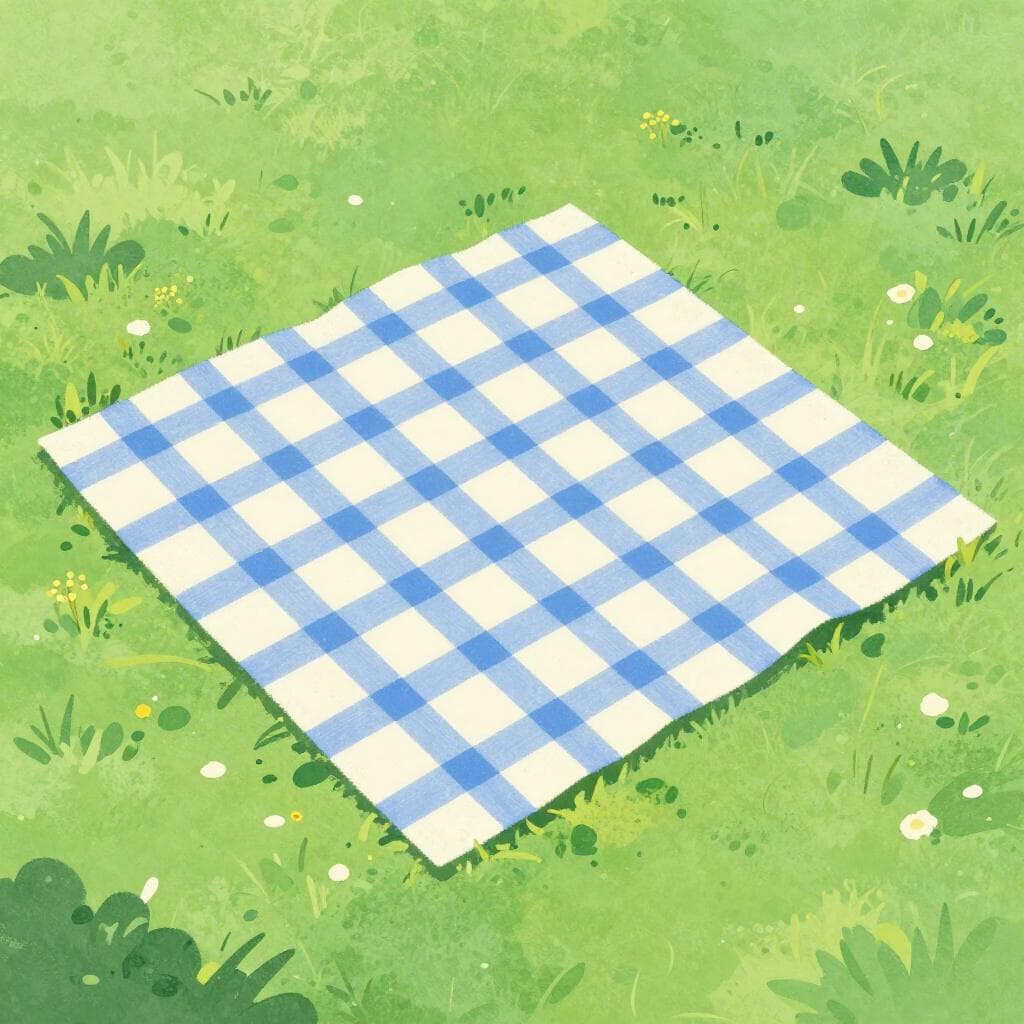
Deja el mantel bien extendido para que no tenga arrugas.
Leave the tablecloth well spread out so it doesn't have wrinkles.
Matching the Noun
Because this word acts like a description (an adjective), it must change to match what you are describing. Use 'extendido' for masculine items (el mantel) and 'extendida' for feminine items (la sábana).
Extended vs. Long
Mistake: “Using 'extendido' to mean a long duration of time.”
Correction: Use 'prolongado' for time. 'Extendido' is usually about physical space or being unfolded.
Spatial vs. Surface Spread
Related Translations
Learn Spanish with Inklingo
Interactive stories, personalized learning, and more.