How to Say "stale" in Spanish
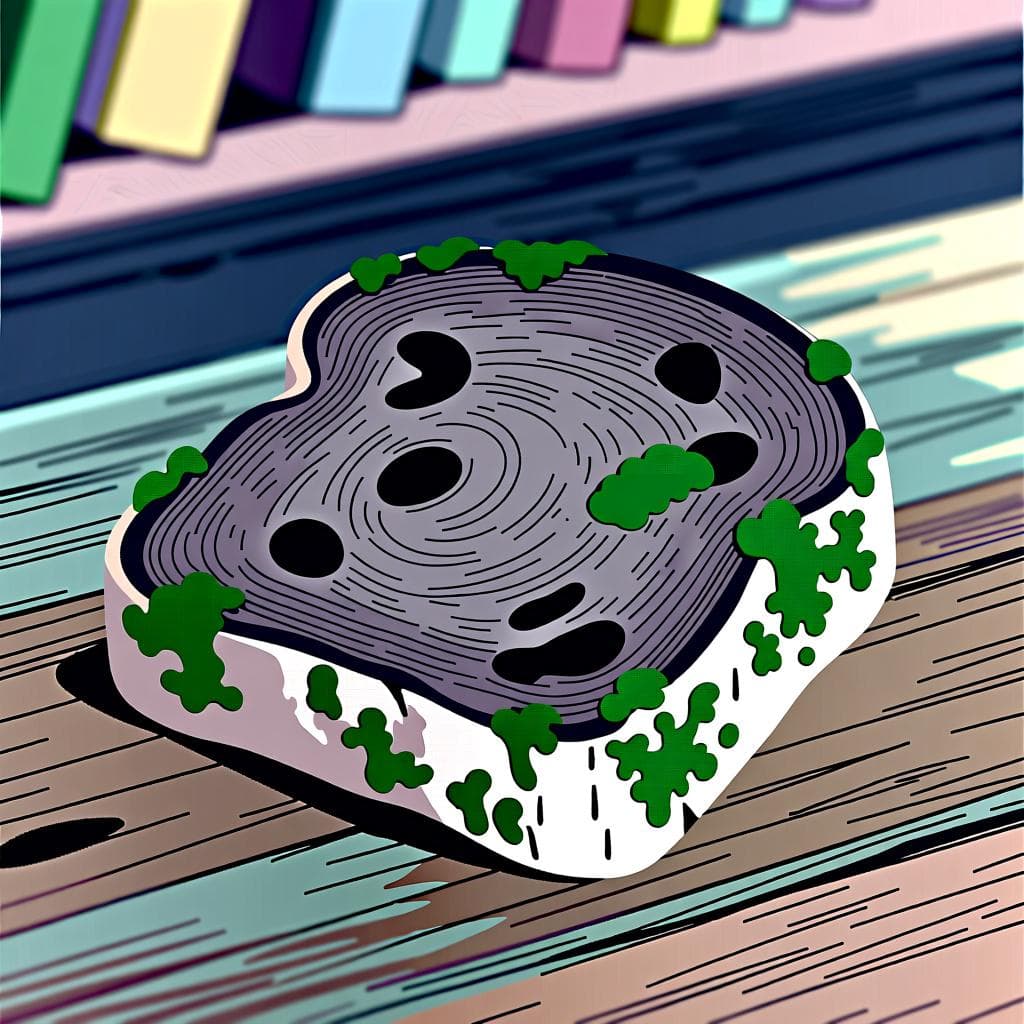
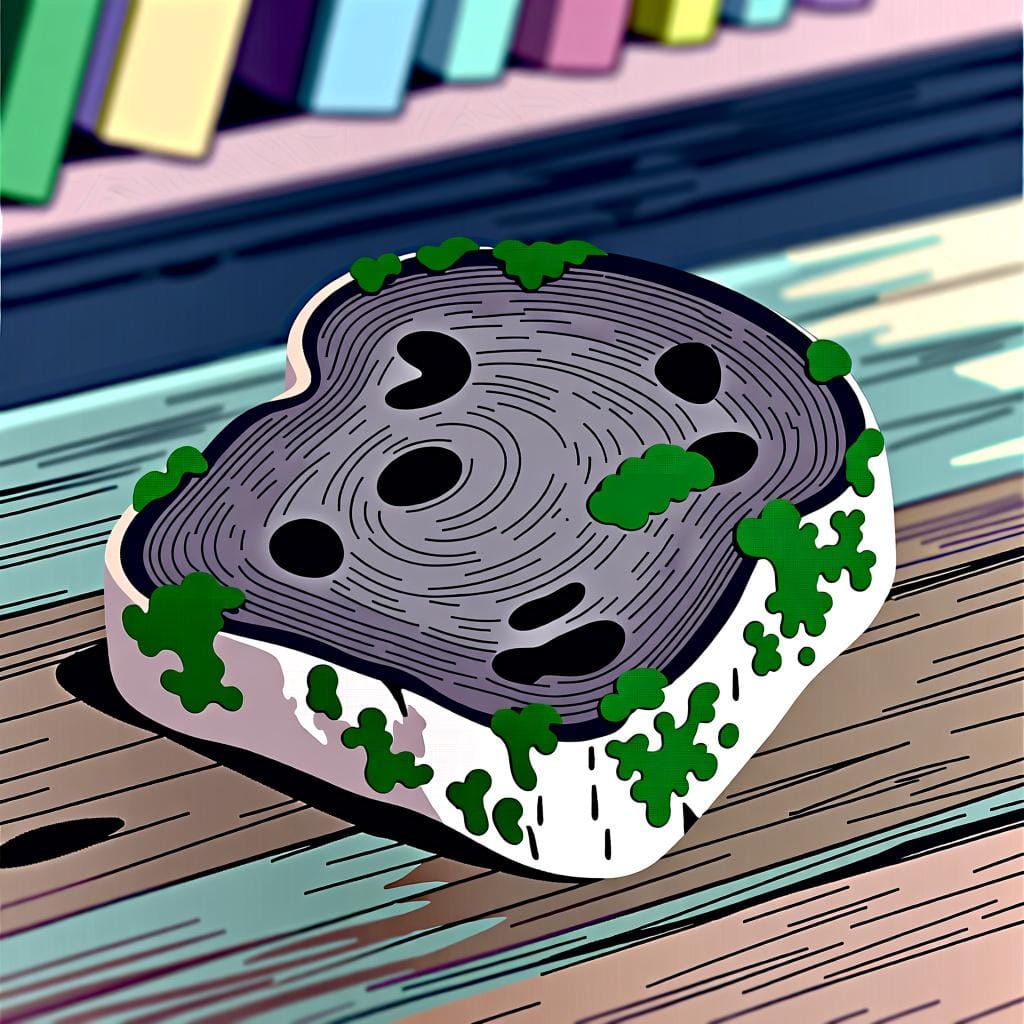
The most common Spanish word for “stale” is “pasado” — use 'pasado' when referring to food, particularly bread, that is no longer fresh and should not be eaten.
pasado
pa-SA-dopaˈsa.ðo
Examples
Este pan está pasado, no lo comas.
This bread is stale, don't eat it.
El año pasado viajé a México.
Last year I traveled to Mexico.
La semana pasada no tuvimos clase.
Last week we didn't have class.
El arroz está un poco pasado, pero se puede comer.
The rice is a little overcooked, but it's edible.
Making it Match
'Pasado' is like a chameleon. It changes its ending to match the word it's describing. Use 'pasado' for masculine words (el año pasado) and 'pasada' for feminine words (la semana pasada).
Where does it go?
When talking about time, 'pasado' almost always comes right after the noun it describes, like in 'el fin de semana pasado' (last weekend).
Also a Verb Part
You'll also see 'pasado' used with the verb 'haber' to talk about things that 'have happened'. For example, 'He pasado un buen día' (I have had a good day). Here, it's part of the verb 'pasar'.
Pasado vs. Último
Mistake: “Using 'último' to mean 'last year'.”
Correction: 'El año pasado' means 'the year before this one' (e.g., 2023). 'El último año' means 'the final year' (e.g., the last year of college). For time periods just before now, stick with 'pasado'.
duro
DOO-rohˈdu.ɾo
Examples
El pan de ayer está muy duro.
Yesterday's bread is very stale.
Esta piedra es muy dura.
This stone is very hard.
El pan de ayer está duro.
Yesterday's bread is stale.
Ha sido un año muy duro para nosotros.
It has been a very difficult year for us.
Matching the Noun
As an adjective, 'duro' changes to match the thing it describes. Use 'dura' for feminine things ('la cama dura'), 'duros' for plural masculine ('los panes duros'), and 'duras' for plural feminine ('las pruebas duras').
Confusing with 'Difícil'
Mistake: “'Duro' can mean 'difficult', but 'difícil' is often a better choice for abstract challenges like exams or problems.”
Correction: Use 'un examen difícil' (a difficult exam) instead of 'un examen duro'. 'Duro' implies more of a struggle or hardship.
Confusing 'pasado' and 'duro' for stale bread
Related Translations
Learn Spanish with Inklingo
Interactive stories, personalized learning, and more.