How to Say "starter" in Spanish
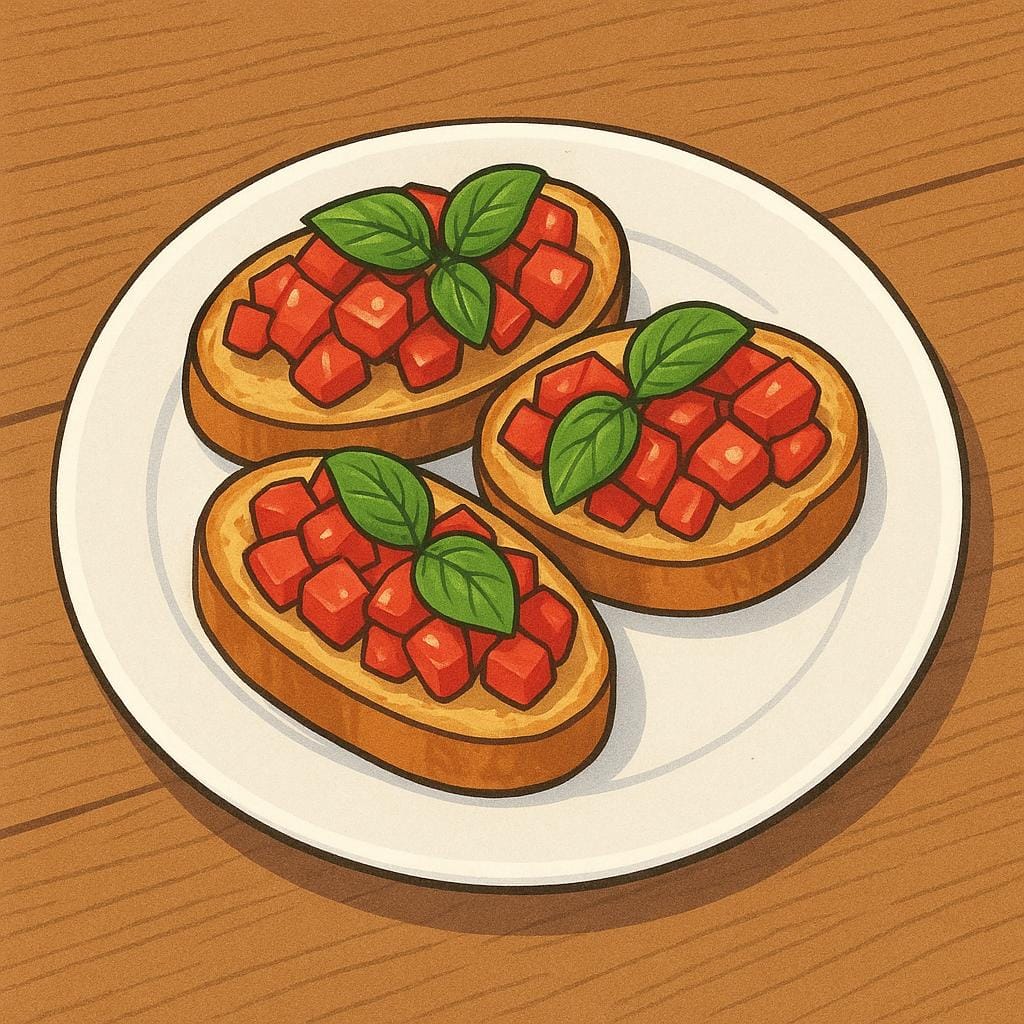
The most common Spanish word for “starter” is “entrante” — use this word for the first course of a meal, like an appetizer.
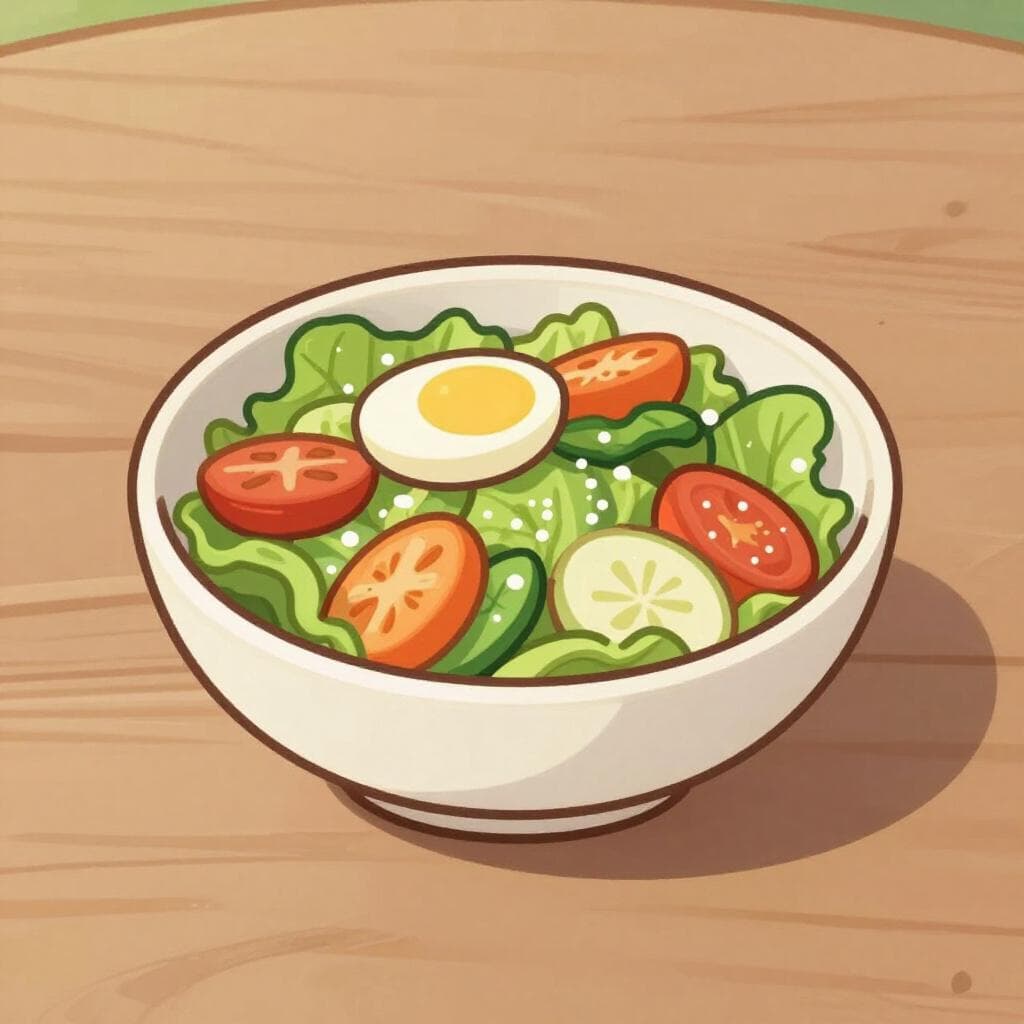
Use this word for the first course of a meal, like an appetizer.
Learn more →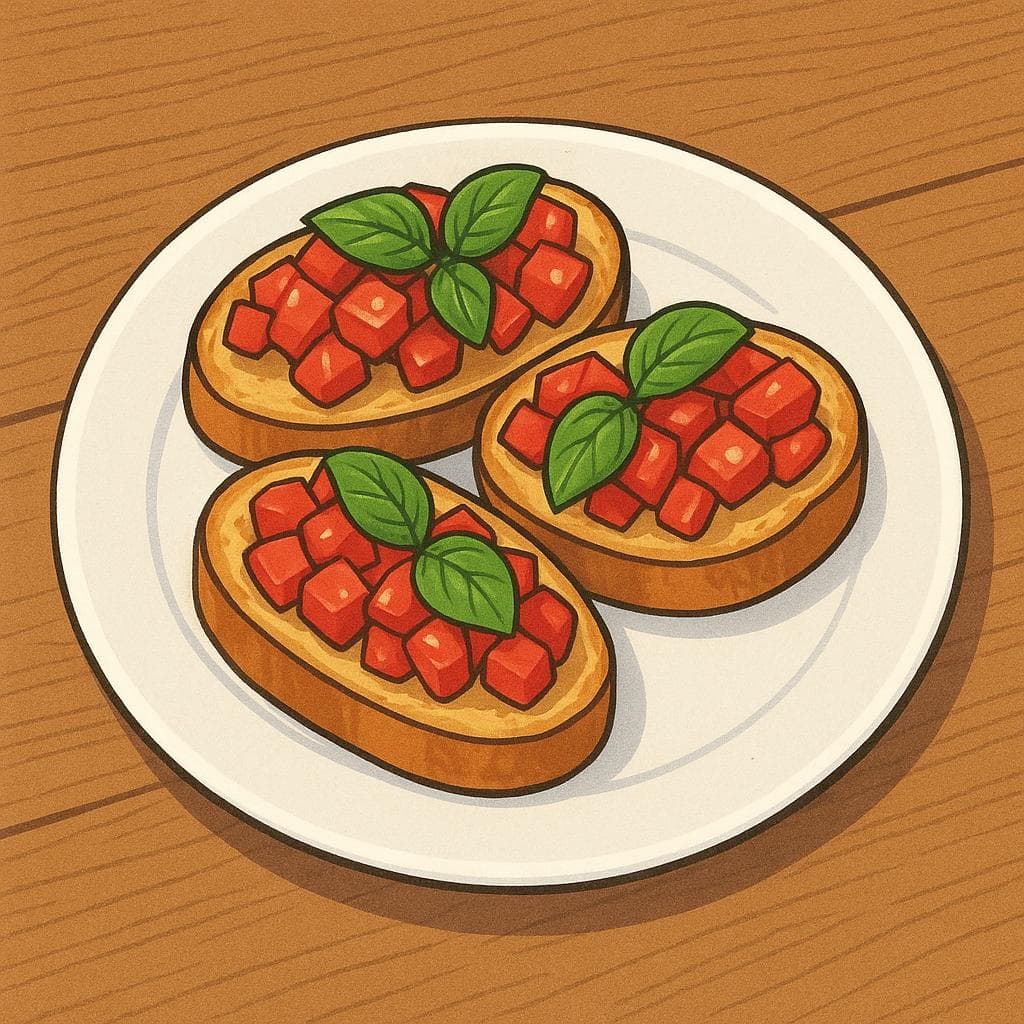
This is another common word for the first course of a meal, similar to 'entrante'.
Learn more →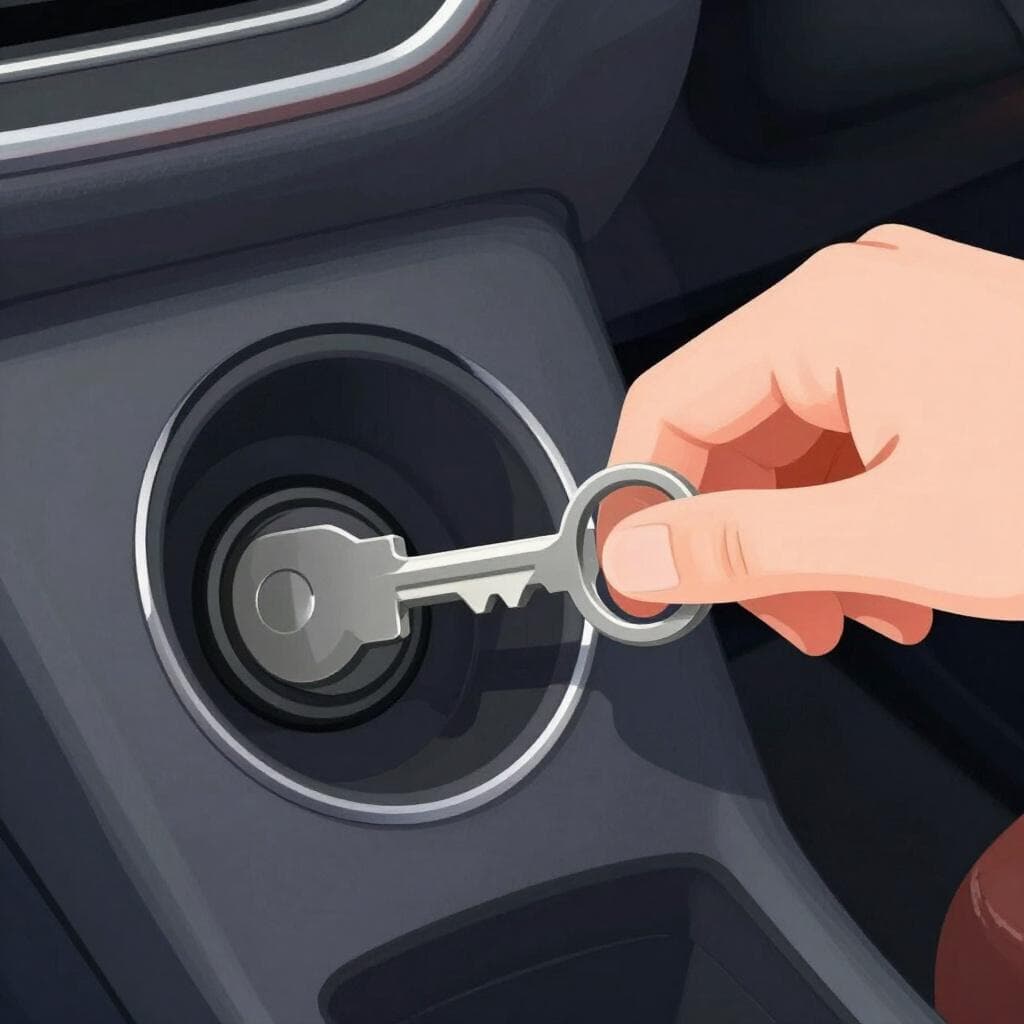
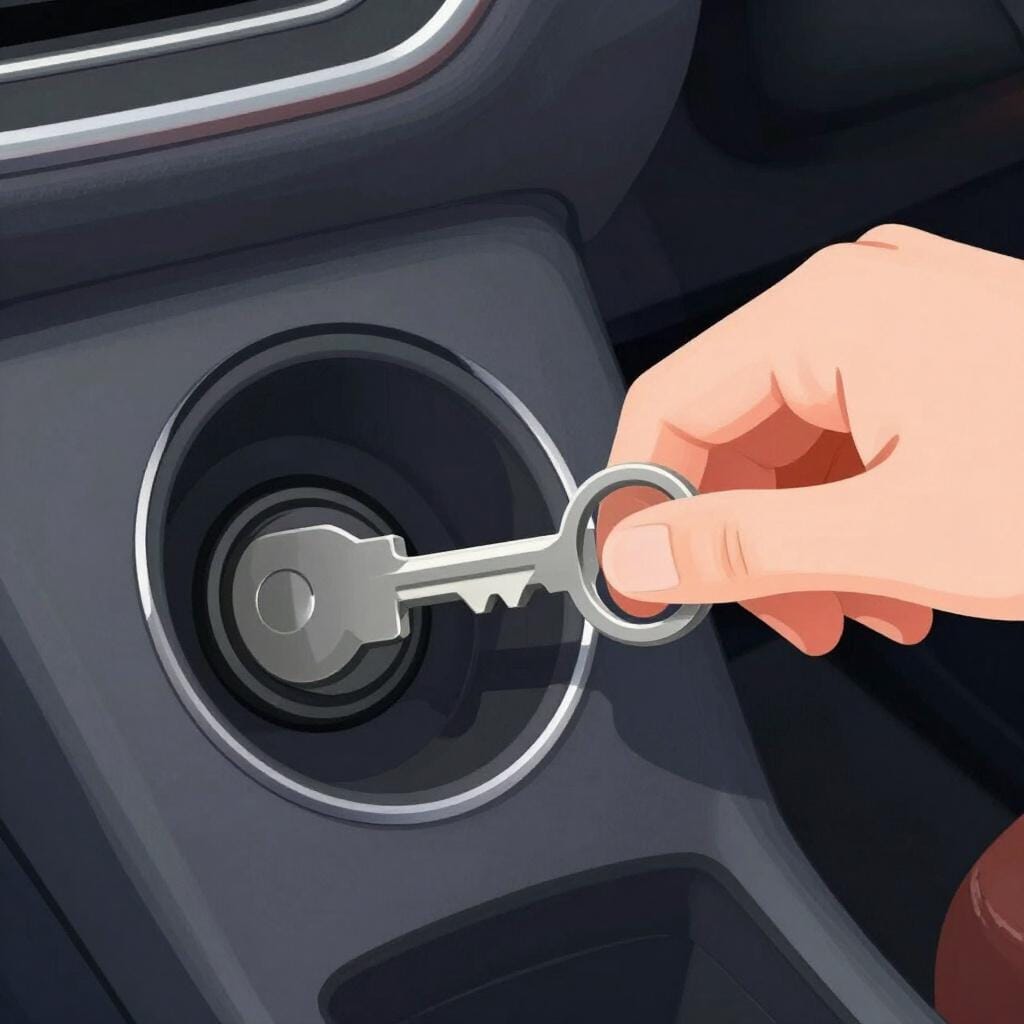
Use this word specifically when referring to the starter motor of a vehicle or machine.
Learn more →
This word is used informally to describe a beginner or someone new to an activity.
Learn more →en-trahn-tehenˈtɾante
Examples
¿Qué vamos a pedir de entrante?
What are we going to order for a starter?
Los entrantes de este restaurante son muy variados.
The appetizers at this restaurant are very varied.
Prefiero pedir dos entrantes en lugar de un plato principal.
I prefer to order two starters instead of a main course.
Using 'De' with Starters
When you want to say you are having something 'for' a starter, use the word 'de'. For example: 'De entrante, quiero la ensalada' (For a starter, I want the salad).
Starter vs. Entry
Mistake: “Using 'entrada' for food in Spain.”
Correction: While 'entrada' is used in Latin America, 'entrante' is the standard term in Spain for the first course of a meal.
en-TRAH-dahenˈtɾaða
Examples
Para la entrada, pediremos unas tapas de queso.
For the appetizer, we will order some cheese tapas.
El menú incluye una entrada y un plato fuerte.
The menu includes a starter and a main course.
ah-RRAHN-kehaˈraŋke
Examples
El motor de arranque del coche hace un ruido extraño.
The car's starter motor is making a strange noise.
El arranque del proyecto fue un gran éxito.
The project's kickoff was a big success.
Necesitamos un buen arranque para ganar la carrera.
We need a good start to win the race.
Always Masculine
Even though it ends in 'e', which can sometimes be tricky, 'arranque' is always masculine. Always use 'el' or 'un' with it.
Arranque vs. Inicio
While both mean 'start,' 'arranque' often implies a burst of energy or a physical mechanism starting up.
Gender confusion
Mistake: “la arranque”
Correction: el arranque. Most words ending in -que are masculine in Spanish.
preen-see-pyahn-tehpɾinsiˈpjante

Examples
Este curso de español es para principiantes.
This Spanish course is for beginners.
No seas tan duro con él, es solo un principiante.
Don't be so hard on him, he's just a beginner.
Incluso los principiantes pueden participar en el torneo.
Even beginners can participate in the tournament.
One word for everyone
This word doesn't change its ending for men or women. To show gender, just change the word 'the' or 'a' in front: 'el principiante' (the male beginner) or 'la principiante' (the female beginner).
Using it as a label
When you want to say 'I am a beginner,' you usually say 'Soy principiante' without the 'un' (a), though adding 'un' is also fine if you want to emphasize it.
The 'Principianto' Error
Mistake: “Soy un principianto.”
Correction: Soy un principiante.
Food vs. Engine Starters
The most common confusion is using 'arranque' for food. Remember, 'arranque' is for car engines or machines, while 'entrante' and 'entrada' are for the first dish of a meal.
Related Translations
Learn Spanish with Inklingo
Interactive stories, personalized learning, and more.