How to Say "storytelling" in Spanish
The most common Spanish word for “storytelling” is “narración” — use 'narración' when referring to the act or technique of telling a story, especially in spoken or performed contexts like a speech or a movie.
Use 'narración' when referring to the act or technique of telling a story, especially in spoken or performed contexts like a speech or a movie.
Learn more →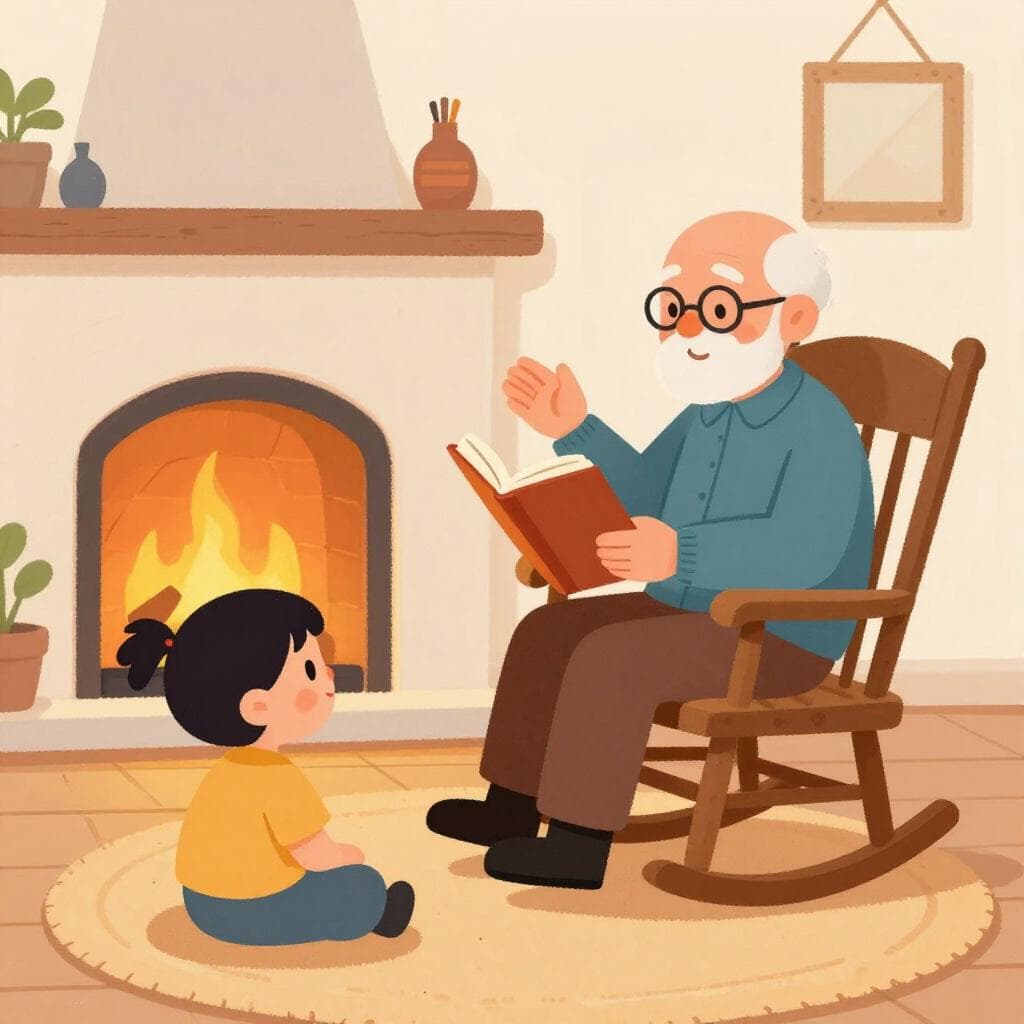
Choose 'narrativa' when discussing the overall style, structure, or the body of stories created by an author or within a particular genre.
Learn more →Use 'ficción' specifically when talking about fictional stories as a genre or the art of creating imaginary tales, rather than the act of telling them.
Learn more →narración
Examples
La narración del abuelo sobre sus aventuras de juventud era fascinante.
Grandfather's narration of his youthful adventures was fascinating.
nah-rah-TEE-bahna.raˈti.βa

Examples
La narrativa de Gabriel García Márquez es conocida por su realismo mágico.
Gabriel García Márquez's storytelling is known for its magical realism.
La narrativa de este autor es muy descriptiva.
This author's storytelling is very descriptive.
Estamos estudiando la narrativa española del siglo XX.
We are studying 20th-century Spanish fiction.
La estructura narrativa de la película es innovadora.
The movie's narrative structure is innovative.
Always Feminine
Even though it refers to a genre or style, 'narrativa' is always a feminine noun. You must use 'la' or 'una' with it.
Group vs. Individual
While 'un cuento' is one single story, 'la narrativa' usually refers to storytelling as a whole or a collection of works.
Narrativa vs. Historia
Mistake: “Me gusta la narrativa que me contaste.”
Correction: Me gusta la historia que me contaste. Use 'historia' for a specific plot or event, and 'narrativa' for the style of storytelling or the literary genre.
ficción
Examples
Me encanta perderme en mundos de ficción durante horas.
I love getting lost in worlds of fiction for hours.
Narración vs. Narrativa
Learners often confuse 'narración' and 'narrativa'. Remember that 'narración' is the act of telling a specific story, while 'narrativa' refers to the broader style or genre of storytelling.
Related Translations
Learn Spanish with Inklingo
Interactive stories, personalized learning, and more.