How to Say "narrative" in Spanish
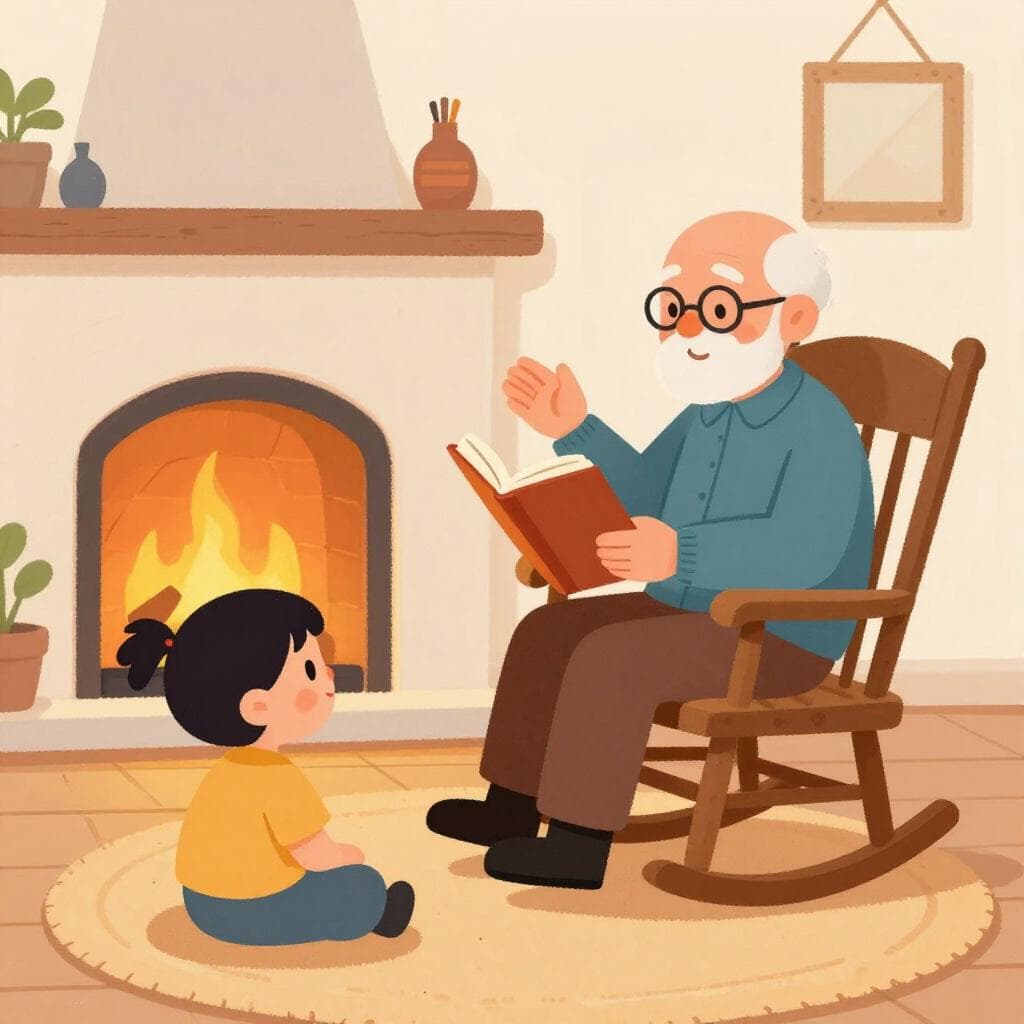
The most common Spanish word for “narrative” is “relato” — use 'relato' when you mean a short story, a tale, or simply the way a story is told, often in a more informal or personal context.

relato
re-LAH-tohreˈlato

Examples
Escribí un relato sobre mis vacaciones.
I wrote a story about my vacation.
El testigo dio un relato detallado del accidente.
The witness gave a detailed account of the accident.
Me encantan los relatos de misterio.
I love mystery stories.
Gender of 'Relato'
This word is masculine, so you always use 'el' or 'un' with it. For example, 'el relato' (the story).
'Relato' vs. 'Historia'
While both can mean 'story,' a 'relato' is usually a shorter, more specific piece of writing or a specific person's version of an event.
Using 'Relato' for Business Reports
Mistake: “Hice un relato para mi jefe.”
Correction: Hice un informe para mi jefe.
narración
Examples
Su narración de los hechos fue aceptada por el juez.
His account of the events was accepted by the judge.
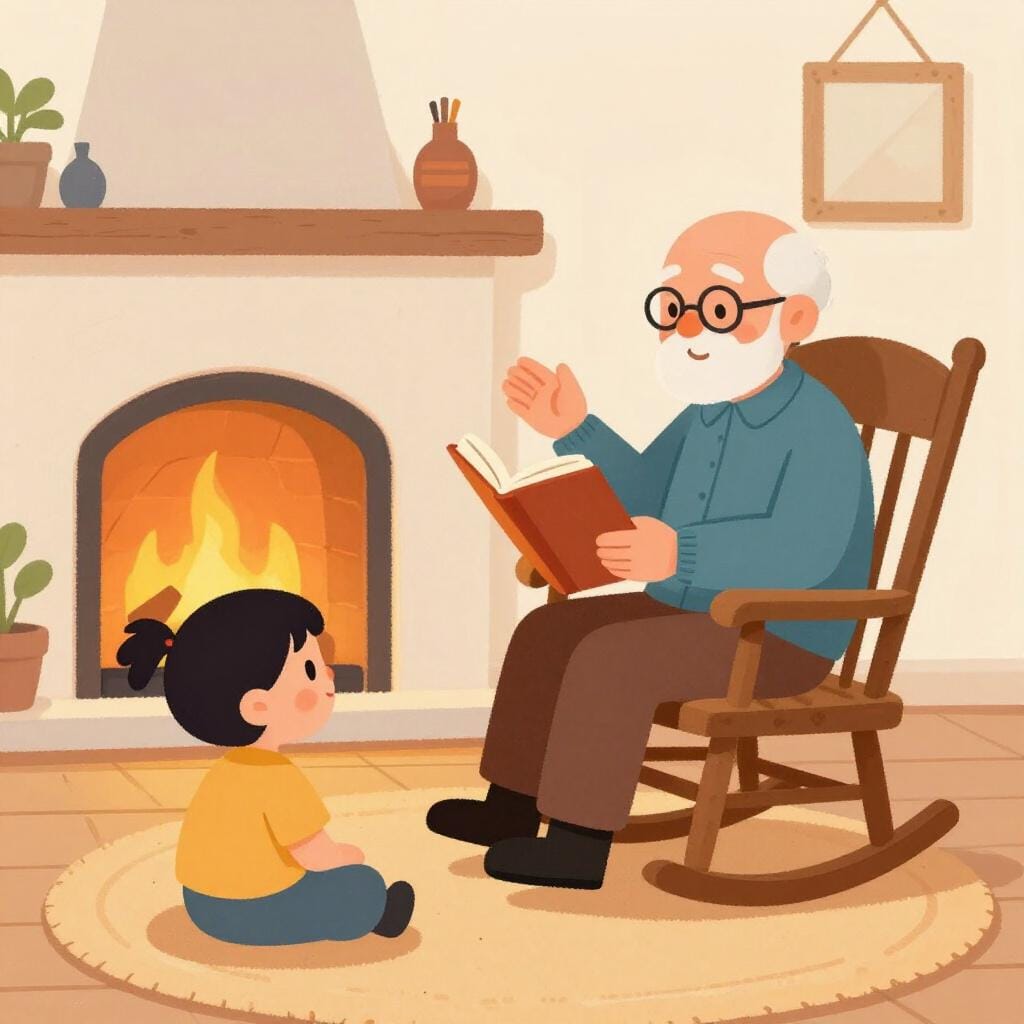
narrativa
nah-rah-TEE-bahna.raˈti.βa
Examples
La narrativa de este autor es muy descriptiva.
This author's storytelling is very descriptive.
Estamos estudiando la narrativa española del siglo XX.
We are studying 20th-century Spanish fiction.
La estructura narrativa de la película es innovadora.
The movie's narrative structure is innovative.
Es difícil cambiar la narrativa política actual.
It is difficult to change the current political narrative.
Always Feminine
Even though it refers to a genre or style, 'narrativa' is always a feminine noun. You must use 'la' or 'una' with it.
Group vs. Individual
While 'un cuento' is one single story, 'la narrativa' usually refers to storytelling as a whole or a collection of works.
Abstract Usage
In this sense, the word describes the 'angle' or 'spin' someone puts on a story, rather than a book.
Gender Agreement
This is the feminine form of 'narrativo'. Use it only with feminine nouns like 'voz', 'técnica', or 'obra'.
Narrativa vs. Historia
Mistake: “Me gusta la narrativa que me contaste.”
Correction: Me gusta la historia que me contaste. Use 'historia' for a specific plot or event, and 'narrativa' for the style of storytelling or the literary genre.
Gender mismatch
Mistake: “un estilo narrativa”
Correction: un estilo narrativo
narrativa
nah-rah-TEE-bahna.raˈti.βa
Examples
La técnica narrativa es impecable.
The narrative technique is flawless.
La narrativa de este autor es muy descriptiva.
This author's storytelling is very descriptive.
Estamos estudiando la narrativa española del siglo XX.
We are studying 20th-century Spanish fiction.
La estructura narrativa de la película es innovadora.
The movie's narrative structure is innovative.
Always Feminine
Even though it refers to a genre or style, 'narrativa' is always a feminine noun. You must use 'la' or 'una' with it.
Group vs. Individual
While 'un cuento' is one single story, 'la narrativa' usually refers to storytelling as a whole or a collection of works.
Abstract Usage
In this sense, the word describes the 'angle' or 'spin' someone puts on a story, rather than a book.
Gender Agreement
This is the feminine form of 'narrativo'. Use it only with feminine nouns like 'voz', 'técnica', or 'obra'.
Narrativa vs. Historia
Mistake: “Me gusta la narrativa que me contaste.”
Correction: Me gusta la historia que me contaste. Use 'historia' for a specific plot or event, and 'narrativa' for the style of storytelling or the literary genre.
Gender mismatch
Mistake: “un estilo narrativa”
Correction: un estilo narrativo
Distinguishing 'Narración' and 'Narrativa'
Related Translations
Learn Spanish with Inklingo
Interactive stories, personalized learning, and more.