How to Say "stuff" in Spanish
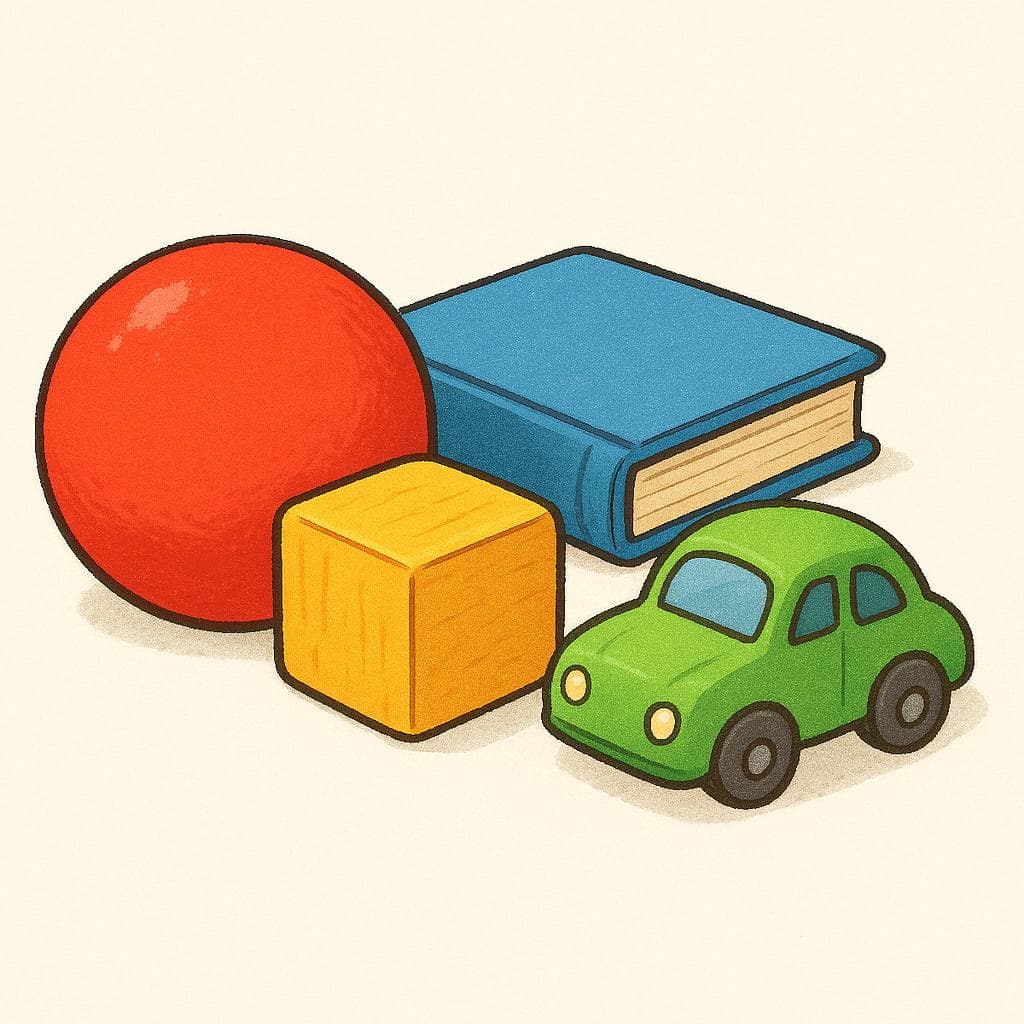
The most common Spanish word for “stuff” is “cosa” — use 'cosa' for general, unspecified items or things, similar to 'thing' or 'stuff' in English when you don't know or care about the specific name.


cosa
KOH-sahˈkosa

Examples
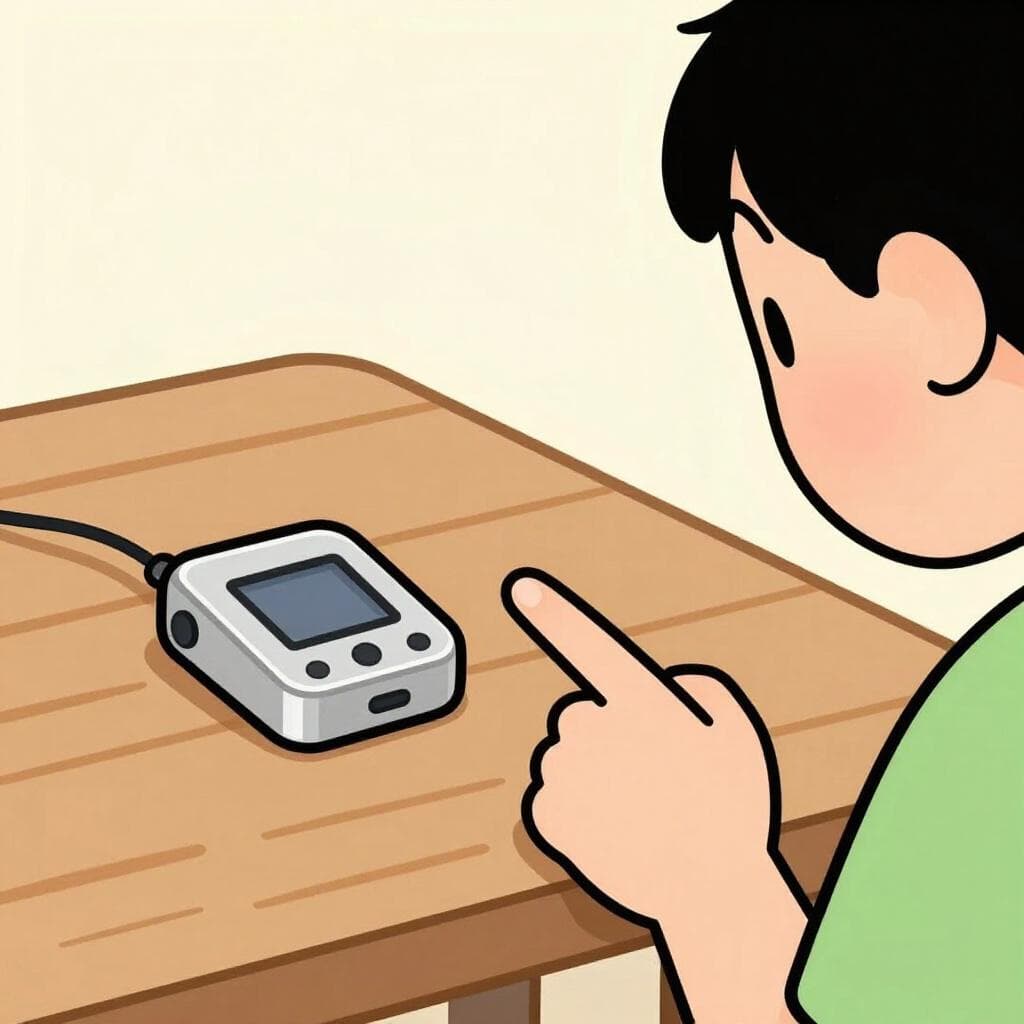
¿Qué es esa cosa en la mesa?
What is that thing on the table?
Tengo muchas cosas que hacer hoy.
I have many things to do today.
Dame esa cosa, por favor.
Give me that thing, please.
Always Feminine
'Cosa' is always a feminine word. That means you'll always say 'la cosa' (the thing) or 'una cosa' (a thing), never 'el' or 'un'.
Overusing 'Cosa'
Mistake: “Using 'cosa' for everything when a more specific word exists.”
Correction: While 'cosa' is your best friend when you forget a word, try to learn specific nouns. For example, instead of 'Pásame esa cosa para escribir', say 'Pásame el bolígrafo' (Pass me the pen).
material
mah-teh-ree-AHLma.teˈɾjal
Examples
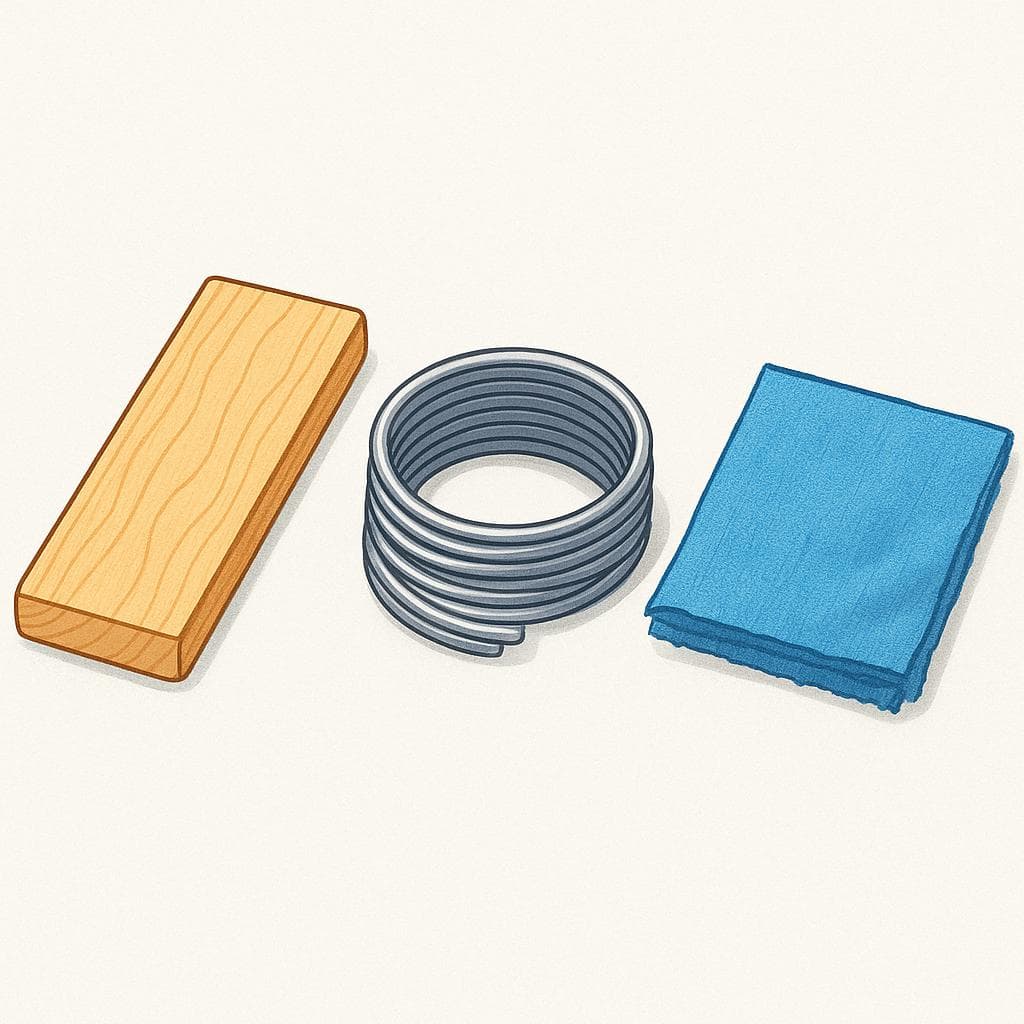
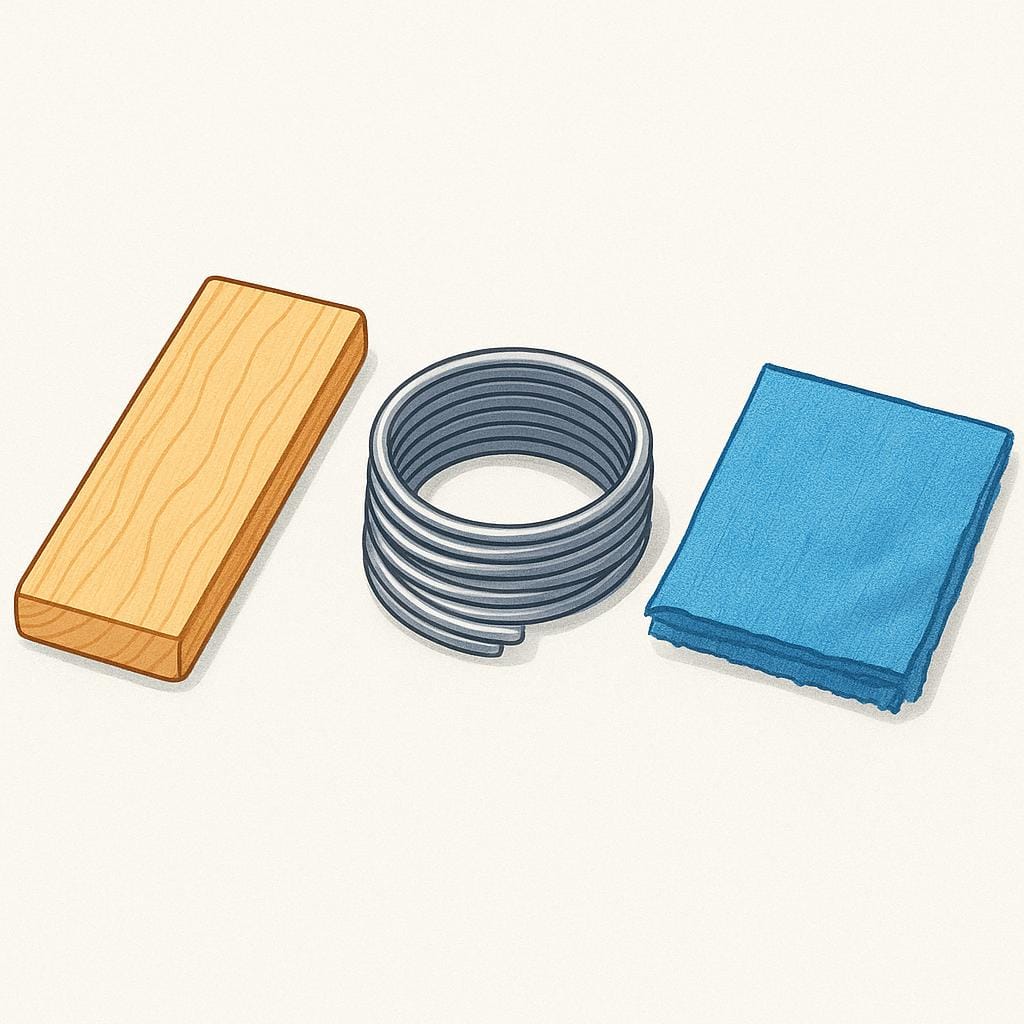
Necesito comprar material escolar para el niño.
I need to buy school supplies for the child.
Este material es muy resistente al agua.
This material is very water resistant.
El carpintero tiene todo el material listo para empezar la obra.
The carpenter has all the equipment ready to start the work.
Gender Check
Even though it ends in -al, 'material' is a masculine noun. Always use 'el material' or 'un material'.
Using 'Materiales' for Everything
Mistake: “¿Tienes el material para el proyecto?”
Correction: When talking about general 'supplies' or 'stuff,' use the singular 'el material.' Use the plural 'los materiales' only if you mean distinct types of materials (e.g., 'madera y metal son materiales').
vain
BYE-nahˈbeina
Examples
¿Qué es esa vaina que tienes en la mano?
What is that thing you have in your hand?
¡Qué vaina! Se me olvidaron las llaves en casa.
What a pain! I forgot my keys at home.
No me vengas con esa vaina ahora.
Don't come to me with that nonsense right now.
The Ultimate Placeholder
In many Caribbean and South American countries, this word replaces almost any noun when you can't remember the name or are being casual.
Emotional Context
This word changes meaning based on your tone. It can be neutral ('that thing'), annoyed ('that mess'), or even positive depending on the context.
Using it in Formal Settings
Mistake: “Saying 'La vaina es importante' in a business meeting.”
Correction: Use 'El asunto' or 'El tema' in professional environments. 'Vaina' is very casual and can sound unpolished or even rude in formal contexts.
madre
MA-dresˈma.ðɾes
Examples
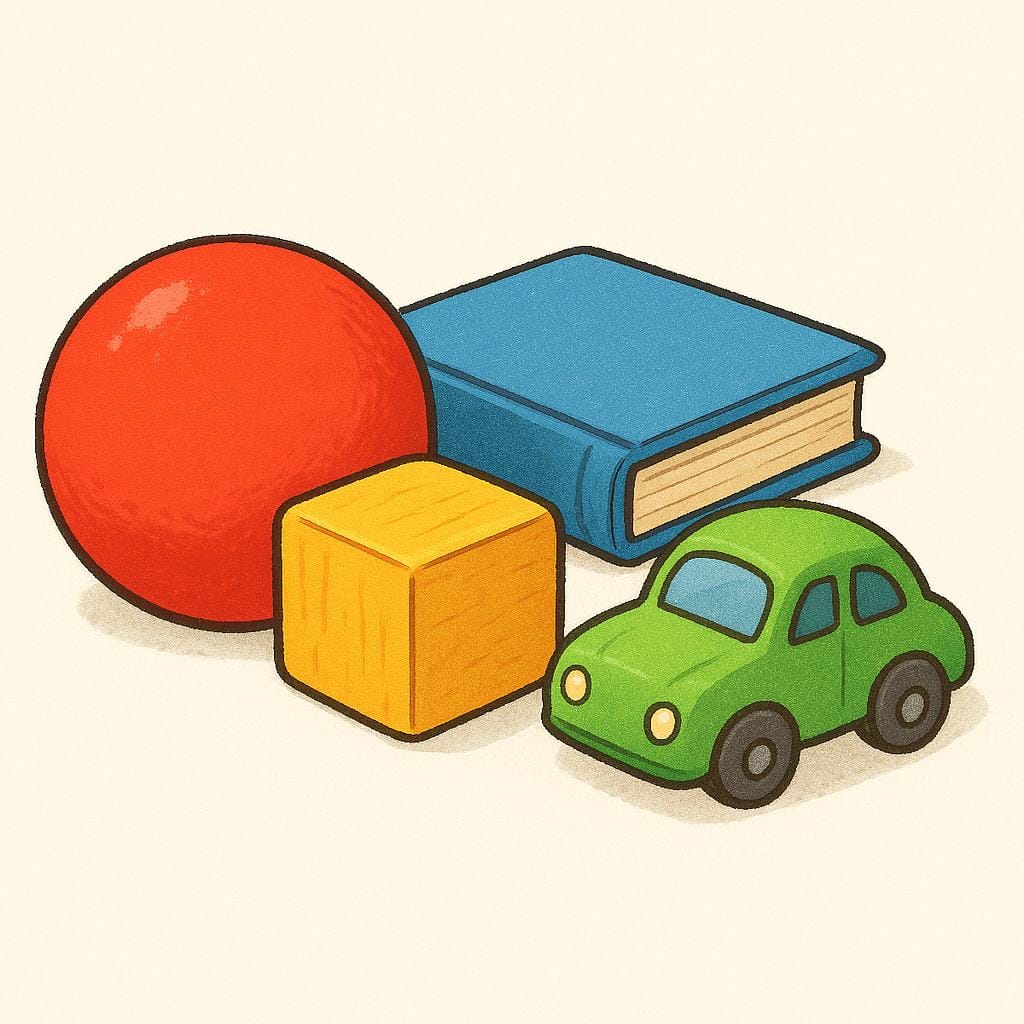
Quita esas madres de mi escritorio, por favor.
Take that stuff off my desk, please.
¿Qué madres estás haciendo aquí?
What the heck are you doing here?
No sé cómo funciona esta madre.
I don't know how this thing works. (Note: often used in singular 'madre' for 'thing')
Generic Placeholder
In Mexico, 'madres' (or the singular 'madre') often replaces words like 'cosa' (thing) or 'asunto' (matter) when speaking very casually.
madera
mah-DEH-rahmaˈðeɾa
Examples
Este joven tiene madera de campeón.
This young person has the makings of a champion.
Creo que tienes madera para ser un gran jefe.
I think you have the potential to be a great boss.
Al principio dudaba, pero demostró tener mucha madera para el baile.
At first, I doubted it, but she showed she had a lot of talent for dancing.
Figurative Use
This meaning is almost always used in the construction 'tener madera de...' (to have the wood/stuff of...) followed by the role or goal, like 'campeón' or 'artista'.
Using 'la' or 'una'
Mistake: “Decir 'Tiene la madera para ser doctor.'”
Correction: When used figuratively, 'madera' usually does NOT take the definite article 'la'. Say: 'Tiene madera para ser doctor.' (He has the potential to be a doctor).
volado
bo-LAH-doboˈlaðo
Examples
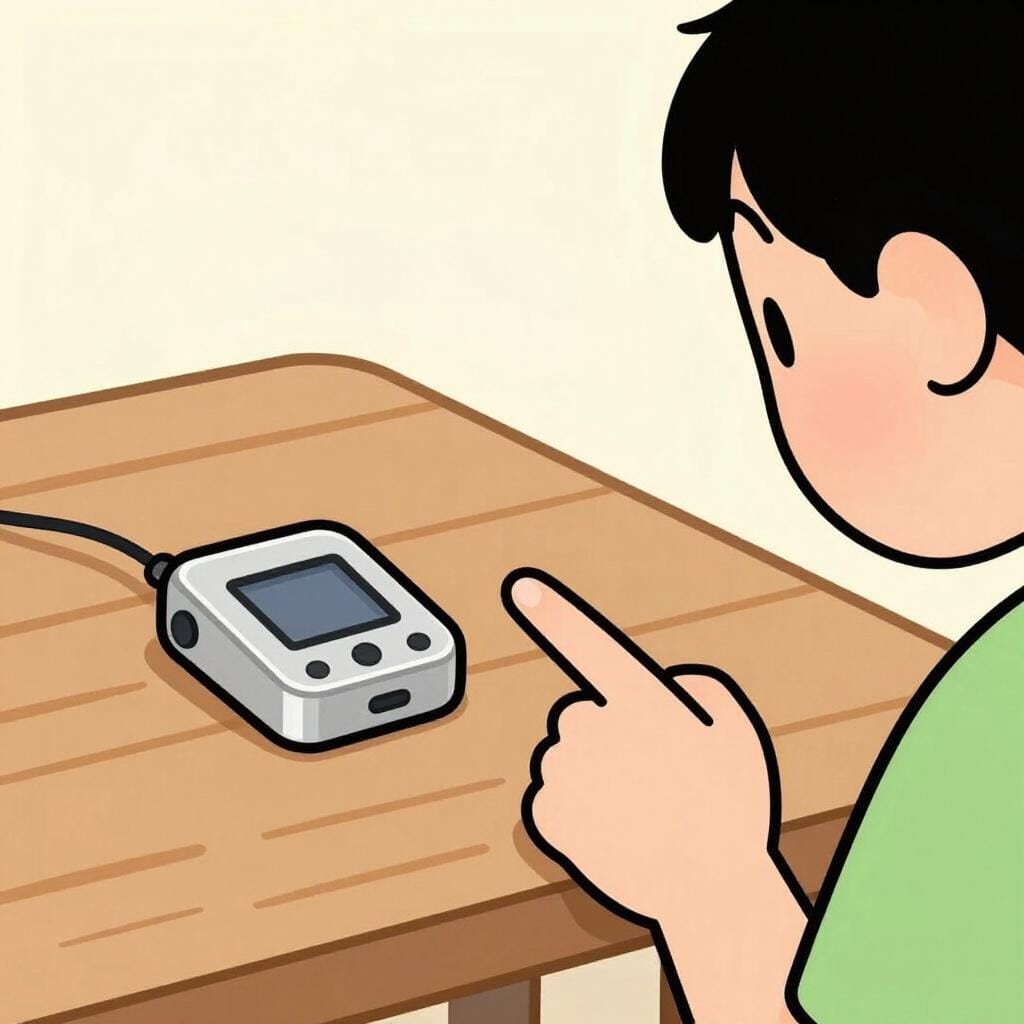
¿Cómo se llama ese volado para abrir las latas?
What do you call that thingy for opening cans?
Choosing between 'cosa' and 'vaina'
Related Translations
Learn Spanish with Inklingo
Interactive stories, personalized learning, and more.