How to Say "tenant farmer" in Spanish
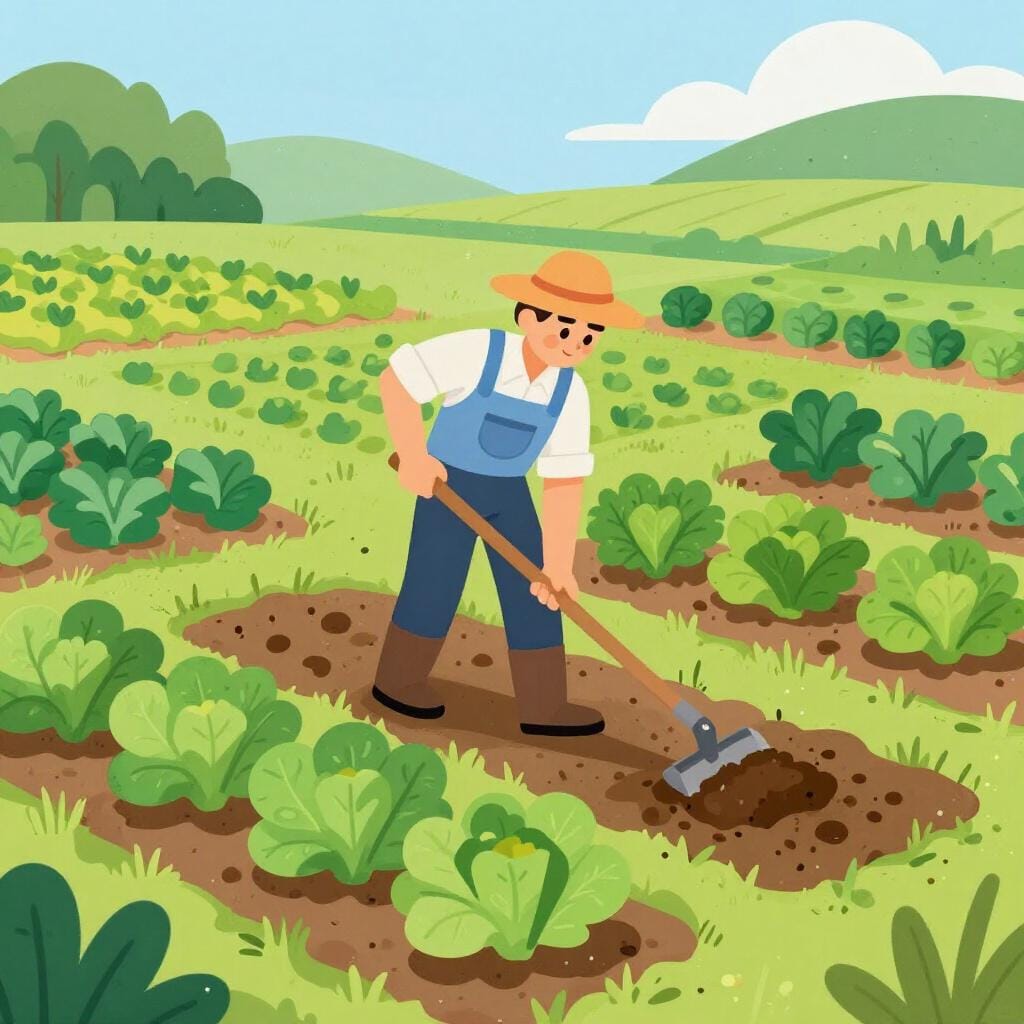
The most common Spanish word for “tenant farmer” is “colono” — use 'colono' when referring to a tenant farmer in a general sense, particularly in modern contexts, or when the focus is on the agricultural work and rent paid to the landowner.
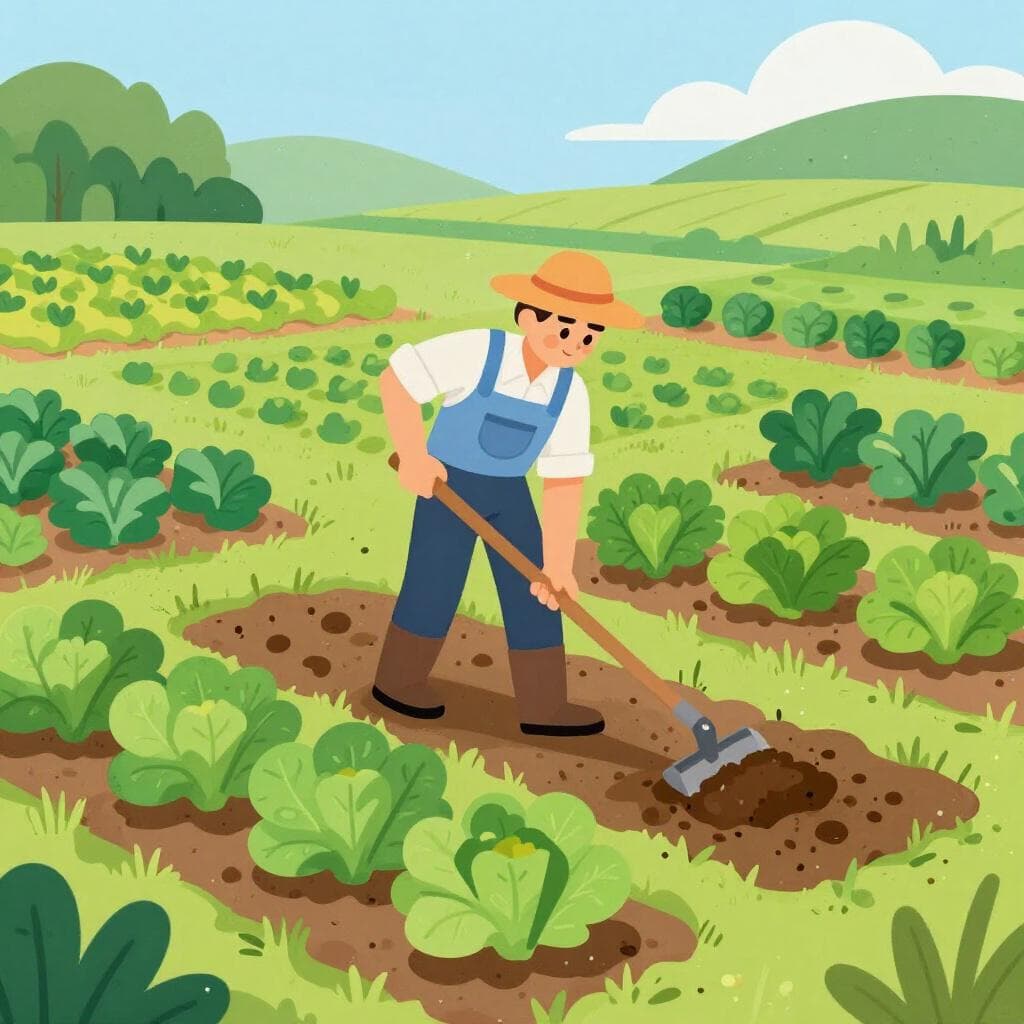
Use 'colono' when referring to a tenant farmer in a general sense, particularly in modern contexts, or when the focus is on the agricultural work and rent paid to the landowner.
Learn more →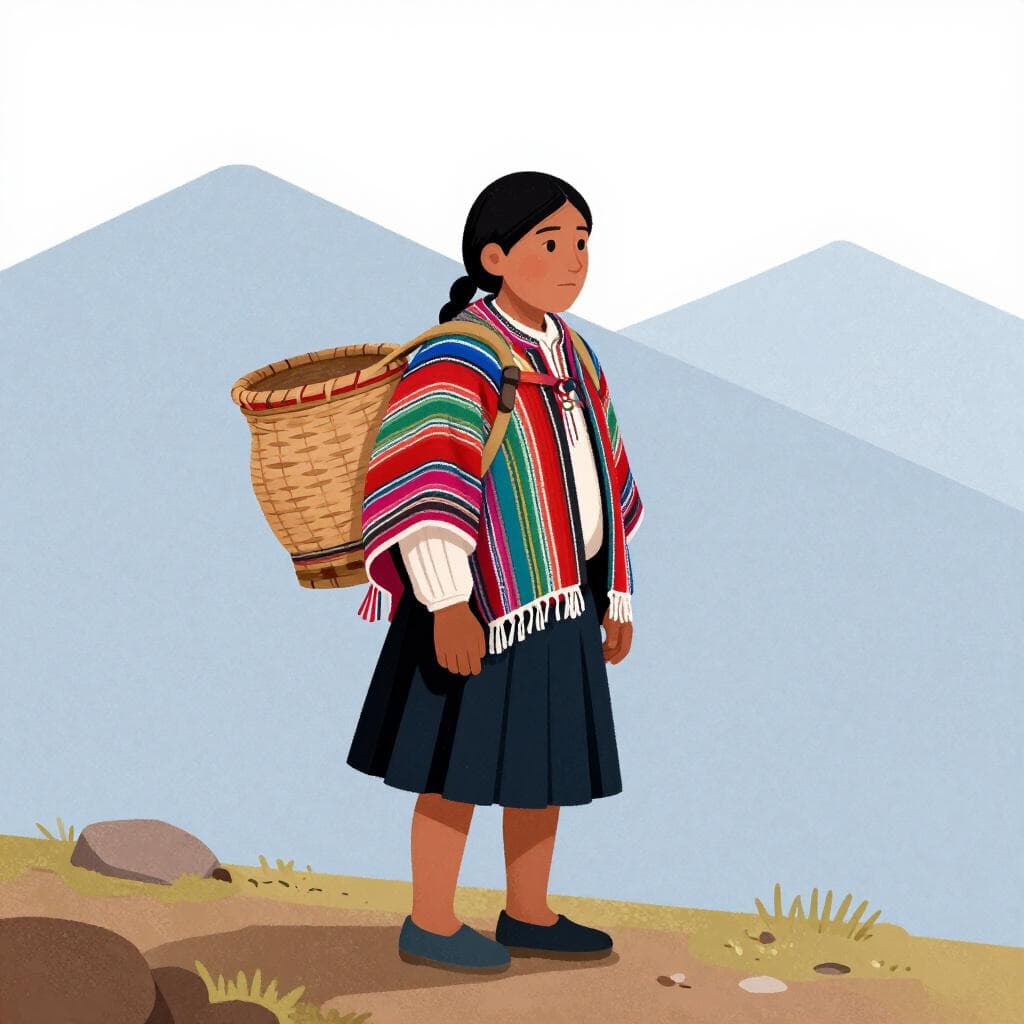
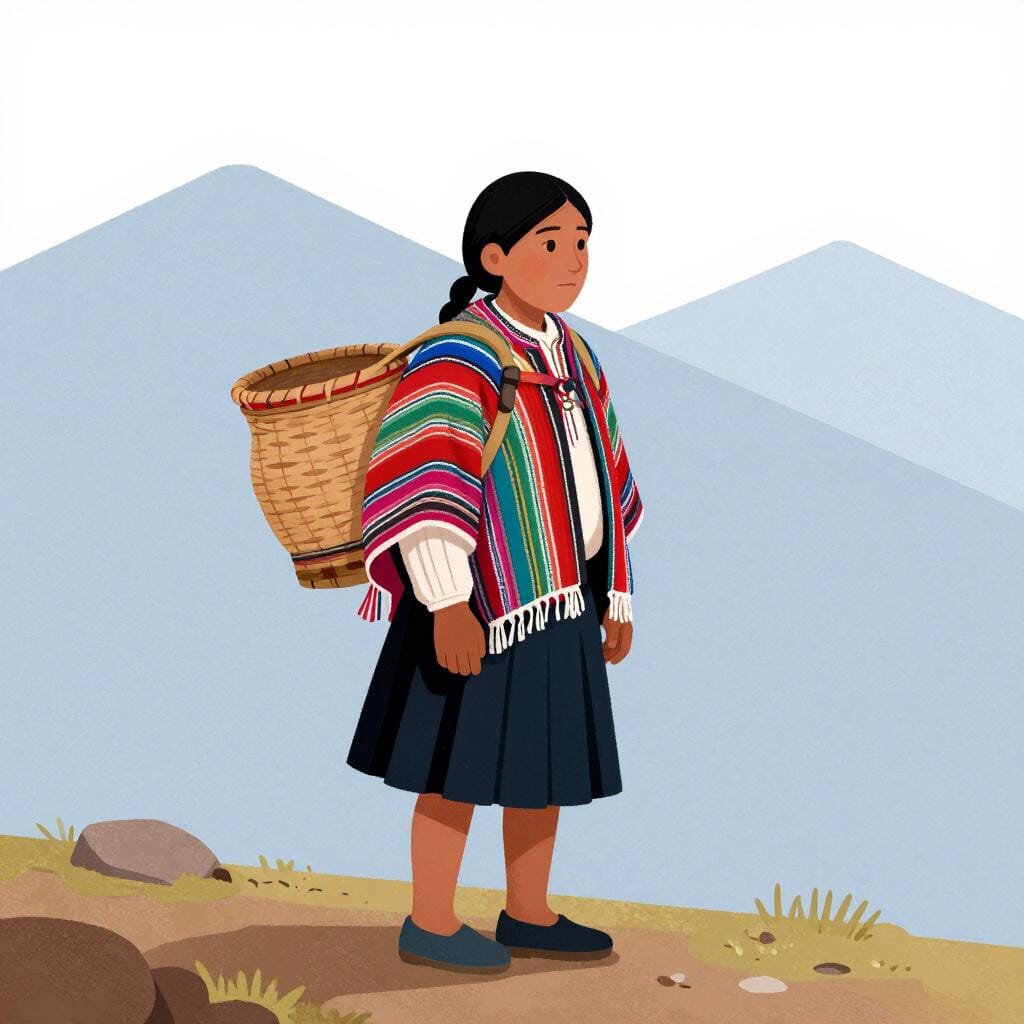
Use 'pongo' specifically when referring to the historical Andean system of unpaid labor or servitude owed by an indigenous person to a landowner in exchange for the right to farm a small plot of land.
Learn more →ko-LO-nokoˈlono
Examples
El colono trabajaba la tierra ajena a cambio de una parte de la cosecha.
The tenant farmer worked the land belonging to others in exchange for a share of the harvest.
El colono entregaba la mitad de su cosecha al dueño de la finca.
The tenant farmer gave half of his harvest to the farm owner.
Históricamente, el sistema de colonos era muy común en el campo.
Historically, the tenant farmer system was very common in the countryside.
Las leyes protegían el derecho del colono a cultivar la tierra.
The laws protected the tenant farmer's right to cultivate the land.
Specific Usage
This meaning is almost always used in historical or legal contexts regarding land ownership.
Thinking it means 'farmer' in general
Mistake: “Mi abuelo es un colono.”
Correction: Mi abuelo es granjero (or campesino).
PO-ngohˈpoŋ.ɡo
Examples
El sistema del pongo era una forma de servidumbre en las antiguas haciendas.
The pongo system was a form of servitude on old estates.
En las haciendas antiguas, el pongo debía servir a la familia del hacendado.
In the old estates, the pongo had to serve the landowner's family.
General vs. Specific Context
Learners often confuse 'colono' and 'pongo' by using 'pongo' outside of its specific historical and regional Andean context. Remember that 'colono' is the general term for a tenant farmer, while 'pongo' refers to a very particular labor system.
Related Translations
Learn Spanish with Inklingo
Interactive stories, personalized learning, and more.