How to Say "i put" in Spanish
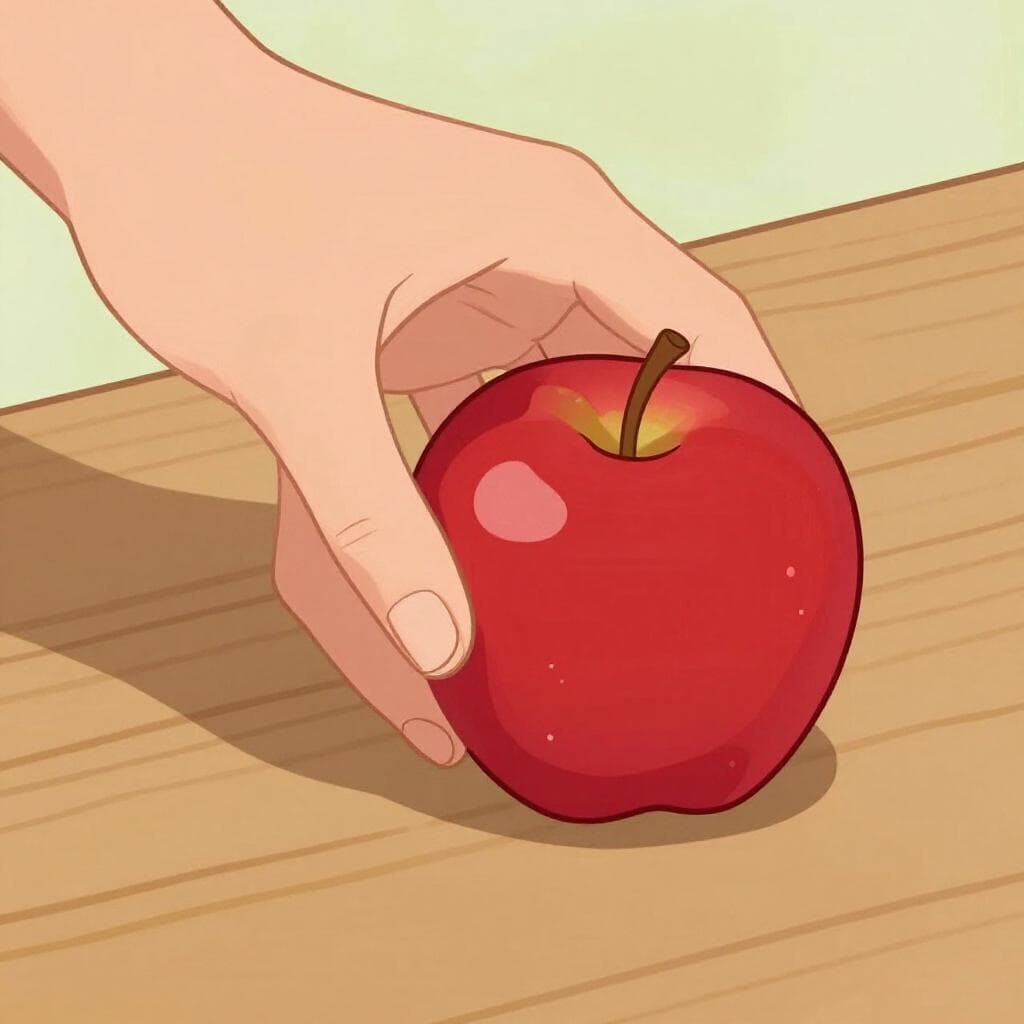
The most common Spanish word for “i put” is “pongo” — use 'pongo' when you are talking about the general action of placing something somewhere, often in the present tense as 'I put'.

pongo
PO-ngohˈpoŋ.ɡo

Examples
Yo pongo mi libro sobre la mesa.
I put my book on the table.
¿Dónde pongo las llaves?
Where do I put the keys?
Pongo mucho esfuerzo en mi trabajo.
I put a lot of effort into my job.
The Irregular 'Yo' Form
The verb 'poner' is irregular only in the 'yo' form of the present tense, where it adds a 'g' sound: 'pongo'. Memorize this form first!
Poner vs. Ponerse
Use 'pongo' when placing an object ('pongo el vaso'). Use 'me pongo' (the reflexive form) when changing state or putting on clothes ('me pongo el abrigo' or 'me pongo nervioso').
Missing the 'G'
Mistake: “Yo pono mi sombrero.”
Correction: Yo pongo mi sombrero. The correct form must include the 'go' ending.
puse
POO-sehˈpu.se

Examples
Puse la llave dentro del buzón como me pediste.
I put the key inside the mailbox as you asked me to.
Puse mi mochila al lado de la puerta.
I placed my backpack next to the door.
Irregular Preterite Form
"Puse" is the simple past ('preterite') form of 'poner' for 'I'. It is highly irregular and does not follow the standard verb pattern. Memorize 'puse', 'pusiste', 'puso', etc., as a unit.
Not Using the Irregular Stem
Mistake: “Yo poní (Incorrect attempt to use imperfect or regular -er ending)”
Correction: Yo puse. (The stem changes completely from PONE- to PUS- in the simple past.)
meto
MEH-tohˈme.to
Examples
Siempre meto las llaves en mi bolsillo trasero.
I always put the keys in my back pocket.
Meto la tarjeta en la ranura para pagar el peaje.
I insert the card into the slot to pay the toll.
The 'Yo' Form
'Meto' is the 'I' form of the verb 'meter' when you are describing a regular action happening right now or habitually.
Regular -ER Verb
'Meter' is a regular verb, meaning it follows the standard pattern for verbs that end in -er. This makes it easy to conjugate!
Meter vs. Poner
Mistake: “Using 'meter' when you mean 'poner' (general placement).”
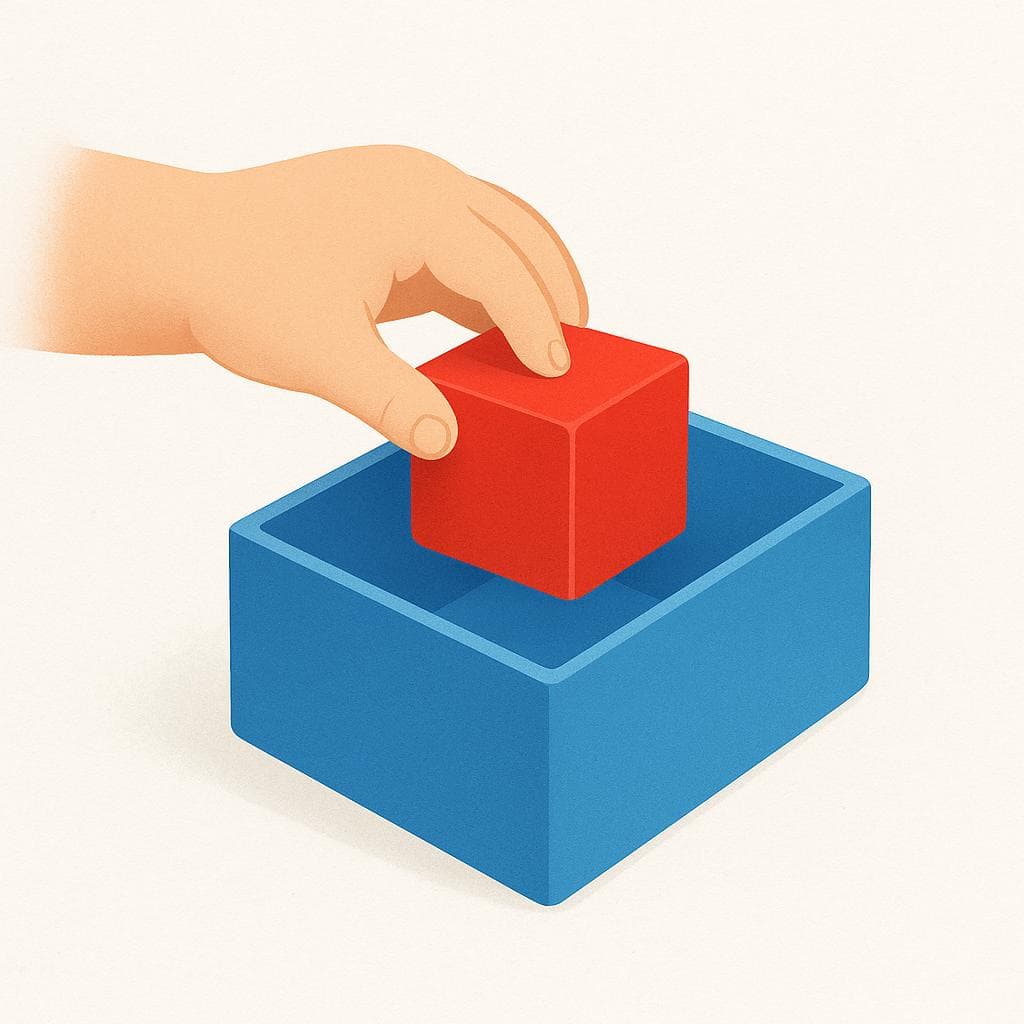
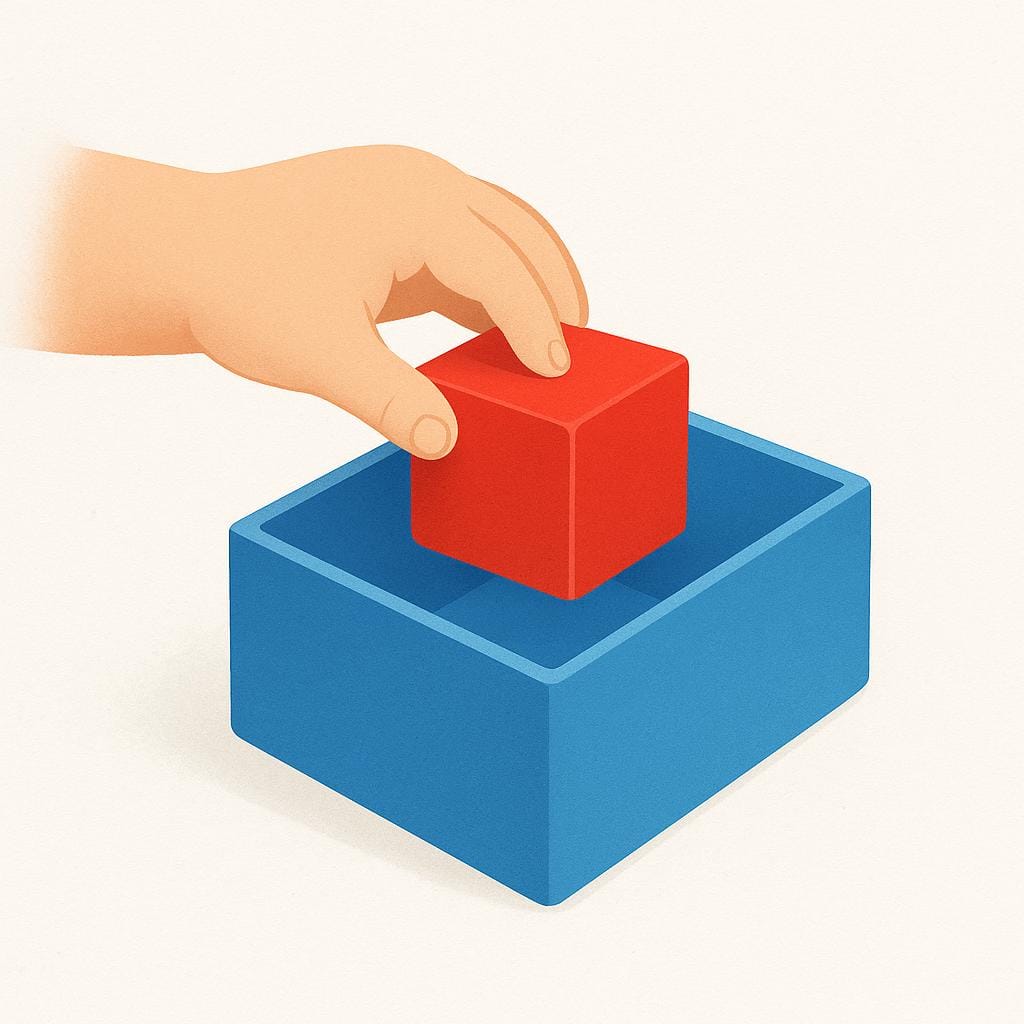
Correction: Use 'meter' specifically when placing something *inside* a container or space. Use 'poner' for placing something *on* a surface or in a general location ('Pongo el libro en la mesa').
Confusing 'pongo' and 'meto'
Related Translations
Learn Spanish with Inklingo
Interactive stories, personalized learning, and more.