How to Say "gorge" in Spanish
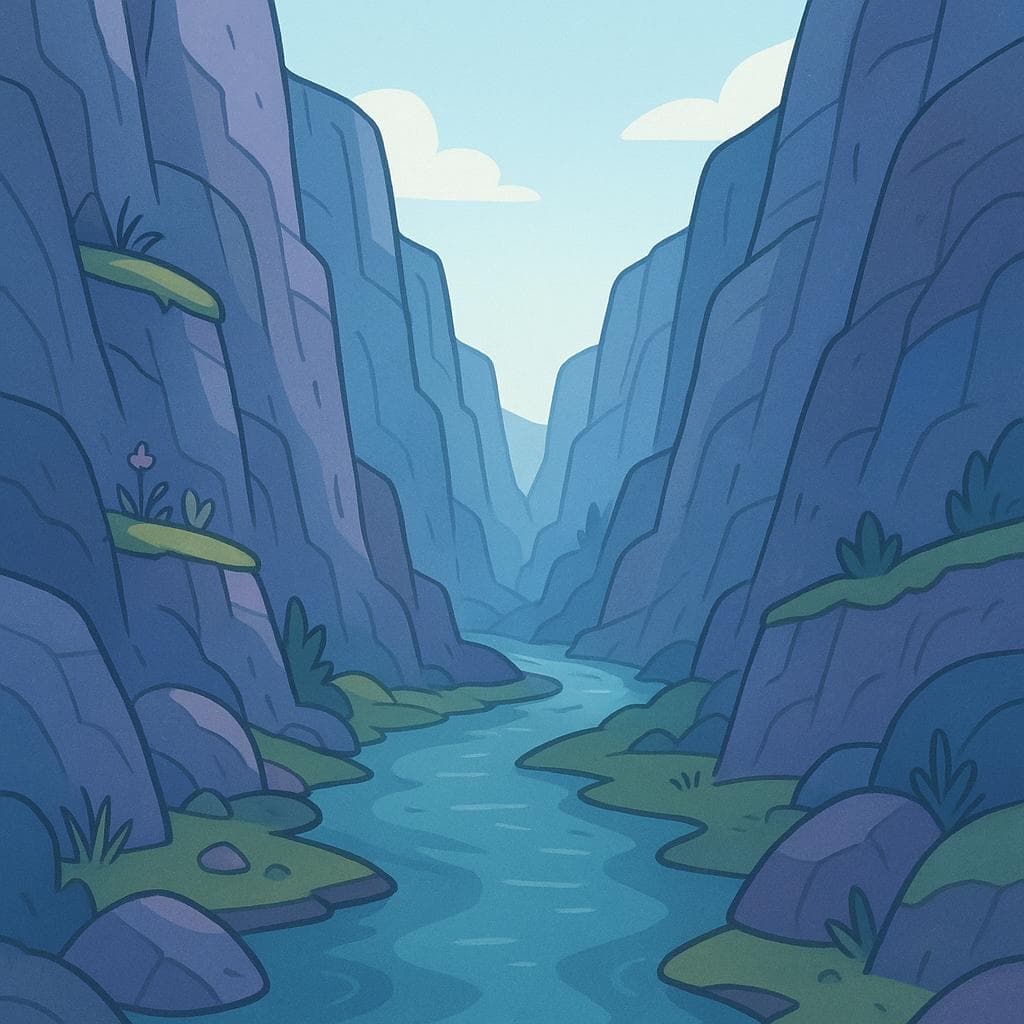
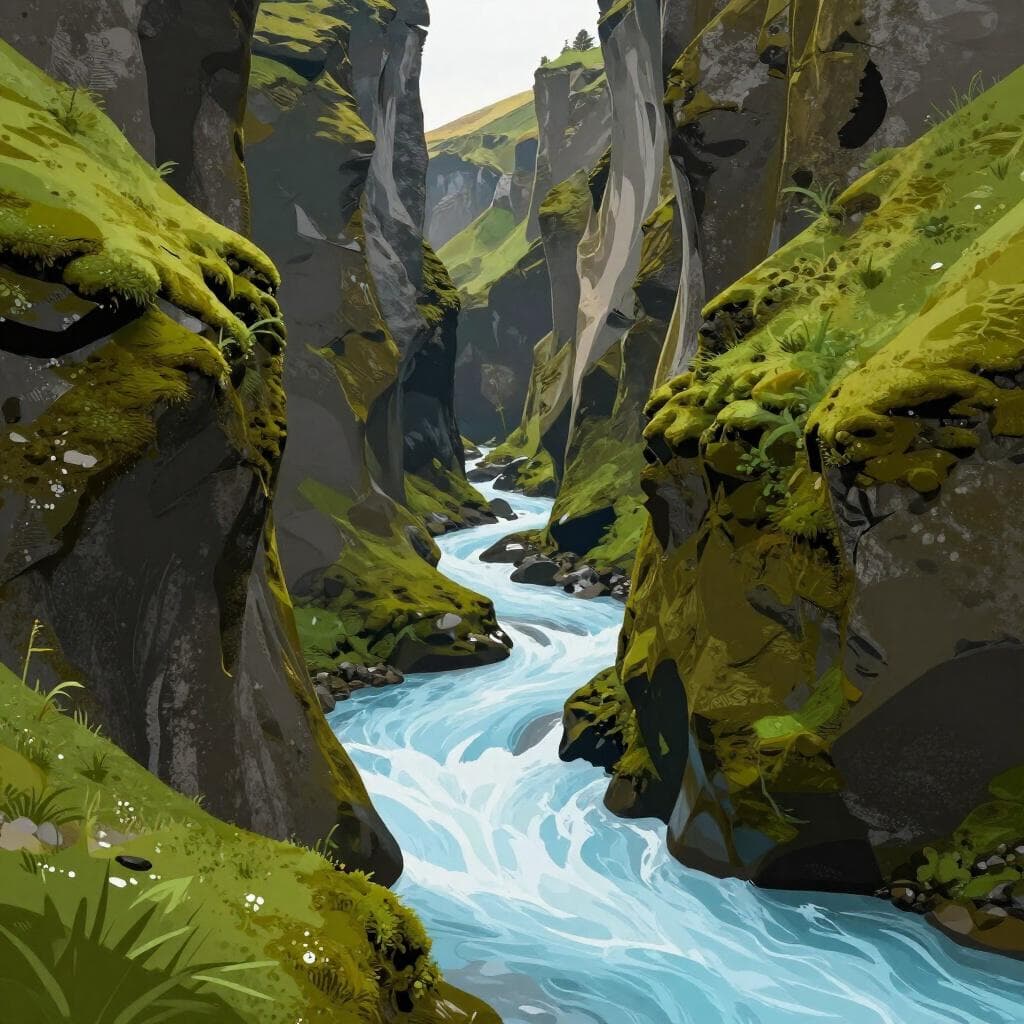
The most common Spanish word for “gorge” is “cañón” — use 'cañón' when referring to a large, deep valley, often carved by a river, similar to a canyon in English.
English → Spanish
cañón
nounB1general
Use 'cañón' when referring to a large, deep valley, often carved by a river, similar to a canyon in English.
Examples
Fuimos de excursión al cañón del río durante el verano.
We went hiking in the river canyon during the summer.
garganta
gar-GAN-tahɡaɾˈɣanta
nounB2general
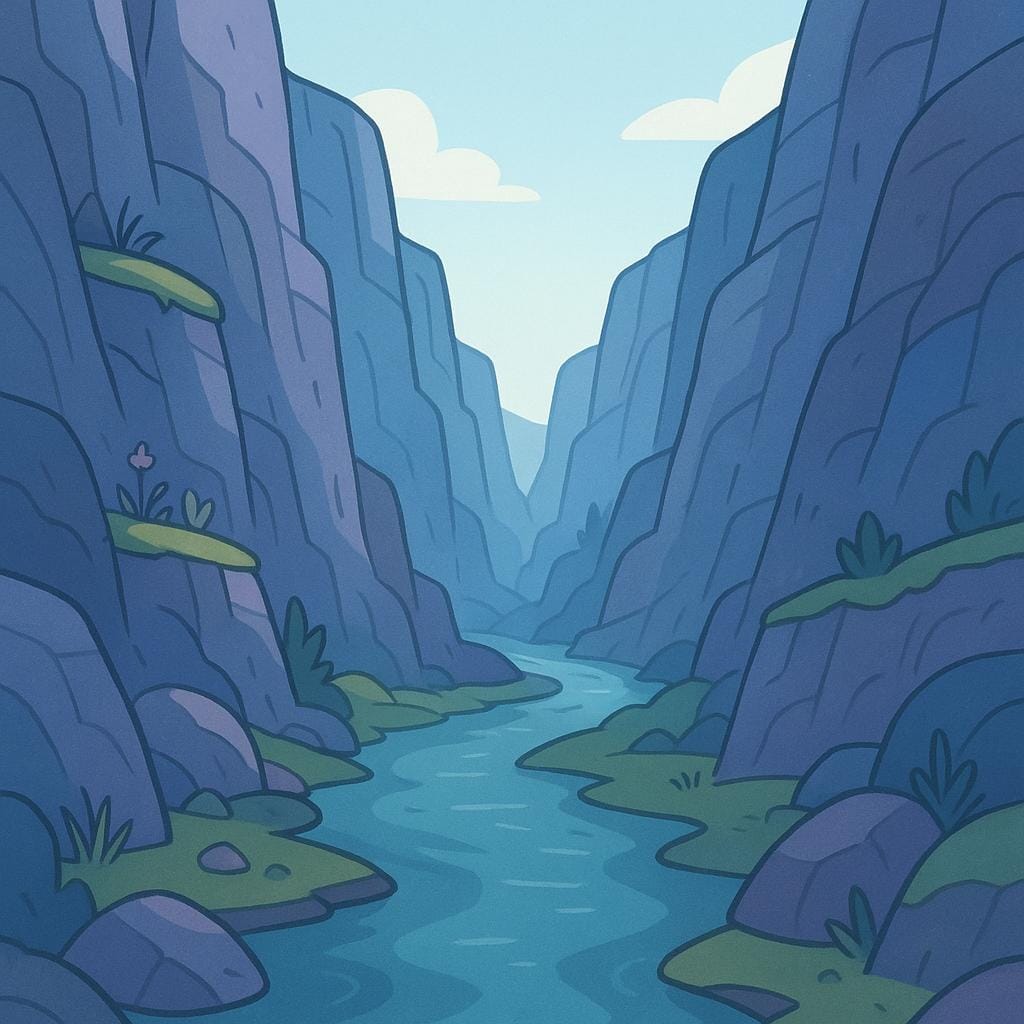
Choose 'garganta' for a narrow, often steep-sided valley or ravine, emphasizing its constricted nature.
Examples
Tuvimos que cruzar una garganta muy estrecha para llegar al valle.
We had to cross a very narrow gorge to reach the valley.
La garganta de la botella es demasiado pequeña para el cepillo.
The neck of the bottle is too small for the brush.
pongo
PO-ngohˈpoŋ.ɡo
nounC1geographic/specific
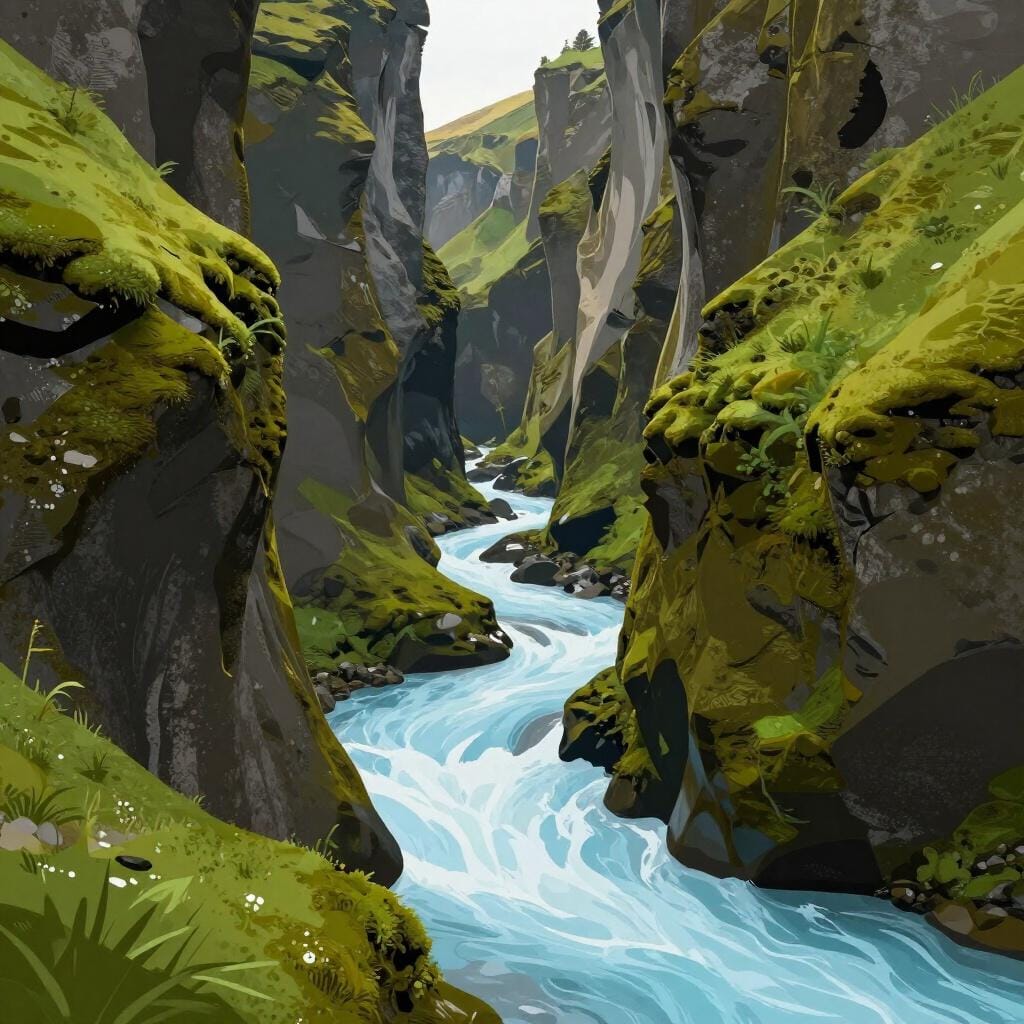
Use 'pongo' specifically for a narrow river canyon, often found in South America, particularly Peru.
Examples
El río Marañón atraviesa el famoso Pongo de Manseriche.
The Marañón River crosses the famous Manseriche Gorge.
Cañón vs. Garganta
Learners often confuse 'cañón' and 'garganta'. Remember that 'cañón' usually implies a larger, deeper feature, akin to an English canyon, while 'garganta' emphasizes a narrower, more constricted passage.
Related Translations
Learn Spanish with Inklingo
Interactive stories, personalized learning, and more.