pongo
“pongo” means “I put” in Spanish. It has 3 different meanings depending on context:

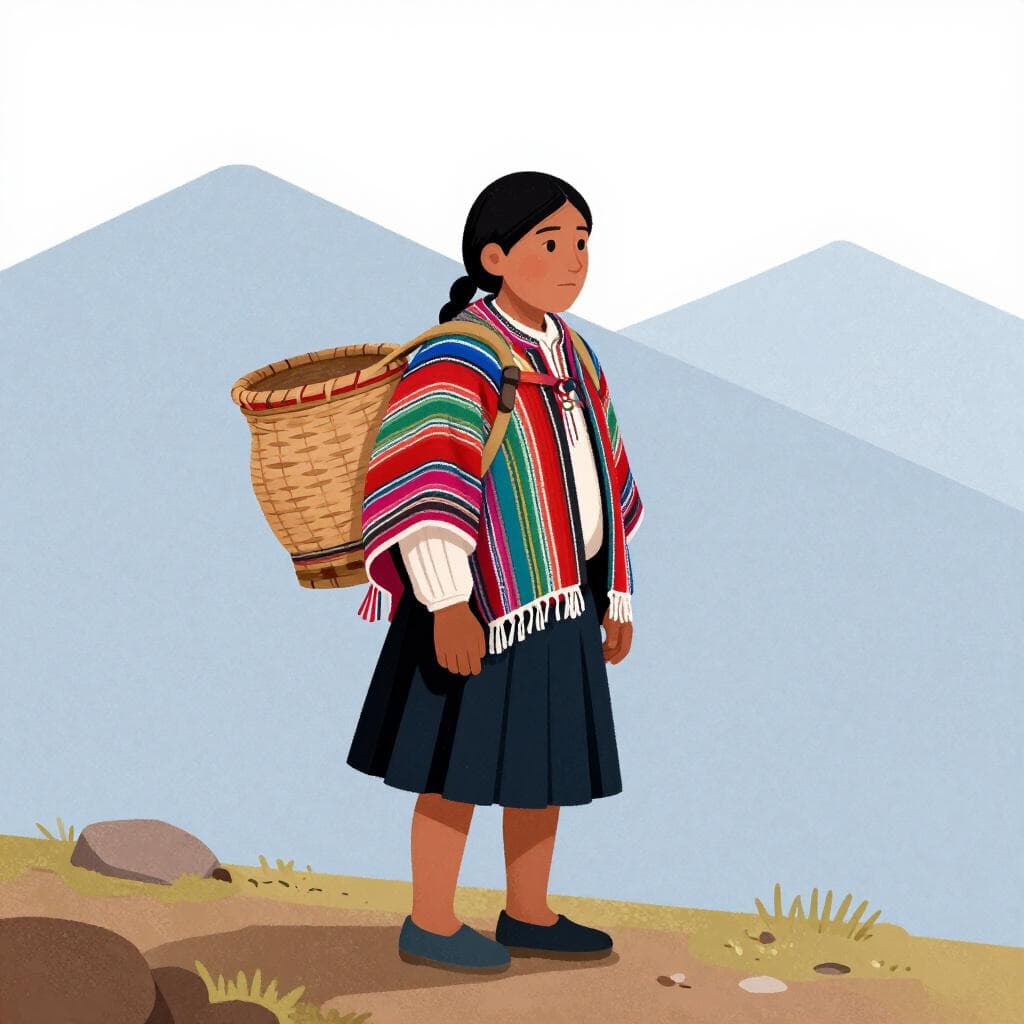

I put, I set
Also: I turn on, I contribute
📝 In Action
Yo pongo mi libro sobre la mesa.
A1I put my book on the table.
¿Dónde pongo las llaves?
A2Where do I put the keys?
Pongo mucho esfuerzo en mi trabajo.
B1I put a lot of effort into my job.
indigenous servant
Also: tenant farmer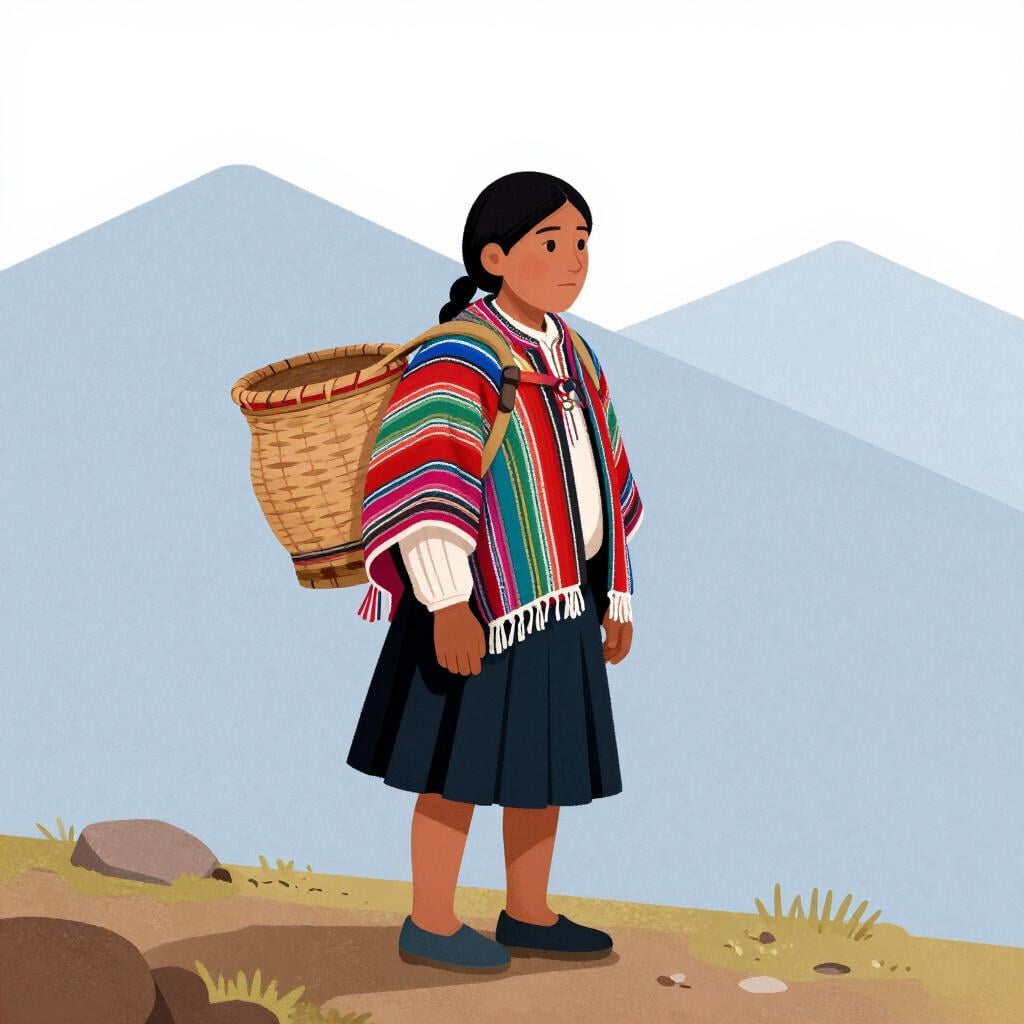
📝 In Action
En las haciendas antiguas, el pongo debía servir a la familia del hacendado.
C1In the old estates, the pongo had to serve the landowner's family.
gorge
Also: narrow pass
📝 In Action
El río Marañón atraviesa el famoso Pongo de Manseriche.
C2The Marañón River crosses the famous Manseriche Gorge.
Subjunctive
Imperfect Subjunctive
Present Subjunctive
Indicative
Preterite
Imperfect
Present
Translate to Spanish
Words that translate to "pongo" in Spanish:
gorge→i contribute→i put→i set→indigenous servant→narrow pass→tenant farmer→you place→✏️ Quick Practice
Quick Quiz: pongo
Question 1 of 2
Which sentence correctly uses 'pongo' as the first-person singular form of 'poner'?
📚 More Resources
👥 Word Family▼
🎵 Rhymes▼
📚 Etymology▼
The verb form 'pongo' comes from the highly irregular Latin verb *pōnĕre* (to put). The noun forms (worker and gorge) are believed to come from Quechua or Aymara languages of the Andes region, making them entirely separate words that just happen to sound the same.
First recorded: Verb: Latin origins date back to antiquity; Noun (Andean): Used regionally for centuries, appearing in Spanish texts describing the region in the 17th-18th centuries.
Cognates (Related words)
💡 Master Spanish
Take your Spanish to the next level. Read 200+ illustrated and narrated Spanish stories tailored to your level with the Inklingo app!
Frequently Asked Questions
Why is 'pongo' so irregular compared to other verbs?
The verb 'poner' (and therefore 'pongo') is irregular because it inherited a strong pattern from its Latin root, which changed the way the 'yo' form is created. Instead of the expected 'pono', it uses the 'go' ending, similar to other common irregular verbs like 'tengo' (from tener) and 'salgo' (from salir).
How do I know if someone means 'I put' or the regional noun?
Context is everything. If the sentence is about action or placement ('pongo la sal'), it's the verb. If the sentence mentions historical labor, geography, or specific regions like Peru or Bolivia, it is likely the noun, especially if preceded by 'el' (el pongo).