How to Say "i set" in Spanish
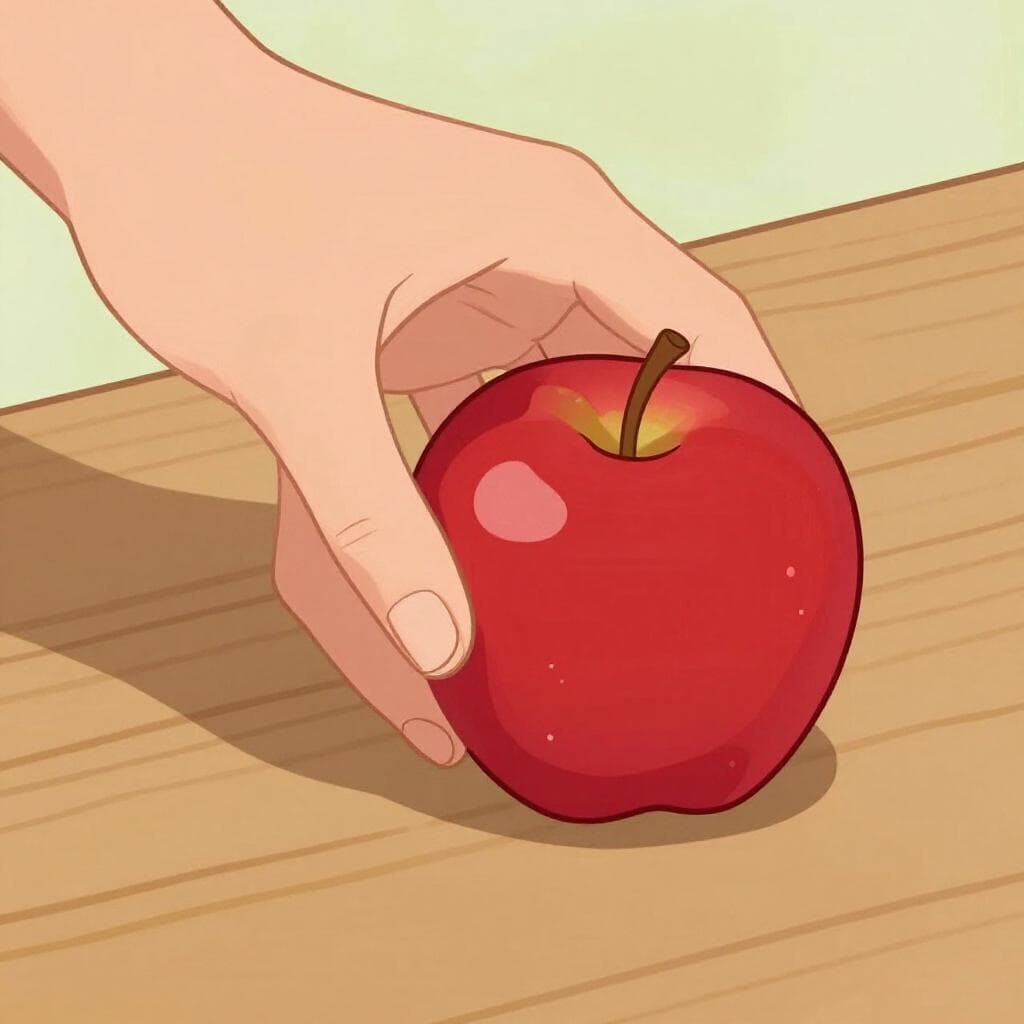
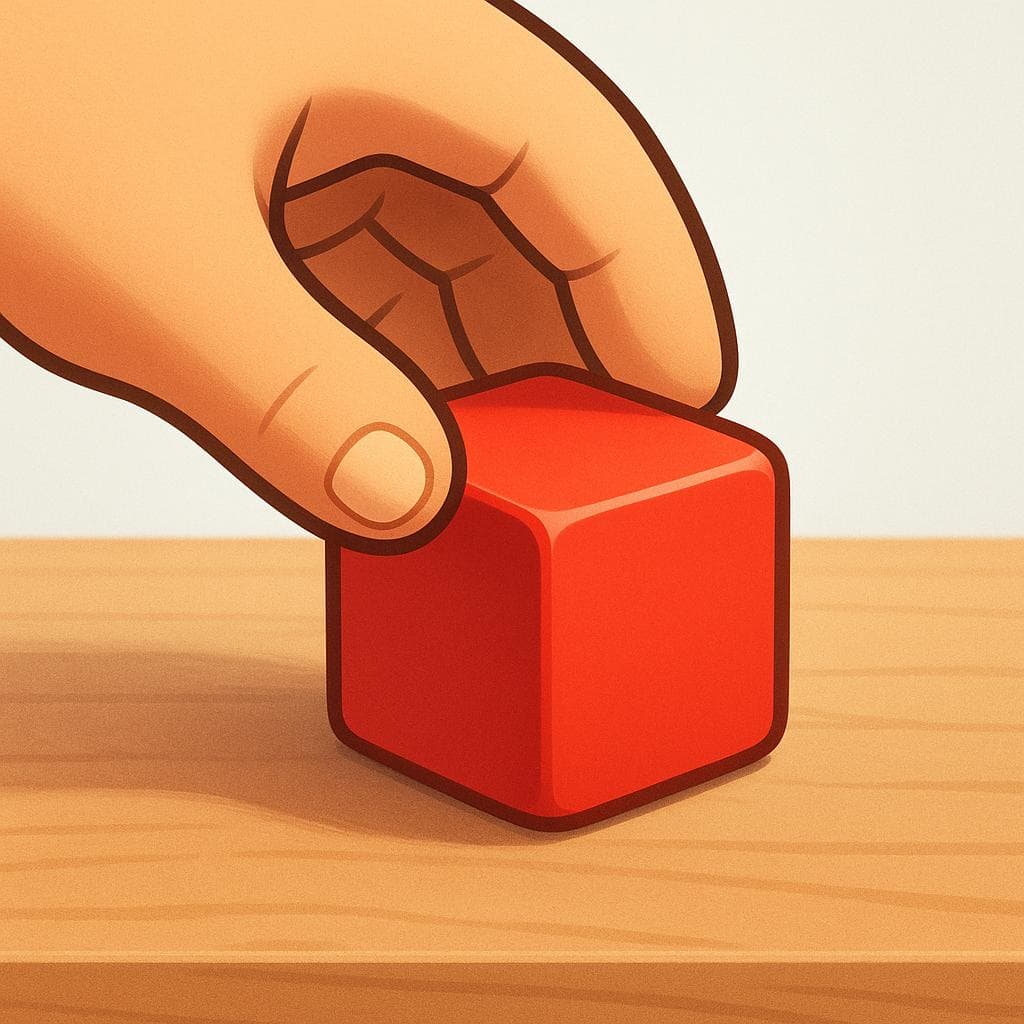
The most common Spanish word for “i set” is “pongo” — use 'pongo' when referring to the action of placing or arranging items, like setting a table or putting something down.

pongo
PO-ngohˈpoŋ.ɡo

Examples
Yo pongo la mesa para la cena.
I set the table for dinner.
Yo pongo mi libro sobre la mesa.
I put my book on the table.
¿Dónde pongo las llaves?
Where do I put the keys?
Pongo mucho esfuerzo en mi trabajo.
I put a lot of effort into my job.
The Irregular 'Yo' Form
The verb 'poner' is irregular only in the 'yo' form of the present tense, where it adds a 'g' sound: 'pongo'. Memorize this form first!
Poner vs. Ponerse
Use 'pongo' when placing an object ('pongo el vaso'). Use 'me pongo' (the reflexive form) when changing state or putting on clothes ('me pongo el abrigo' or 'me pongo nervioso').
Missing the 'G'
Mistake: “Yo pono mi sombrero.”
Correction: Yo pongo mi sombrero. The correct form must include the 'go' ending.
puse
POO-sehˈpu.se
Examples
Puse mi abrigo en la silla.
I set my coat on the chair.
Puse la llave dentro del buzón como me pediste.
I put the key inside the mailbox as you asked me to.
Puse mi mochila al lado de la puerta.
I placed my backpack next to the door.
Puse una fecha límite estricta para el proyecto.
I set a strict deadline for the project.
Irregular Preterite Form
"Puse" is the simple past ('preterite') form of 'poner' for 'I'. It is highly irregular and does not follow the standard verb pattern. Memorize 'puse', 'pusiste', 'puso', etc., as a unit.
Meaning Shift (Assignment)
This meaning is an extension of 'placing' something—you are 'placing' a rule or a number (grade) onto a situation or person.
Not Using the Irregular Stem
Mistake: “Yo poní (Incorrect attempt to use imperfect or regular -er ending)”
Correction: Yo puse. (The stem changes completely from PONE- to PUS- in the simple past.)
marco
MAHR-kohˈmaɾko

Examples
El entrenador marca el ritmo de la carrera.
The coach sets the pace of the race.
Yo marco el teléfono antes de que suene la alarma.
I dial the phone before the alarm rings.
Cuando juego, siempre marco muchos puntos.
When I play, I always score a lot of points.
Yo marco los errores en tu ensayo con un bolígrafo rojo.
I mark the mistakes in your essay with a red pen.
The 'I' Form
This form ('marco') is only used when the subject is 'yo' (I) in the present tense (what is happening now or generally).
Spelling Change in Past Tense
In the preterite ('simple past') tense for 'yo', the C changes to QU ('marqué') so that the sound remains hard, like the K in 'cat'.
Confusing Noun and Verb
Mistake: “Using 'el marco' (the frame) when you mean 'yo marco' (I mark).”
Correction: Ensure you use the verb form correctly in sentences where an action is involved: 'Yo marco el precio' (I mark the price).
Past vs. Present: Pongo vs. Puse
Related Translations
Learn Spanish with Inklingo
Interactive stories, personalized learning, and more.