How to Say "terror" in Spanish
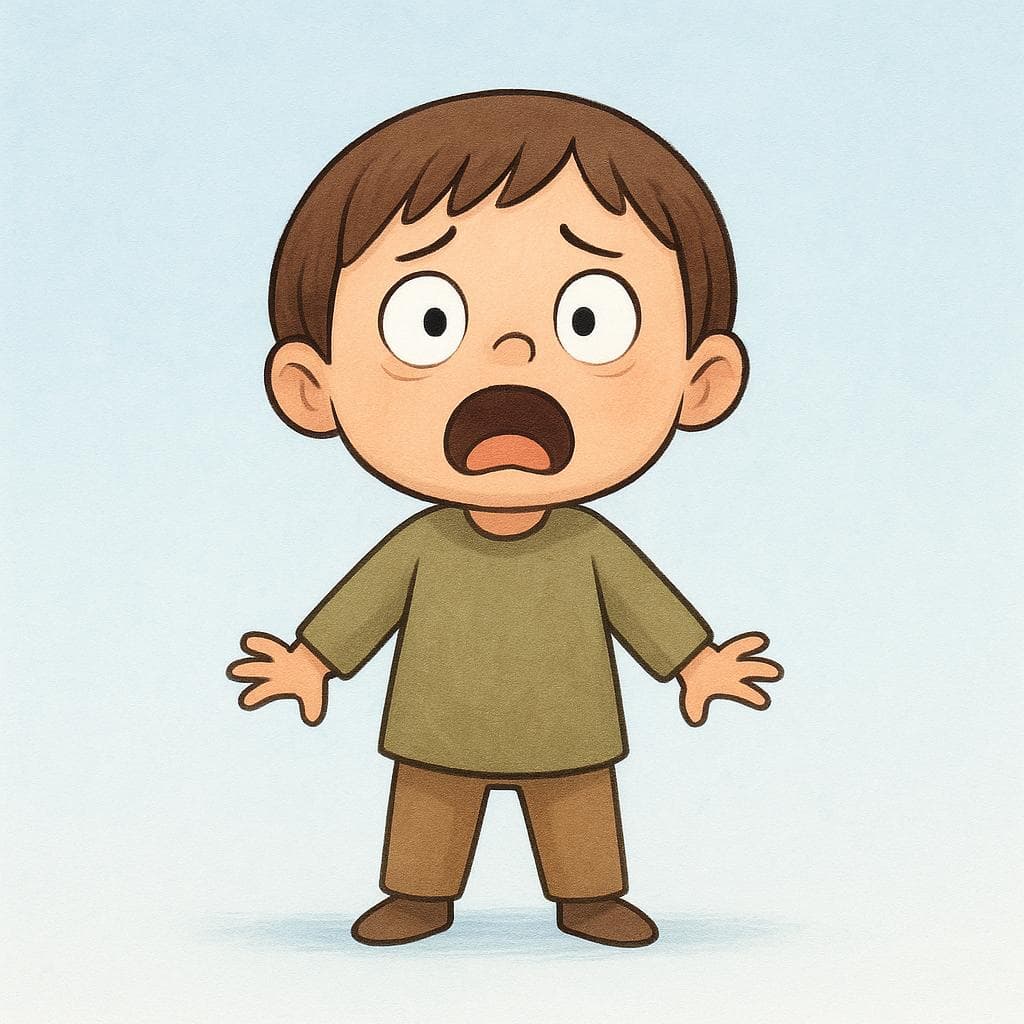
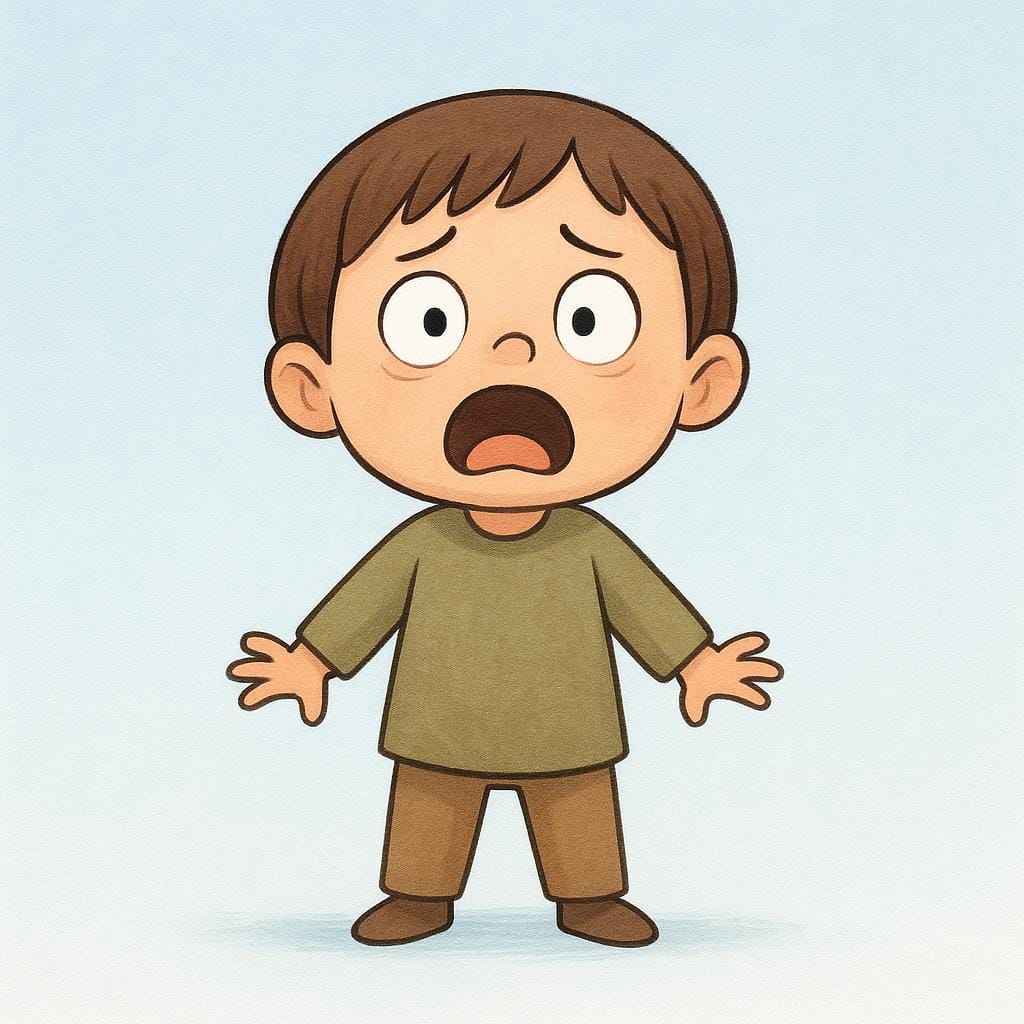
The most common Spanish word for “terror” is “terror” — use 'terror' when referring to a widespread, intense, and often sudden fear caused by a significant event or threat.

terror
teh-ROHRteˈror
Examples
El grito de la víctima llenó la noche de terror.
The victim's scream filled the night with terror.
El terremoto causó un terror generalizado entre la población.
The earthquake caused widespread terror among the population.
Sentí un terror horrible cuando se apagaron todas las luces.
I felt a horrible dread when all the lights went out.
La película de terror me mantuvo despierto toda la noche.
The horror movie kept me awake all night.
Using 'Tener' vs. 'Sentir'
You can use the verb 'tener' (to have) or 'sentir' (to feel) with 'terror': 'Tengo terror' (I have terror) or 'Siento terror' (I feel terror). Both are very common.
Gender Error
Mistake: “La terror”
Correction: El terror. Although it ends in '-or', 'terror' is always a masculine noun, so use 'el' or 'un'.
horror
OH-rrohrˈo.rɔr

Examples
Sentí un horror profundo al ver la casa abandonada.
I felt a deep horror upon seeing the abandoned house.
La película de horror nos mantuvo despiertos toda la noche.
The horror movie kept us awake all night.
El horror de la guerra es indescriptible.
The dread/horror of war is indescribable.
Gender Check
Remember that 'horror' is always masculine, so you must use 'el' or 'un': el horror.
pánico
Examples
Cuando vio el humo, entró en pánico y no supo qué hacer.
When he saw the smoke, he panicked and didn't know what to do.
Terror vs. Horror vs. Pánico
Related Translations
Learn Spanish with Inklingo
Interactive stories, personalized learning, and more.