How to Say "then" in Spanish
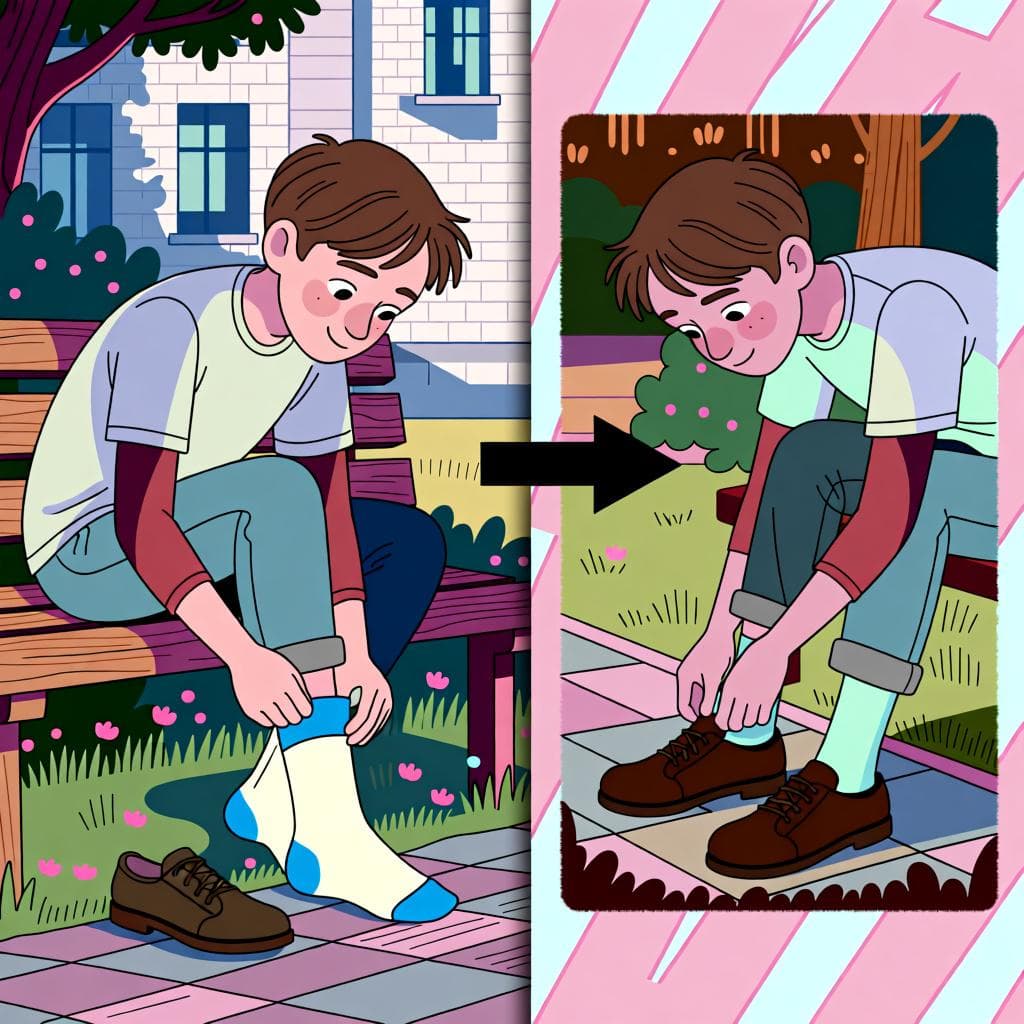
The most common Spanish word for “then” is “después” — use this when indicating the next event in a simple chronological sequence, often after 'first'.

después
Examples
Primero vamos al parque y después a la playa.
First we go to the park and then to the beach.
luego
lwe-goˈlwe.ɣo
Examples
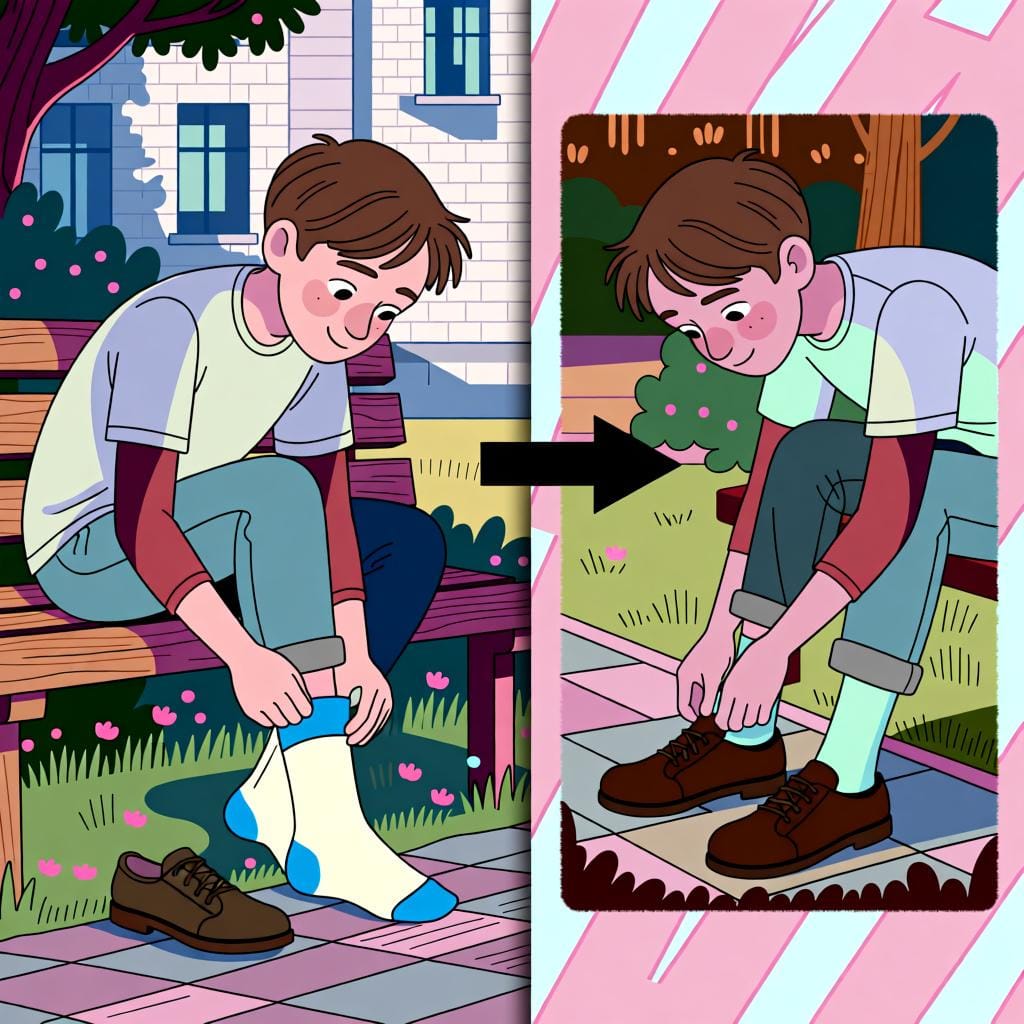
Primero comemos y luego salimos.
First we eat and then we go out.
Primero vamos a cenar y luego al cine.
First we're going to have dinner and then to the movies.
Termino el trabajo y luego te llamo.
I'll finish work and then I'll call you.
Nos vemos luego.
See you later.
Showing What's Next
'Luego' is a simple way to connect actions in time. It's like a signpost that says, 'Okay, after the first thing is done, this second thing happens.'
Confusing with 'Después'
Mistake: “'Luego' and 'después' are very similar, but 'después' is often followed by 'de' ('después de la clase'). 'Luego' usually stands on its own.”
Correction: Use 'luego' to simply connect two actions in a sentence ('Como y luego duermo'). Use 'después de' to say 'after something' ('Duermo después de comer').
entonces
en-TON-sesenˈton.ses
Examples
Estudié mucho para el examen. Entonces, saqué una buena nota.
I studied hard for the exam. Then, I got a good grade.
Vivíamos en México en 2010. Entonces, la vida era más simple.
We lived in Mexico in 2010. Then, life was simpler.
Primero terminas tu tarea y solo entonces puedes salir a jugar.
First you finish your homework and only then can you go out to play.
Está lloviendo, entonces no vamos al parque.
It's raining, so we're not going to the park.
Pointing to a Specific Time
Use 'entonces' to refer to a specific moment in the past or future that you've already mentioned. It's like saying 'at that point in time'.
Connecting Cause and Effect
Use this 'entonces' to link a reason or situation to what happens because of it. It answers the question '...so what?'
Not always the same as 'luego'
Mistake: “'Comí, luego salí.' (Sequence)”
Correction: 'Luego' often means 'after that' in a sequence of events. 'Entonces' is better for a logical result: 'Tenía hambre, entonces comí.' (I was hungry, *so* I ate). They can sometimes overlap, but thinking of 'entonces' as 'so' helps avoid confusion.
ahí
Examples
Estaba leyendo un libro y ahí me llamó mi amigo.
I was reading a book and then my friend called me.
continuación
Examples
A continuación, presentaremos los resultados.
Next, we will present the results.
po
pohpo

Examples
Sí, po. Vamos a comer.
Yes, of course! Let's go eat.
¡Sí, po! Vamos a la playa.
Yes, of course! Let's go to the beach.
Ya, po, apúrate que el bus ya viene.
Come on, then, hurry up because the bus is coming.
Si yo te dije que no, po.
Well, I already told you no.
A Shortened Version
This word is a shortened version of 'pues.' In Chile, people often cut the ends off words, and 'pues' simply became 'po' over time.
Sentence Placement
You almost always find this word at the very end of a short sentence or a command to give it extra punch or flavor.
Using it outside of Chile
Mistake: “Using 'po' while speaking with someone from Mexico or Spain.”
Correction: Use 'pues' instead. While they will understand you, 'po' is uniquely Chilean and might sound confusing or like you are imitating an accent in other countries.
Sequence vs. Specific Time
Related Translations
Learn Spanish with Inklingo
Interactive stories, personalized learning, and more.