How to Say "till" in Spanish
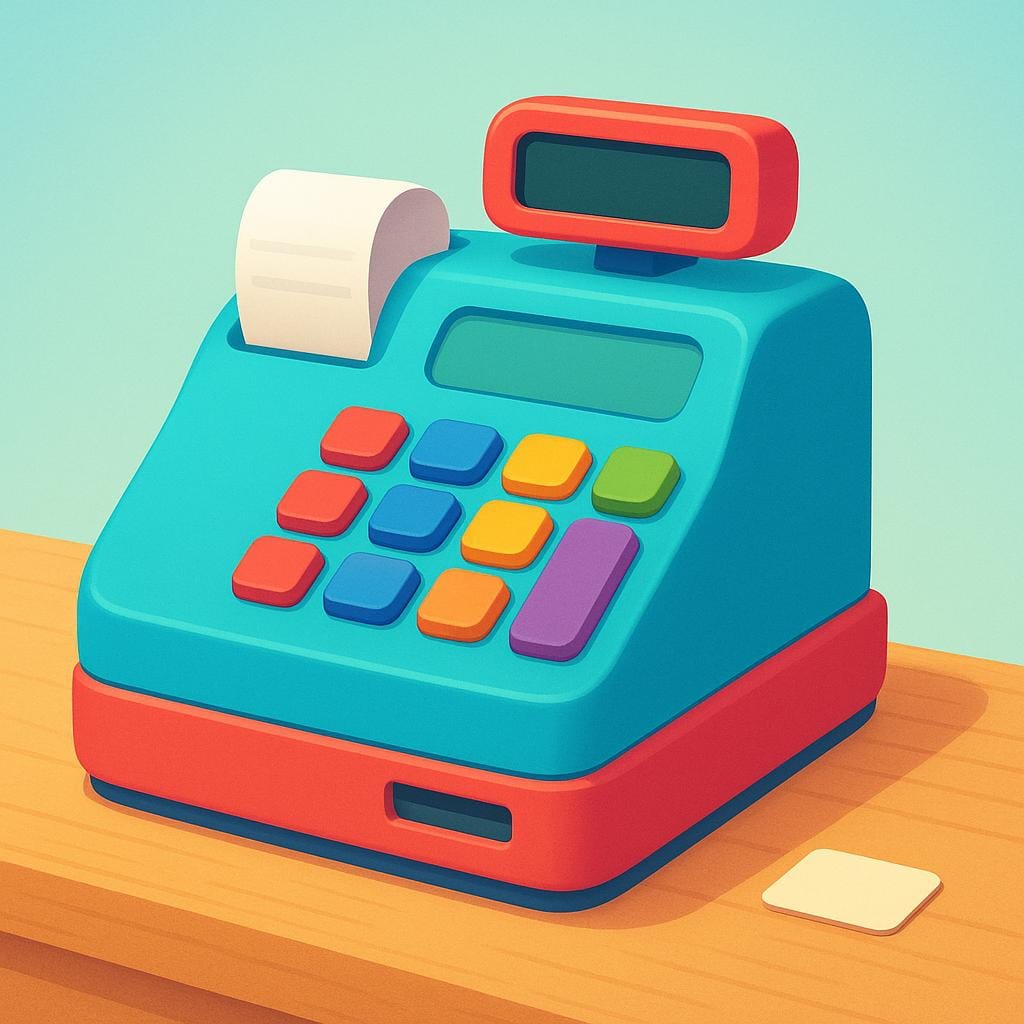
The most common Spanish word for “till” is “caja” — use 'caja' when referring to the physical cash register or the place where you pay at a store or bank.
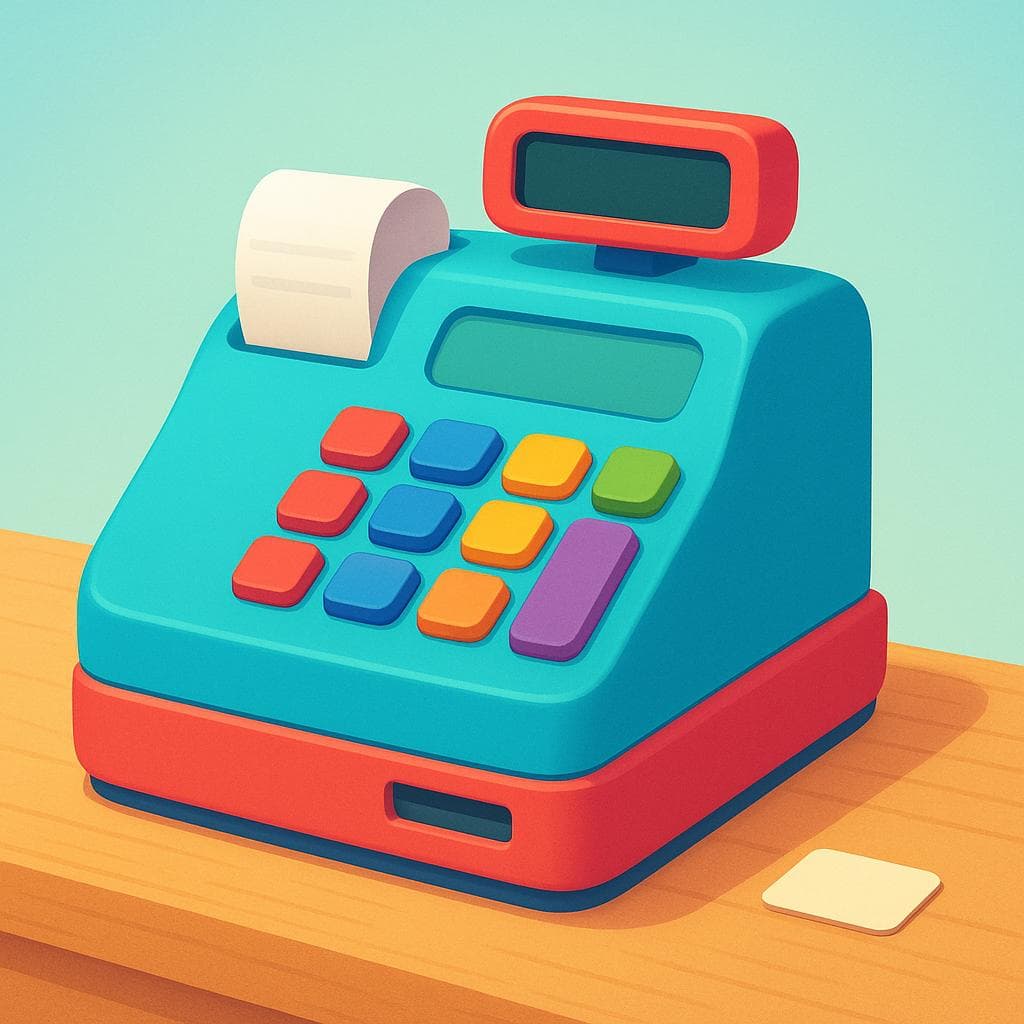
caja
KA-haˈkaxa
Examples
Por favor, pague en la caja.
Please pay at the checkout.
Hay una fila muy larga en la caja.
There's a very long line at the checkout.
Por favor, pague en la caja número tres.
Please pay at checkout number three.
El cajero abrió la caja para darme el cambio.
The cashier opened the till to give me my change.
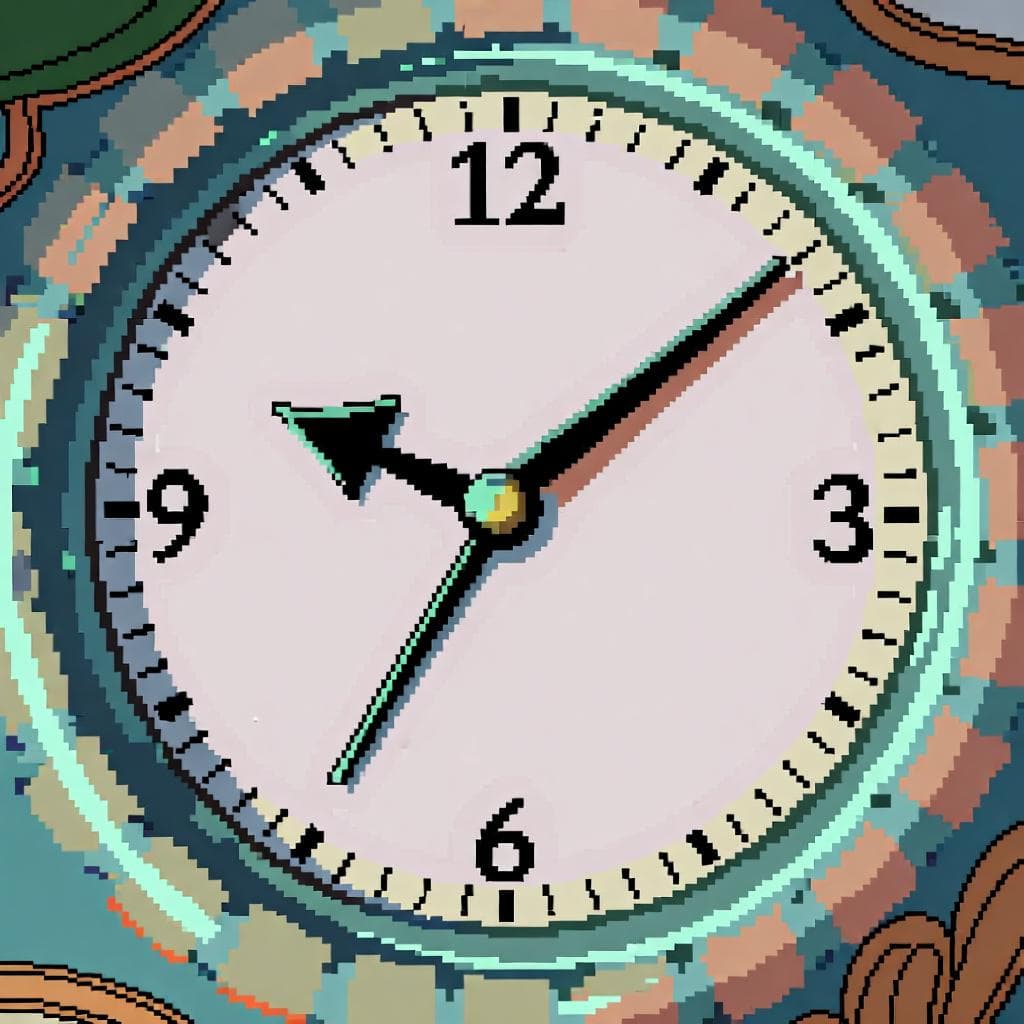
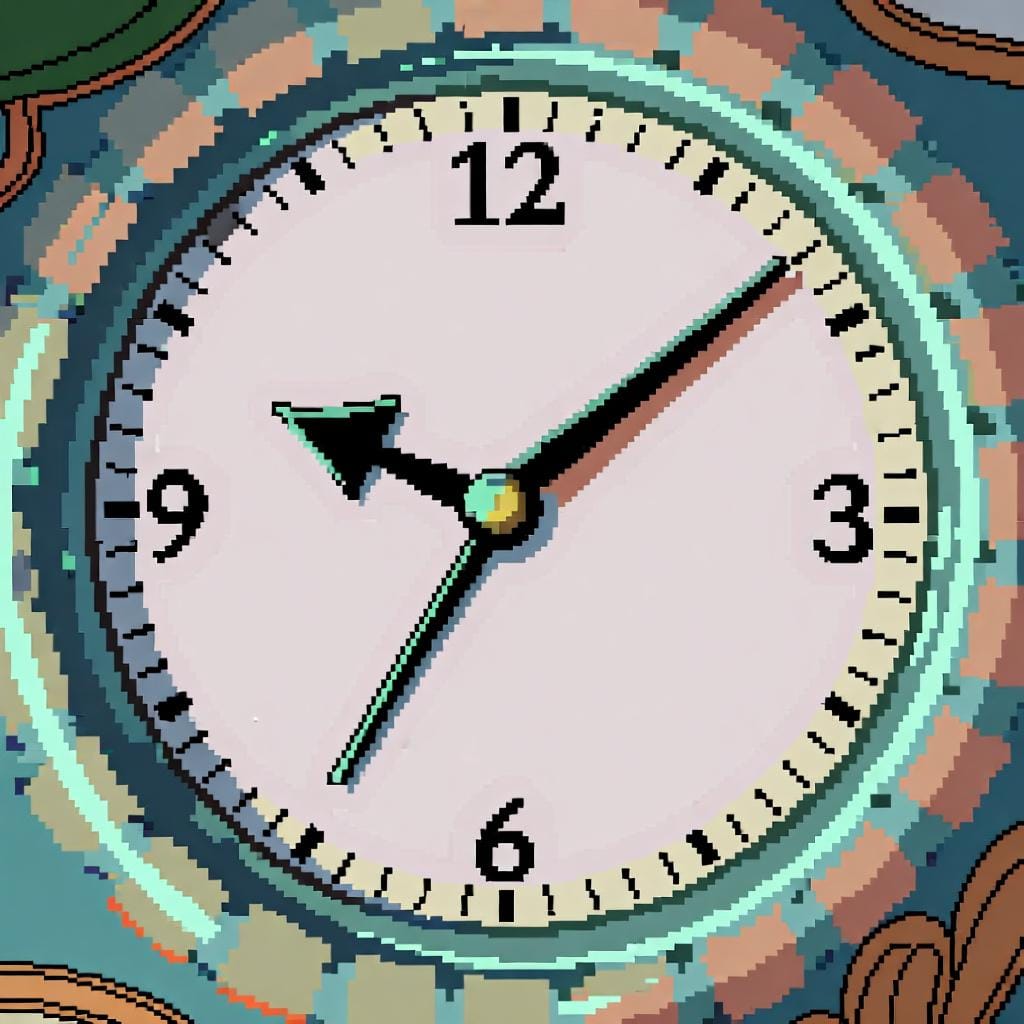
menos
MEH-nohsˈme.nos
Examples
La película empieza a las ocho menos veinte.
The movie starts at twenty to eight.
Son las diez menos cuarto.
It's a quarter to ten. (Literally: It's ten minus a quarter.)
Nos vemos a las seis menos veinte.
See you at twenty to six.
Faltan cinco para las ocho. / Son las ocho menos cinco.
It's five to eight.
Telling Time After the Half-Hour
For minutes 1-30, you use 'y' (e.g., 'son las dos y diez'). For minutes 31-59, you state the next hour and use 'menos' to subtract the minutes (e.g., 'son las tres menos veinte' for 2:40).
Using 'y' Instead of 'menos'
Mistake: “Saying 'Son las siete y cincuenta' for 7:50.”
Correction: While understandable, it's much more natural to say 'Son las ocho menos diez'. Think of it as '10 minutes to 8'.
Don't confuse payment points with time
Learn Spanish with Inklingo
Interactive stories, personalized learning, and more.