How to Say "time-related" in Spanish
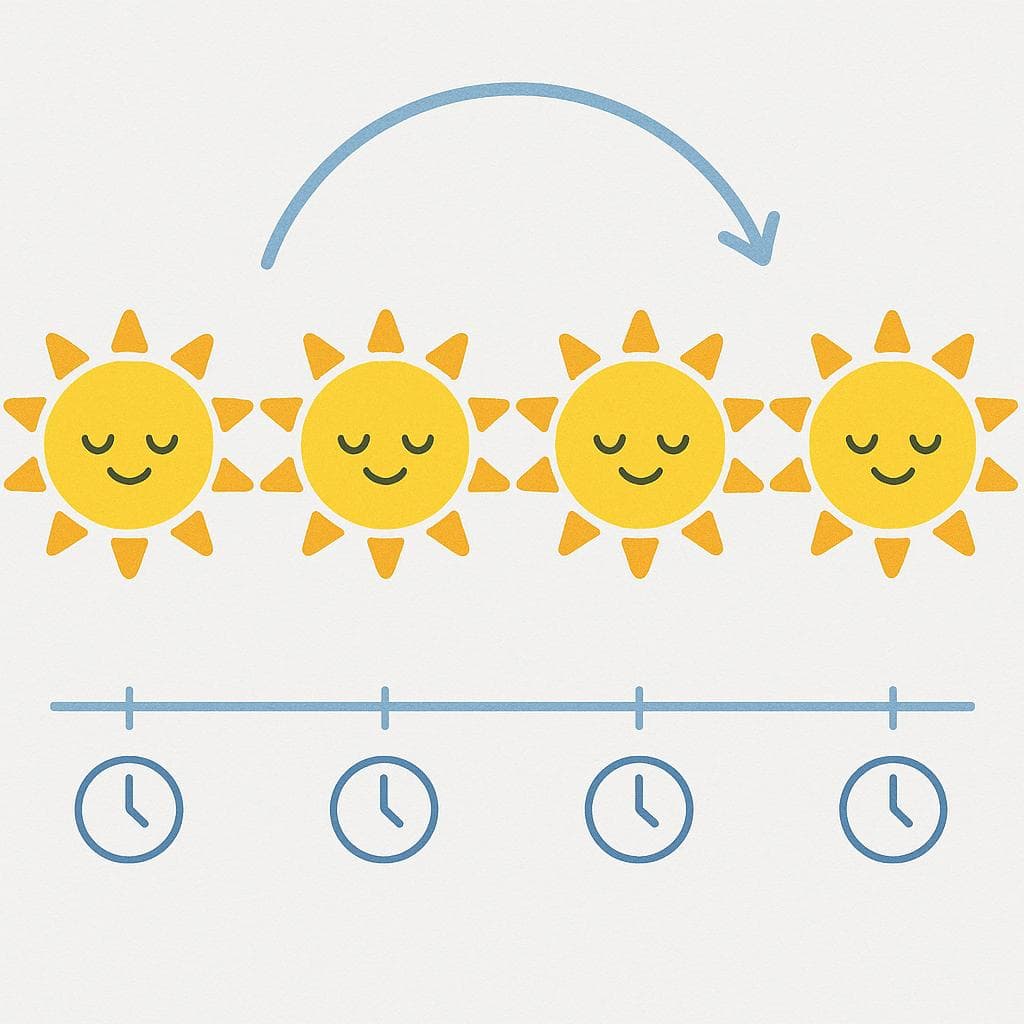
The most common Spanish word for “time-related” is “temporal” — use 'temporal' when referring to something that is related to the general concept of time, or is not permanent.

tehm-poh-RAHLtem.poˈɾal

Examples
Su contrato de trabajo es temporal.
His employment contract is temporary.
La vida es corta y nuestras preocupaciones son temporales.
Life is short and our worries are temporary/transient.
El poder temporal del Papa está limitado.
The temporal power of the Pope is limited.
Always the Same
Since 'temporal' ends in '-l', it always stays the same regardless of whether the noun it describes is masculine or feminine (e.g., 'el contrato temporal' and 'la solución temporal').
Temporary vs. Time
Mistake: “Using 'tiempo' instead of 'temporal' to mean 'temporary'.”
Correction: 'Tiempo' means 'time' or 'weather'. Use 'temporal' or 'provisional' to describe something that is not permanent.
oh-RAH-ree-ohoˈɾa.rjo
Examples
La rotación horaria de la Tierra es constante.
The hourly rotation of the Earth is constant.
Necesitamos un sistema de medición horario más preciso.
We need a more precise hourly measurement system.
Agreement
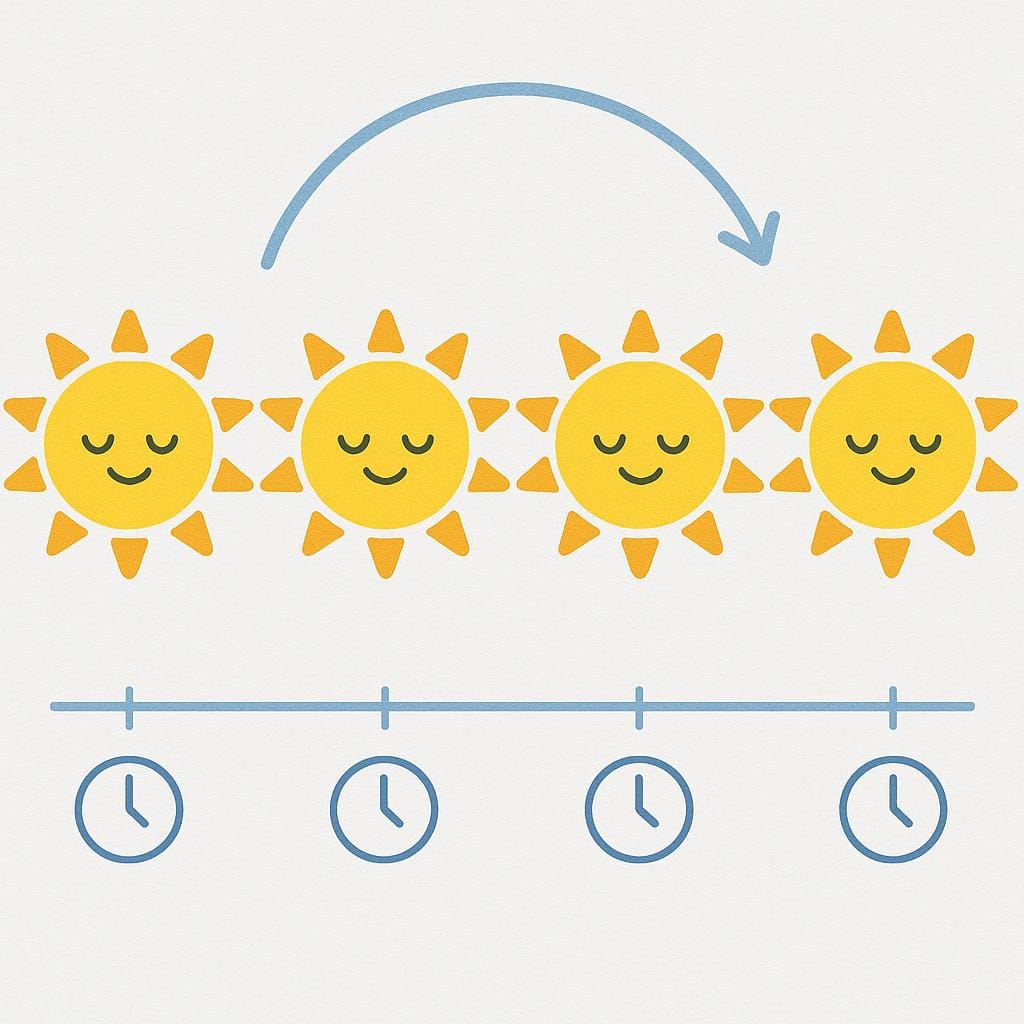
As an adjective, 'horario' must match the noun it describes in number and gender (e.g., 'rotación horaria', 'movimientos horarios').
Temporal vs. Horario
Learners often confuse 'temporal' and 'horario' by using 'temporal' when they mean something specifically related to hours. Remember, 'temporal' is about time in general or duration, while 'horario' is about the clock or schedule.
Related Translations
Learn Spanish with Inklingo
Interactive stories, personalized learning, and more.