How to Say "to boil" in Spanish
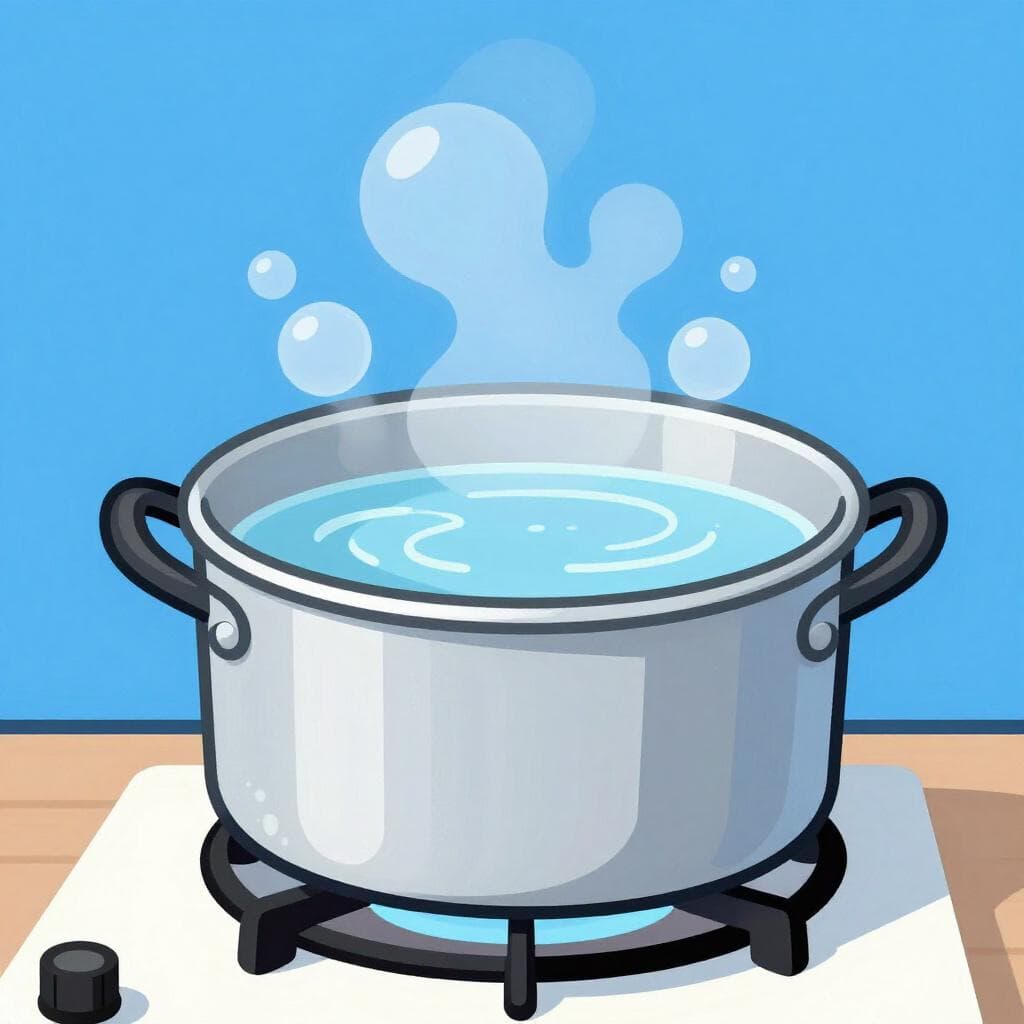
The most common Spanish word for “to boil” is “cocer” — use 'cocer' when you are cooking food, such as vegetables or pasta, by submerging it in boiling water or other liquid.
ko-SEHRko'θer

Examples
Tienes que cocer las patatas durante veinte minutos.
You have to boil the potatoes for twenty minutes.
Cuezo el arroz con un poco de sal.
I cook the rice with a bit of salt.
La alfarera está cociendo las vasijas de barro en el horno.
The potter is firing the clay pots in the kiln.
The 'O' to 'UE' Stem Change
In many forms of this verb, the middle 'o' changes to 'ue' when stressed. For example, it's 'cocer' but 'yo cuezo'.
Spelling Change for Sound
To keep the 's' or 'th' sound soft, the letter 'c' changes to 'z' when it comes before an 'a' or 'o'. This is why we say 'yo cuezo' instead of 'cueco'.
Cocer vs. Coser
Mistake: “Voy a coser la pasta.”
Correction: Voy a cocer la pasta. 'Coser' means to sew with a needle, while 'cocer' means to cook!
Wrong Stem Change
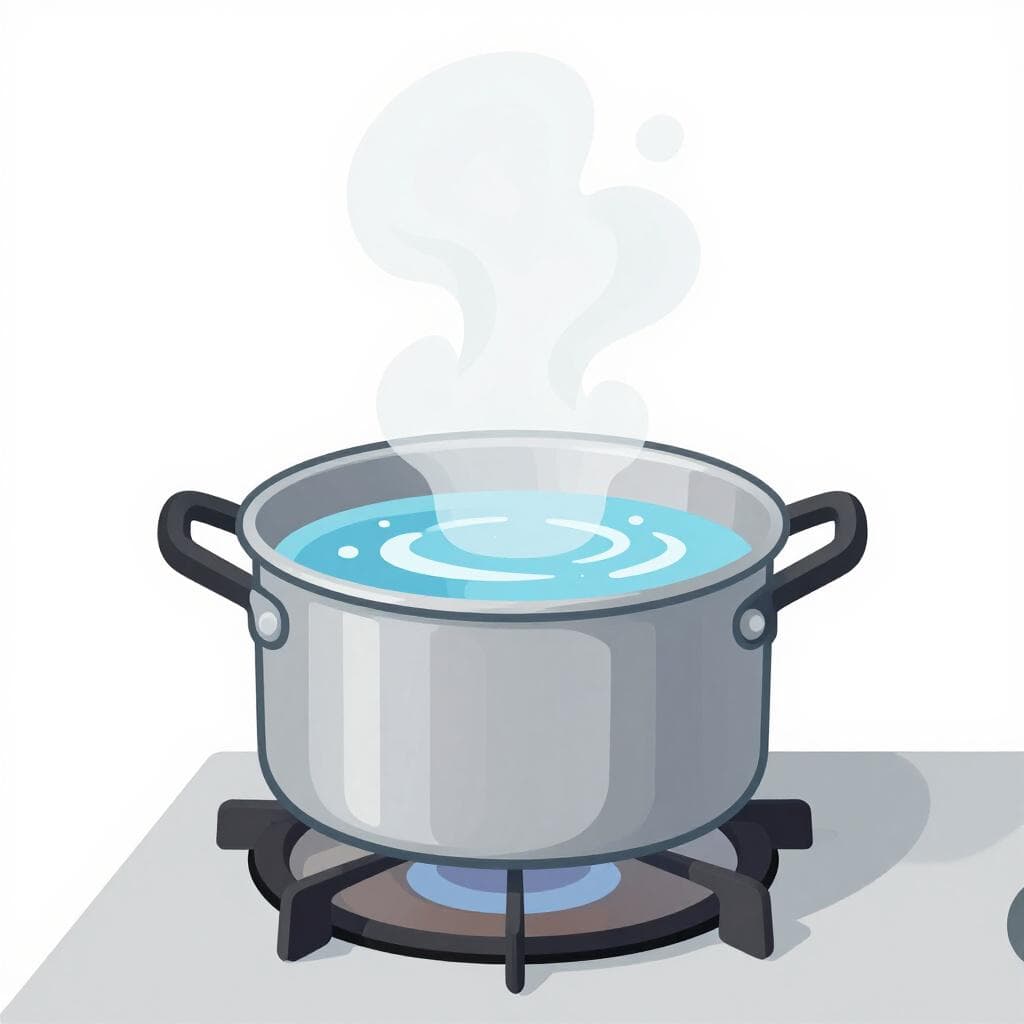
air-BEEReɾˈβiɾ

Examples
El agua ya está hirviendo.
The water is already boiling.
Tienes que hervir la leche para el chocolate.
You have to boil the milk for the hot chocolate.
Hierve los huevos por diez minutos.
Boil the eggs for ten minutes.
The Spelling Change
For this word, the 'e' changes to 'ie' in the middle whenever that part of the word is stressed (like in 'yo hiervo').
The Secret 'i' change
In the past tense (they form) and when saying 'boiling' (hirviendo), the 'e' changes to a simple 'i' instead of 'ie'.
Don't forget the 'ie'
Mistake: “Yo hervo el agua.”
Correction: Yo hiervo el agua. (The middle 'e' needs to split into 'ie' for the 'I' form.)
Cocer vs. Hervir
Learners often confuse 'cocer' and 'hervir'. Remember that 'cocer' is for cooking food *in* boiling liquid, while 'hervir' describes the liquid *itself* reaching a boil.
Related Translations
Learn Spanish with Inklingo
Interactive stories, personalized learning, and more.