How to Say "to cook" in Spanish
The most common Spanish word for “to cook” is “cocinar” — use 'cocinar' when referring to the general act of preparing food, especially meals like dinner or lunch.
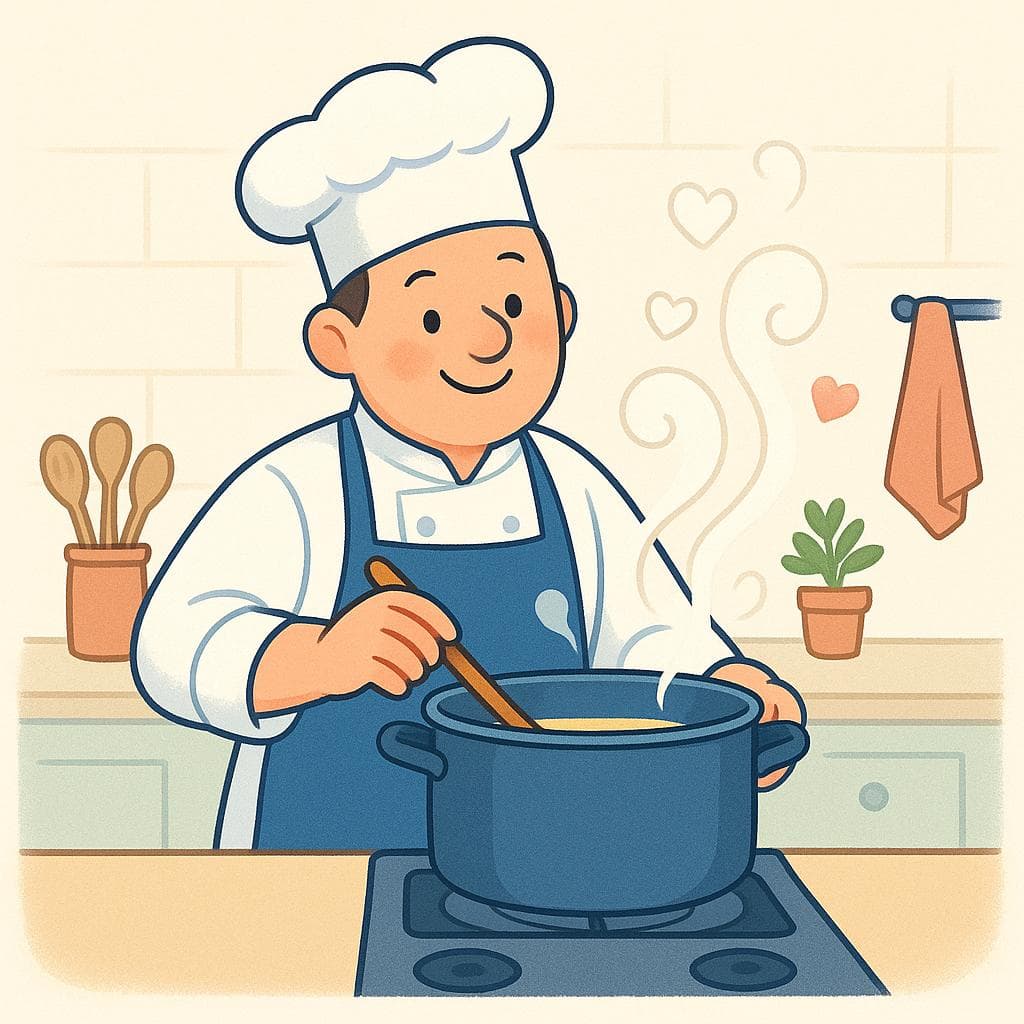
Use 'cocinar' when referring to the general act of preparing food, especially meals like dinner or lunch.
Learn more →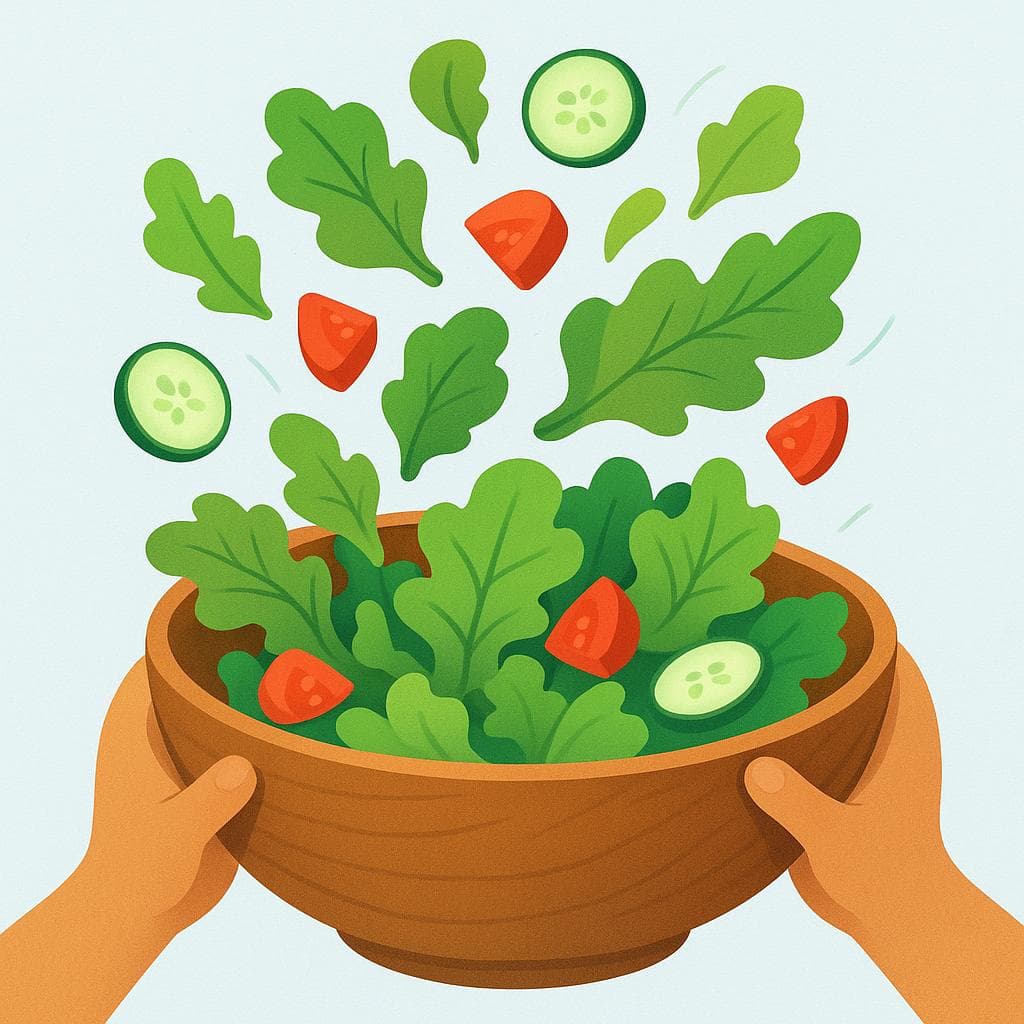
Use 'preparar' when emphasizing the action of getting a meal or a dish ready, similar to 'to make' or 'to prepare'.
Learn more →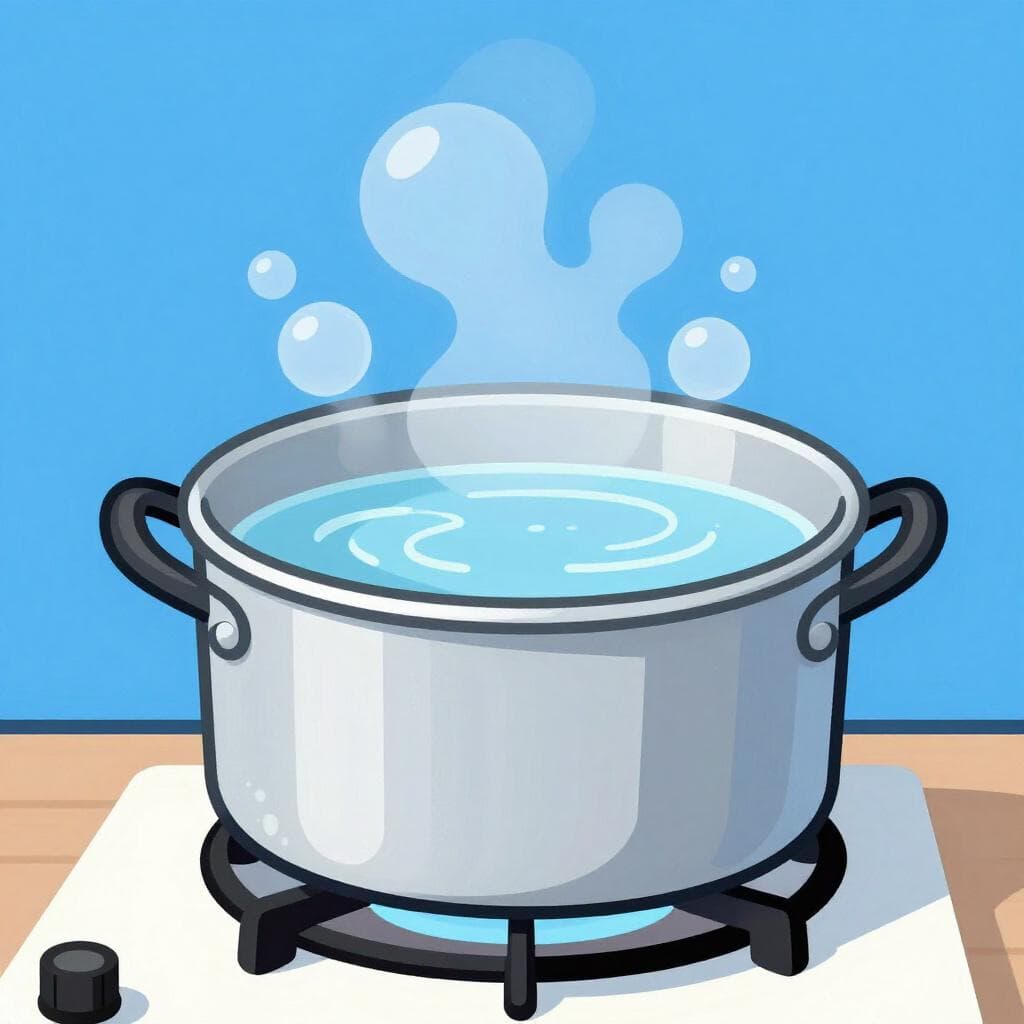
Use 'cocer' for cooking food using moist heat, such as boiling, simmering, or steaming, often applied to ingredients like vegetables or grains.
Learn more →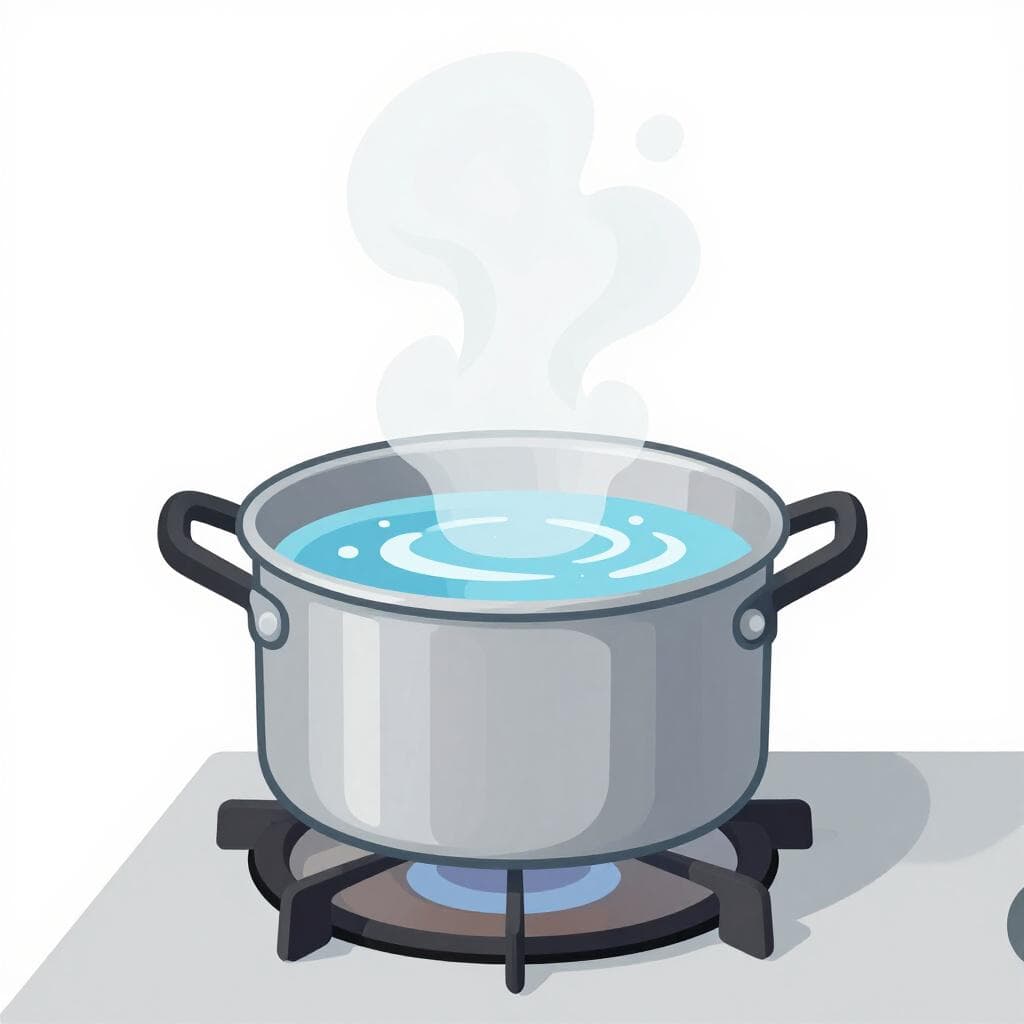
Use 'hervir' specifically when food is being cooked by boiling in water at a high temperature.
Learn more →koh-see-narko.siˈnaɾ
Examples
Mi abuela siempre cocina la cena los domingos.
My grandmother always cooks dinner on Sundays.
¿Qué vas a cocinar hoy? Tengo mucha hambre.
What are you going to cook today? I'm very hungry.
Ella está cocinando un pastel de manzana en el horno.
She is baking an apple pie in the oven.
Regular -AR Verb
This is a simple, regular verb. You can use the standard endings for all '-ar' verbs, which makes conjugating it very predictable.
Mixing up 'Cocinar' and 'Hacer'
Mistake: “Hacer la comida (literally 'to make the food').”
Correction: While 'hacer' (to do/make) is sometimes used, 'cocinar' is much more specific and natural when talking about the act of cooking: 'Voy a cocinar la cena.'
pre-pa-RAHRpɾepaˈɾaɾ
Examples
Mi abuela prepara el mejor café del mundo.
My grandmother makes the best coffee in the world.
Preparar vs. Cocinar
While 'cocinar' specifically means the act of heating food, 'preparar' is used more broadly for making drinks, salads, or any meal assembly.
ko-SEHRko'θer

Examples
Tienes que cocer las patatas durante veinte minutos.
You have to boil the potatoes for twenty minutes.
Cuezo el arroz con un poco de sal.
I cook the rice with a bit of salt.
La alfarera está cociendo las vasijas de barro en el horno.
The potter is firing the clay pots in the kiln.
The 'O' to 'UE' Stem Change
In many forms of this verb, the middle 'o' changes to 'ue' when stressed. For example, it's 'cocer' but 'yo cuezo'.
Spelling Change for Sound
To keep the 's' or 'th' sound soft, the letter 'c' changes to 'z' when it comes before an 'a' or 'o'. This is why we say 'yo cuezo' instead of 'cueco'.
Cocer vs. Coser
Mistake: “Voy a coser la pasta.”
Correction: Voy a cocer la pasta. 'Coser' means to sew with a needle, while 'cocer' means to cook!
Wrong Stem Change
air-BEEReɾˈβiɾ

Examples
El agua ya está hirviendo.
The water is already boiling.
Tienes que hervir la leche para el chocolate.
You have to boil the milk for the hot chocolate.
Hierve los huevos por diez minutos.
Boil the eggs for ten minutes.
The Spelling Change
For this word, the 'e' changes to 'ie' in the middle whenever that part of the word is stressed (like in 'yo hiervo').
The Secret 'i' change
In the past tense (they form) and when saying 'boiling' (hirviendo), the 'e' changes to a simple 'i' instead of 'ie'.
Don't forget the 'ie'
Mistake: “Yo hervo el agua.”
Correction: Yo hiervo el agua. (The middle 'e' needs to split into 'ie' for the 'I' form.)
General vs. Specific Cooking Verbs
Learners often use 'cocinar' for every type of cooking. Remember that while 'cocinar' is a safe general term, 'cocer' and 'hervir' are more precise for methods involving water, and 'preparar' is used for the overall readiness of food.
Related Translations
Learn Spanish with Inklingo
Interactive stories, personalized learning, and more.