hervir
“hervir” means “to boil” in Spanish. It has 2 different meanings depending on context:
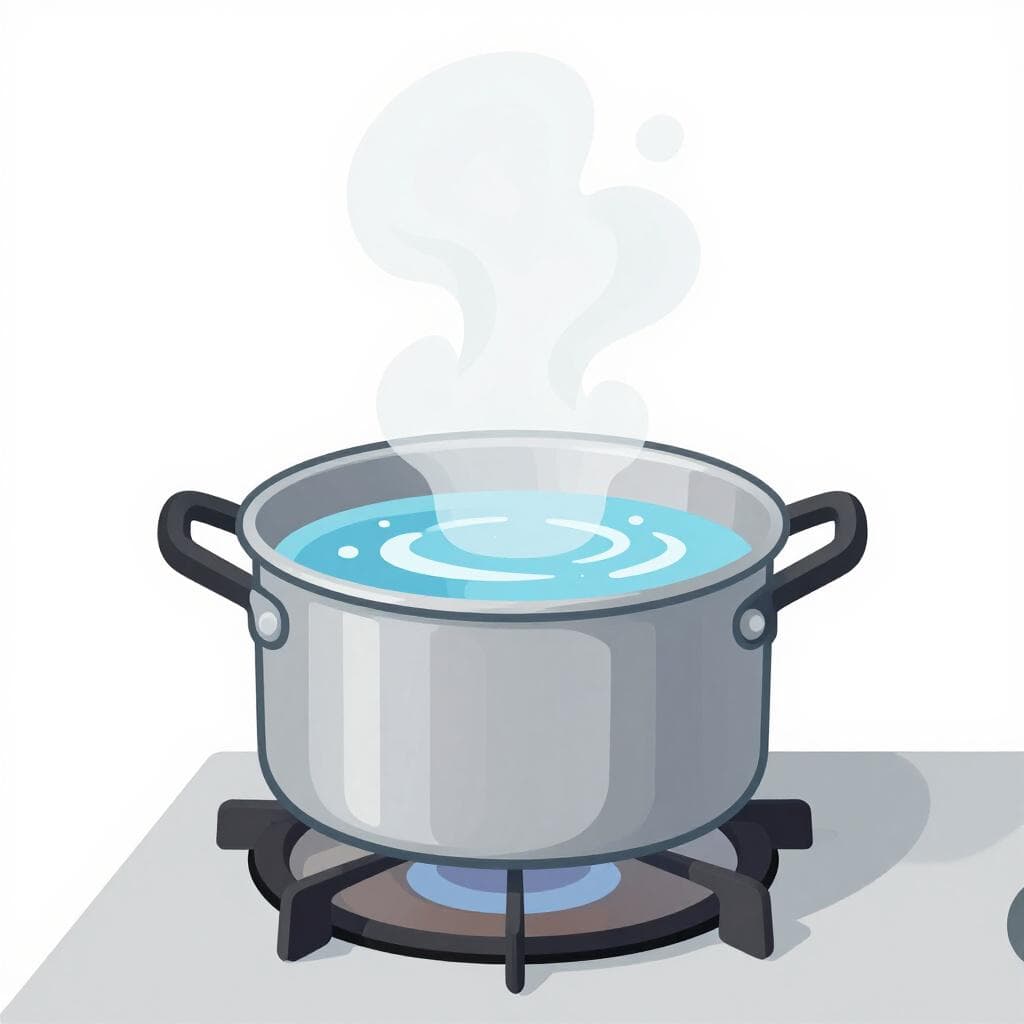

to boil
Also: to cook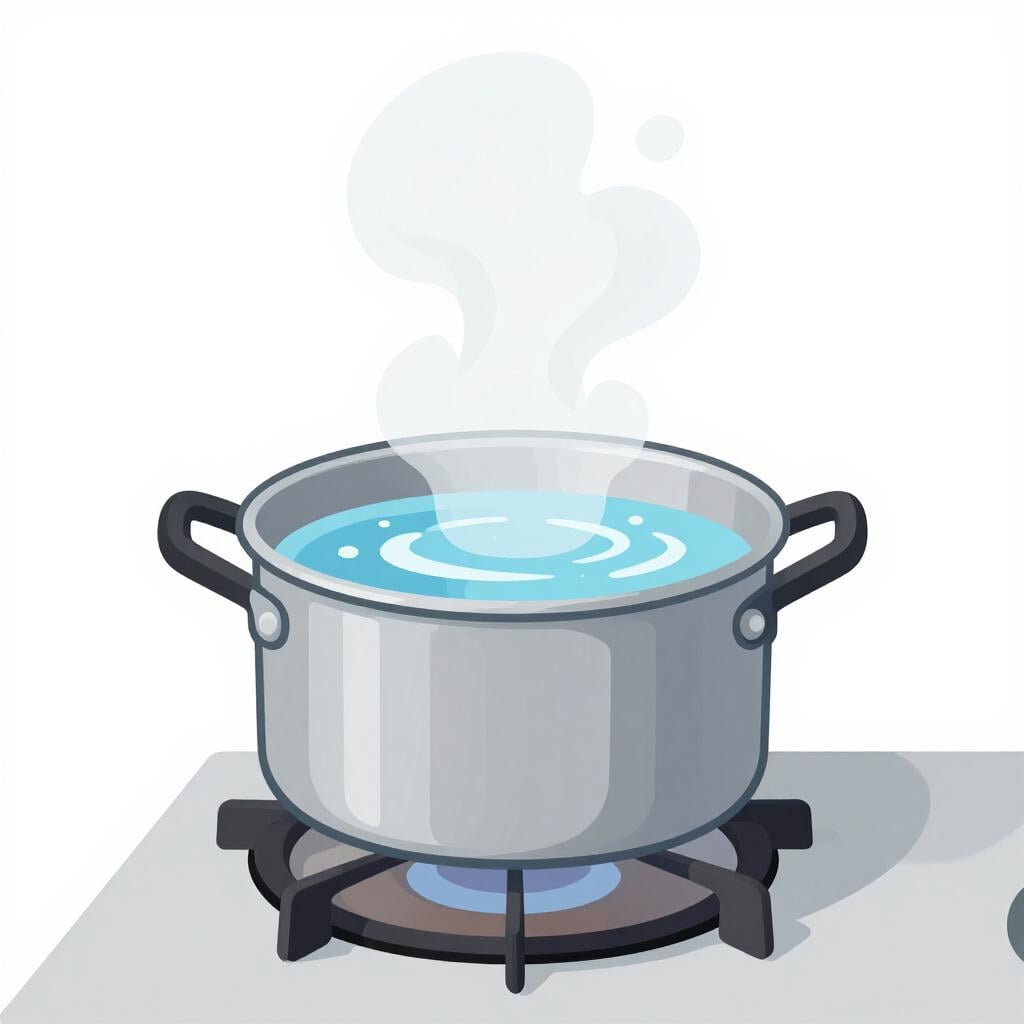
📝 In Action
El agua ya está hirviendo.
A1The water is already boiling.
Tienes que hervir la leche para el chocolate.
A2You have to boil the milk for the hot chocolate.
Hierve los huevos por diez minutos.
B1Boil the eggs for ten minutes.
to teem with
Also: to swarm
📝 In Action
La calle hervía de gente durante las rebajas.
B2The street was teeming with people during the sales.
El hormiguero hervía de actividad.
C1The anthill was swarming with activity.
Subjunctive
Imperfect Subjunctive
Present Subjunctive
Indicative
Preterite
Imperfect
Present
✏️ Quick Practice
Quick Quiz: hervir
Question 1 of 3
Which of the following means 'I boil'?
📚 More Resources
👥 Word Family▼
📚 Etymology▼
Derived from the Latin verb 'fervere', which means 'to be hot' or 'to boil'.
First recorded: 12th century
Cognates (Related words)
💡 Master Spanish
Take your Spanish to the next level. Read 200+ illustrated and narrated Spanish stories tailored to your level with the Inklingo app!
Frequently Asked Questions
Is 'hervir' only used for water?
No, it can be used for any liquid (milk, soup) or even for places that are crowded with people (the plaza was boiling with people).
What's the difference between 'hervir' and 'cocer'?
Hervir specifically means the liquid is bubbling at its boiling point. Cocer generally means 'to cook' through heat, which often involves boiling, but is a more general culinary term.
Why does the spelling change so much?
It is a stem-changing verb. In Spanish, many 'e' verbs split into 'ie' to make them easier to emphasize when speaking.