How to Say "to bounce" in Spanish
The most common Spanish word for “to bounce” is “botar” — use 'botar' when referring to an object, especially a ball, hitting a surface and springing back up, emphasizing the action of bouncing itself.

Use 'botar' when referring to an object, especially a ball, hitting a surface and springing back up, emphasizing the action of bouncing itself.
Learn more →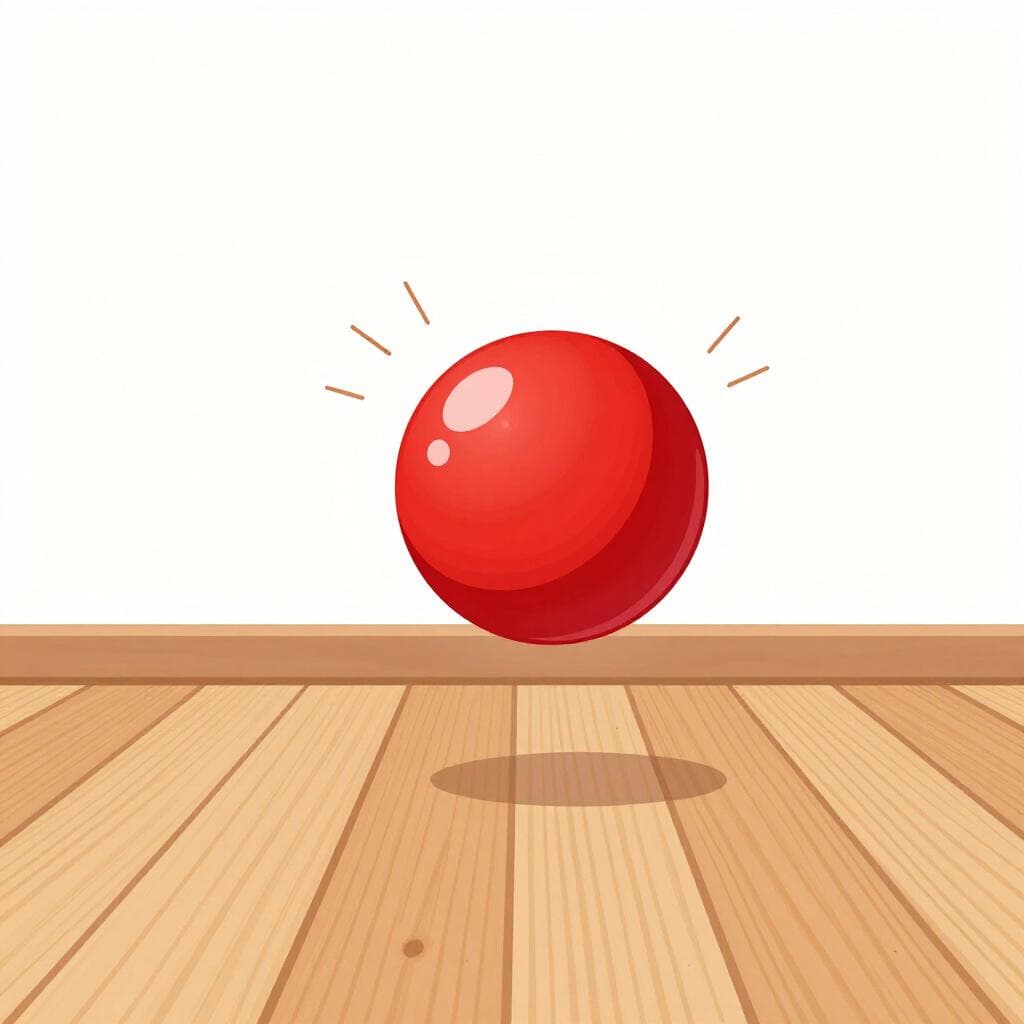
Use 'rebotar' to describe a physical object that hits a surface and bounces off it, often implying a rebound or deflection.
Learn more →bo-TARboˈtaɾ

Examples
La pelota bota muy alto.
The ball bounces very high.
Tienes que botar el balón mientras corres.
You have to dribble (bounce) the ball while you run.
The 'Re' prefix
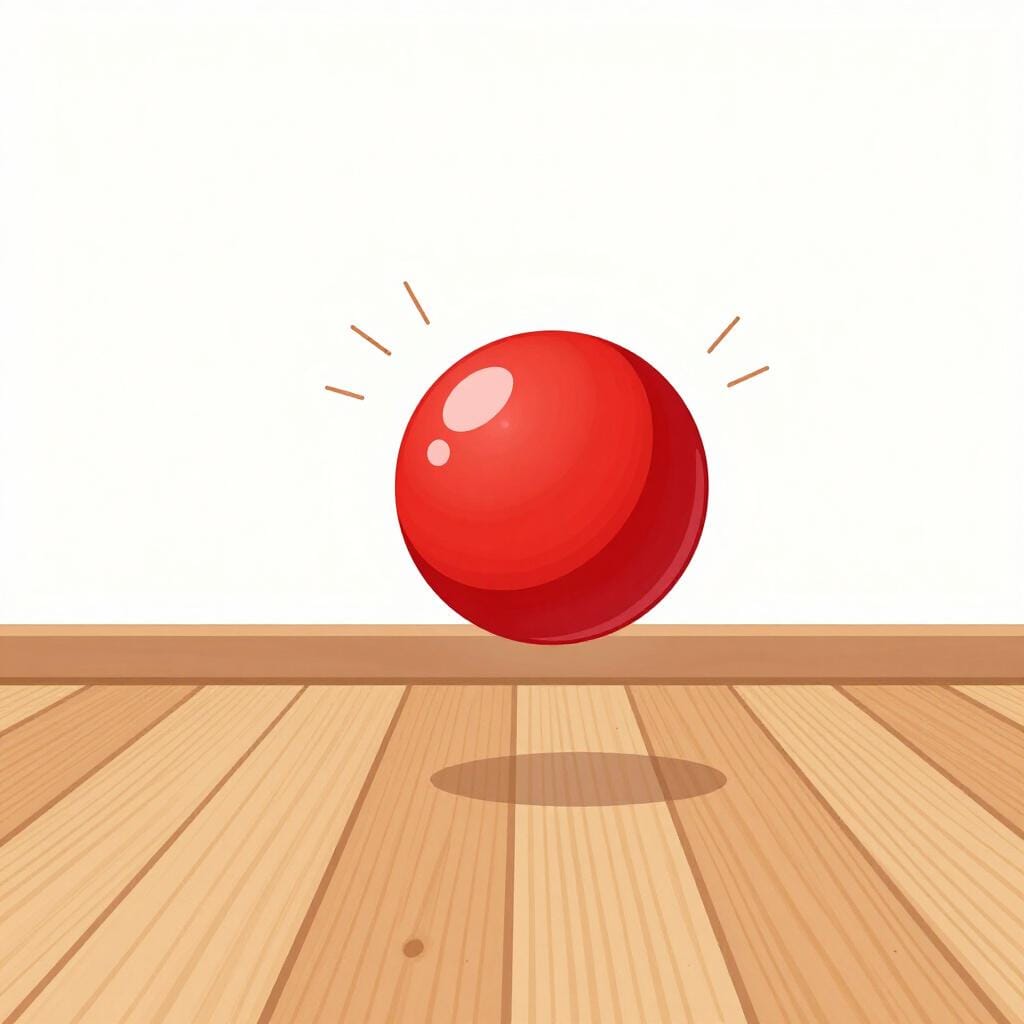
While 'botar' means to bounce, 'rebotar' specifically emphasizes the ball hitting a surface and coming back.
rre-boh-TAHRreboˈtaɾ
Examples
La pelota rebota muy alto.
The ball bounces very high.
El balón rebotó en el poste y entró en la portería.
The ball bounced off the post and went into the goal.
Tienes que hacer rebotar el balón mientras corres.
You have to bounce the ball while you run.
Using 'contra' or 'en'
Use 'en el suelo' (on the floor) to describe where the bounce happens, but 'contra la pared' (against the wall) to describe what it hits.
Bounce vs. Jump
Mistake: “El niño rebota con alegría.”
Correction: El niño salta con alegría. Use 'saltar' for people jumping; 'rebotar' is for objects hitting a surface and coming back.
Botar vs. Rebotar
Learners often confuse 'botar' and 'rebotar' because both describe bouncing. While they are very similar and often interchangeable, 'botar' can sometimes emphasize the act of bouncing itself, whereas 'rebotar' can focus more on the rebound or deflection off a surface.
Related Translations
Learn Spanish with Inklingo
Interactive stories, personalized learning, and more.