How to Say "to differentiate" in Spanish
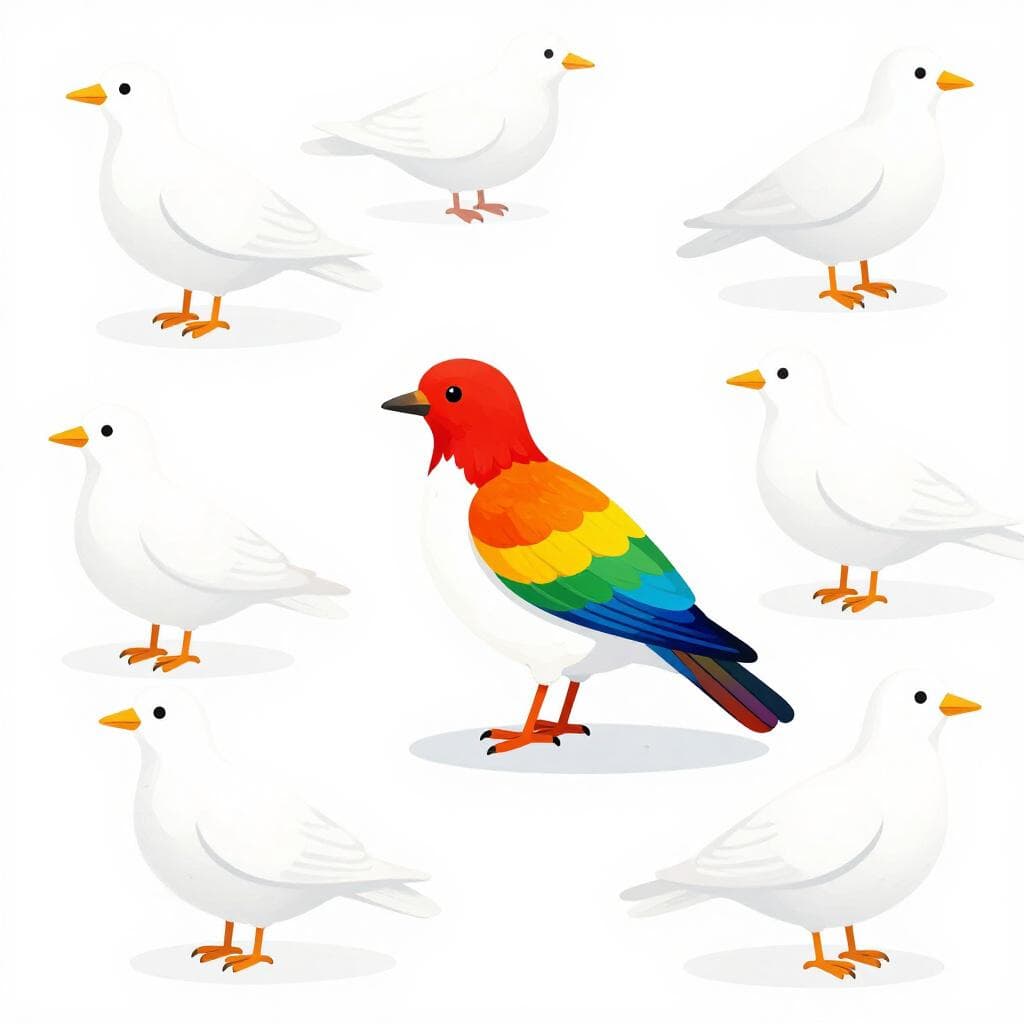
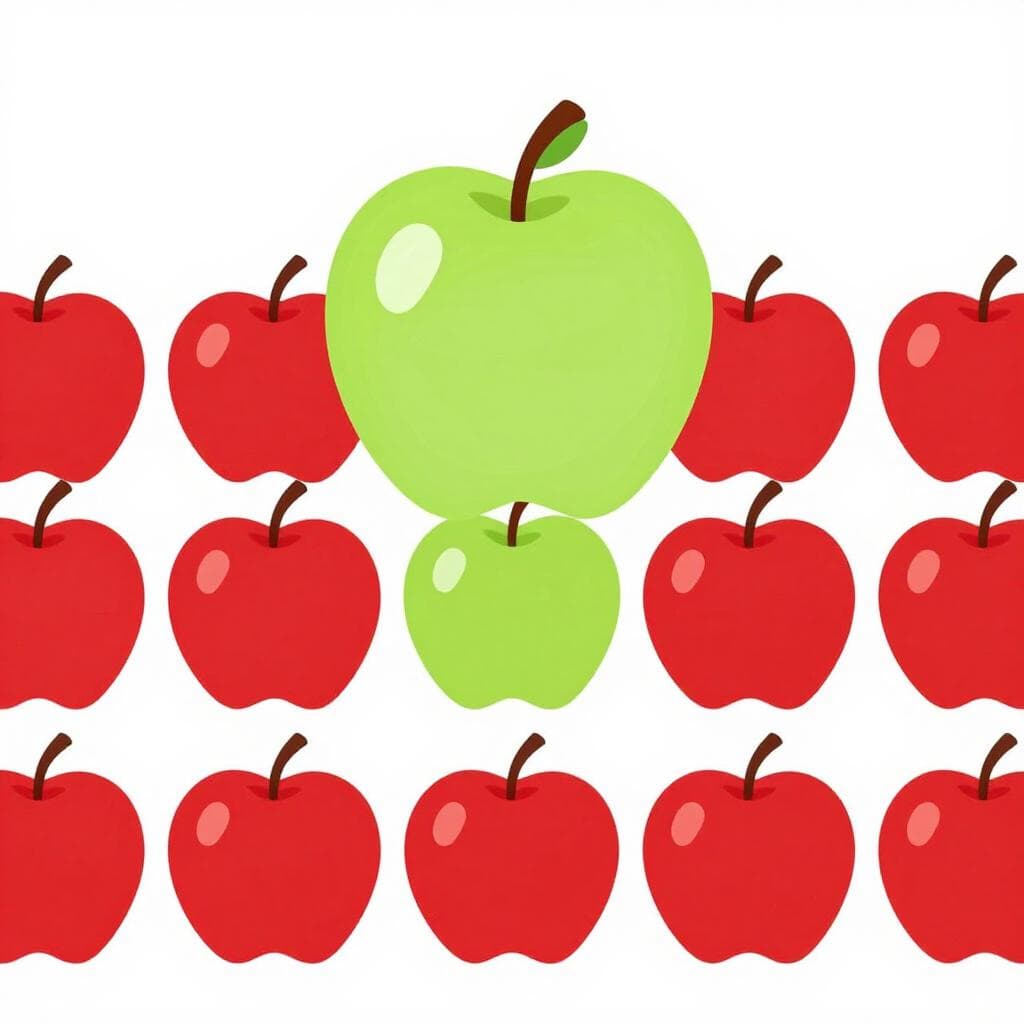
The most common Spanish word for “to differentiate” is “diferenciar” — use 'diferenciar' when you want to express how something or someone stands out from others, often due to unique qualities or characteristics.
diferenciar
dee-feh-rehn-syahrdifeɾenˈθjaɾ

Examples
Nuestra calidad nos diferencia de la competencia.
Our quality sets us apart from the competition.
Ella busca un estilo que la diferencie de los demás.
She looks for a style that makes her stand out from the others.
Reflexive Use ('Diferenciarse')
To say 'to be different from', Spanish often adds 'se' to the end: 'Se diferencia de los demás' means 'He differs from the others'.
Confusing 'Different' and 'Differentiate'
Mistake: “El es diferenciar.”
Correction: Él es diferente. Use 'diferenciar' for the action of making or seeing a difference, and 'diferente' to describe something.
distinguir
dees-teen-GEERdistinˈɡiɾ
Examples
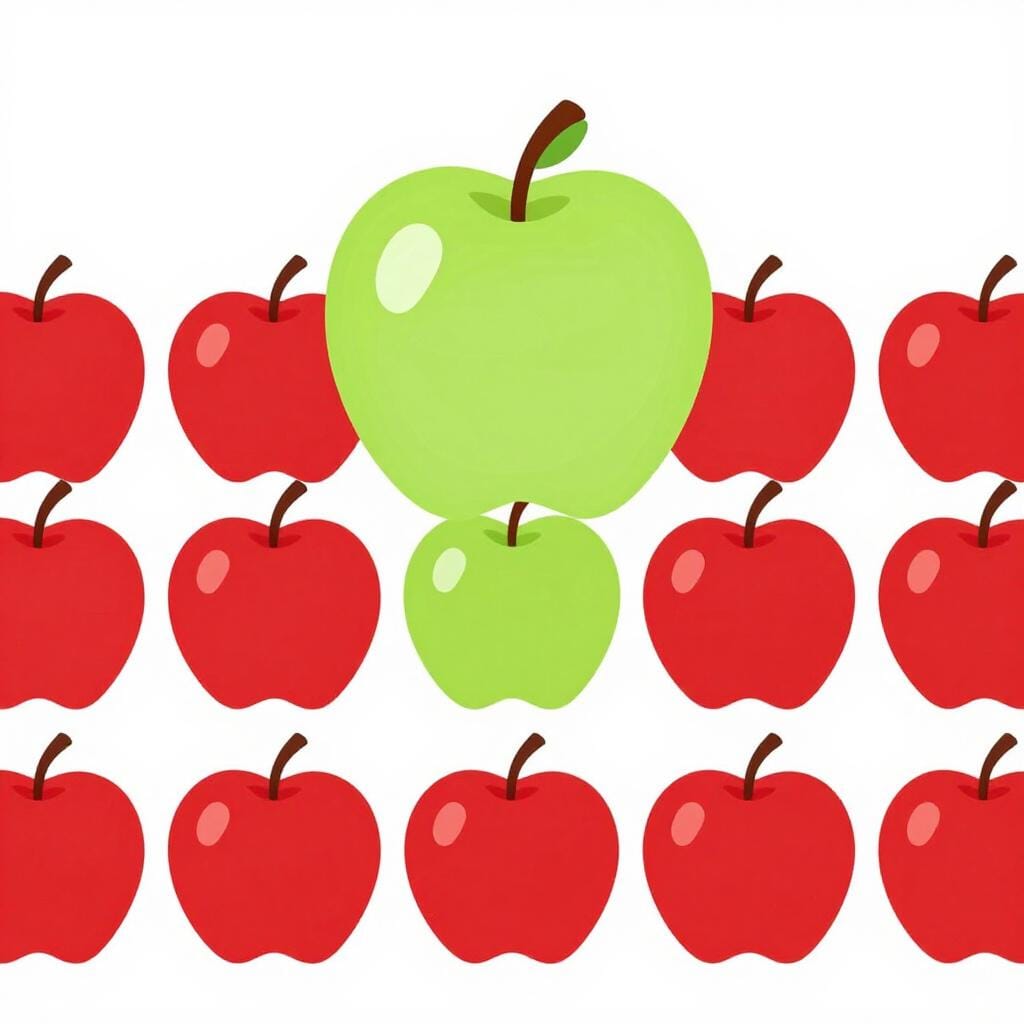
No puedo distinguir el rojo del verde.
I can't tell red from green.
Es difícil distinguir entre estos dos tipos de vino.
It is difficult to distinguish between these two types of wine.
Los gemelos son tan parecidos que nadie los distingue.
The twins look so much alike that nobody can tell them apart.
The 'Yo' Form Spelling Change
For verbs ending in -guir, when the next letter is 'o' or 'a', the 'u' is dropped. This keeps the 'g' sounding like the 'g' in 'game' instead of changing to a 'h' sound.
Using 'de' vs 'entre'
Use 'entre' when talking about two things together (distinguir entre A y B), and use 'de' when comparing one thing to another (distinguir A de B).
Don't keep the 'u' in 'distingo'
Mistake: “Yo distinguo los colores.”
Correction: Yo distingo los colores. (The 'u' is dropped in the first-person present form).
Diferenciar vs. Distinguir
Related Translations
Learn Spanish with Inklingo
Interactive stories, personalized learning, and more.