diferenciar
“diferenciar” means “to distinguish” in Spanish. It has 2 different meanings depending on context:
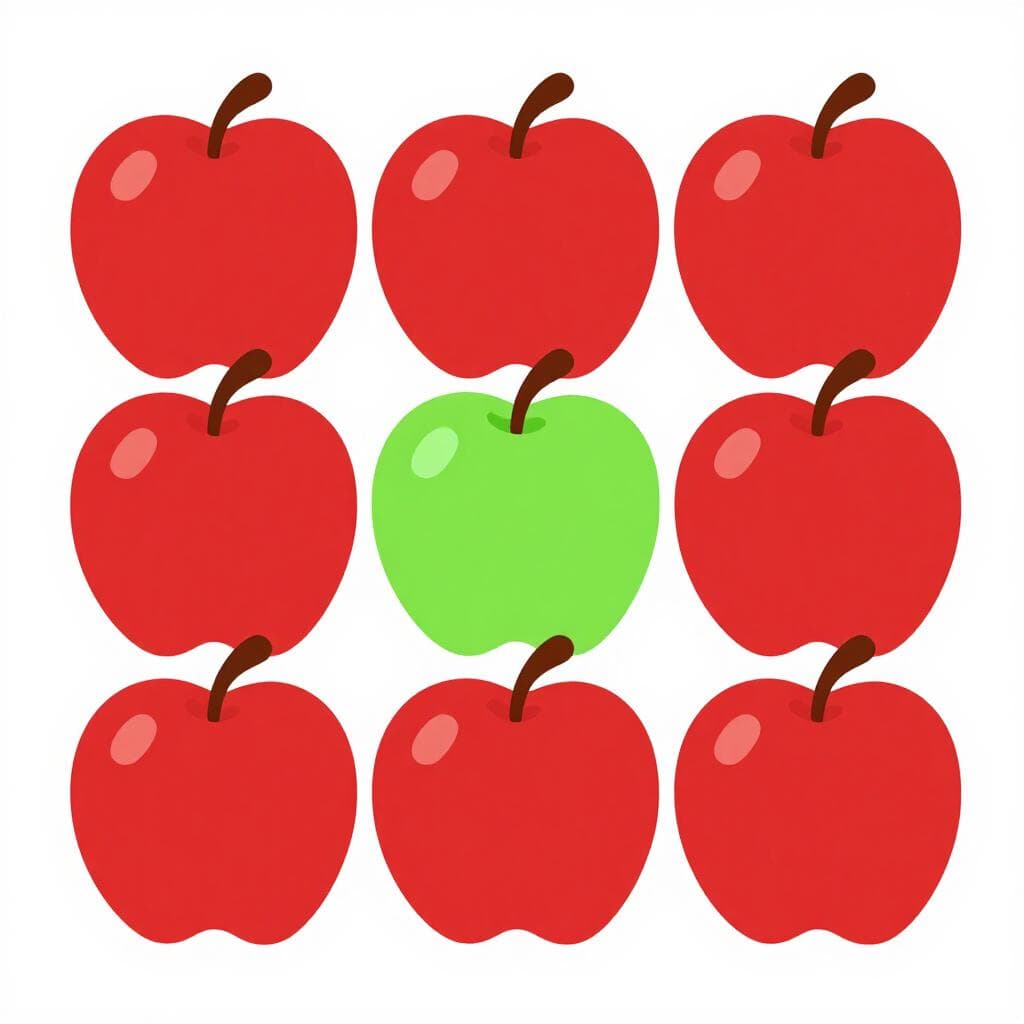
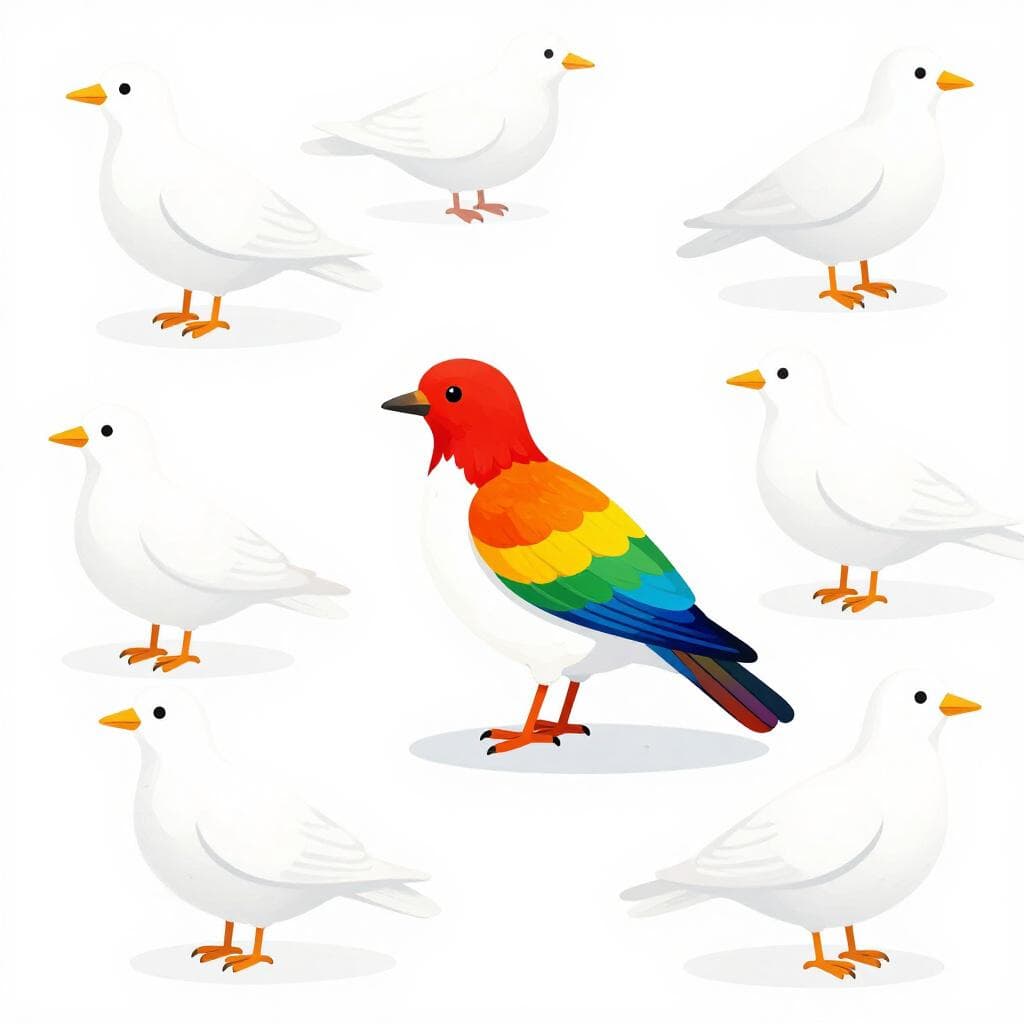
to distinguish
Also: to tell apart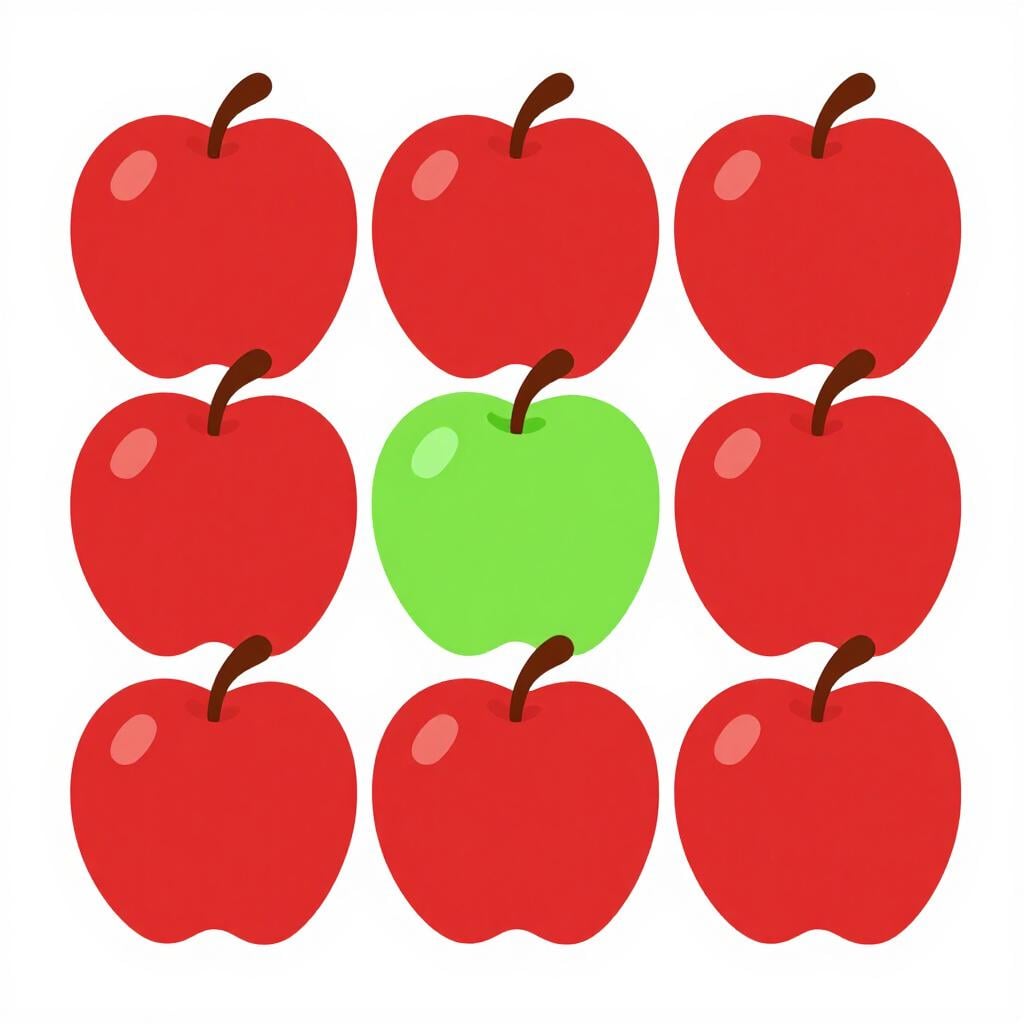
📝 In Action
No puedo diferenciar a los gemelos.
A2I can't tell the twins apart.
Es importante diferenciar entre un hecho y una opinión.
B1It is important to distinguish between a fact and an opinion.
Un experto sabe diferenciar un vino caro de uno barato.
B2An expert knows how to tell an expensive wine from a cheap one.
to set apart
Also: to differentiate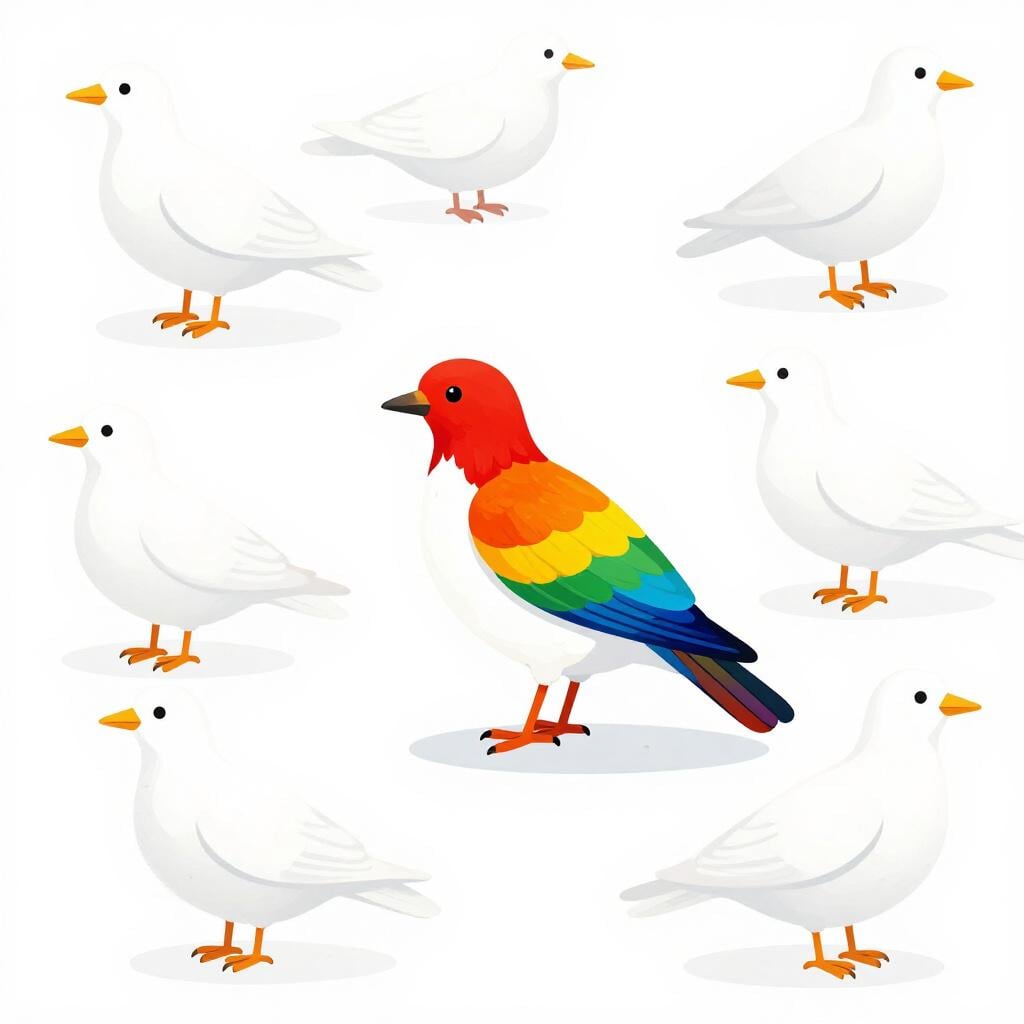
📝 In Action
Nuestra calidad nos diferencia de la competencia.
B1Our quality sets us apart from the competition.
Ella busca un estilo que la diferencie de los demás.
B1She looks for a style that makes her stand out from the others.
Subjunctive
Imperfect Subjunctive
Present Subjunctive
Indicative
Preterite
Imperfect
Present
Translate to Spanish
✏️ Quick Practice
Quick Quiz: diferenciar
Question 1 of 3
Which sentence correctly uses 'diferenciar' to mean 'to tell apart'?
📚 More Resources
👥 Word Family▼
📚 Etymology▼
From the Latin word 'differentiare', which comes from 'differentia', meaning 'diversity' or 'difference'.
First recorded: 13th century
Cognates (Related words)
💡 Master Spanish
Take your Spanish to the next level. Read 200+ illustrated and narrated Spanish stories tailored to your level with the Inklingo app!
Frequently Asked Questions
Is 'diferenciar' a stem-changing verb?
No, 'diferenciar' is a completely regular -ar verb. It follows the same patterns as 'hablar' or 'cantar'.
What's the difference between 'diferenciar' and 'distinguir'?
They are almost identical and usually interchangeable. 'Distinguir' can sometimes mean 'to see clearly' in the distance, while 'diferenciar' always focuses on the comparison.
How do I say 'to differ'?
You can use the reflexive form 'diferenciarse' (e.g., 'esto se diferencia de aquello') or the verb 'diferir'.