How to Say "to embody" in Spanish
The most common Spanish word for “to embody” is “encarnar” — use 'encarnar' when you want to say that someone or something represents or personifies a quality, idea, or spirit.

Use 'encarnar' when you want to say that someone or something represents or personifies a quality, idea, or spirit.
Learn more →
Choose 'materializar' when you mean to make an abstract idea or dream become real or physically present.
Learn more →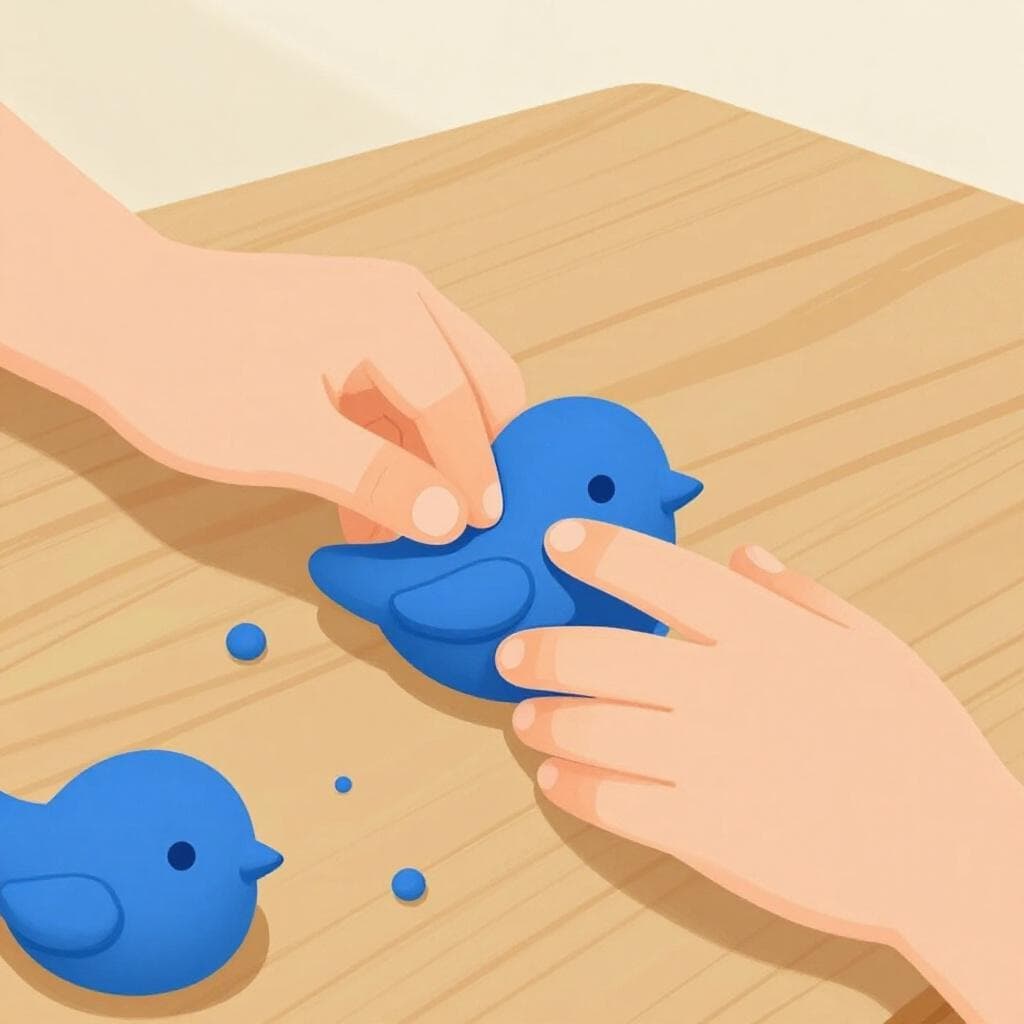
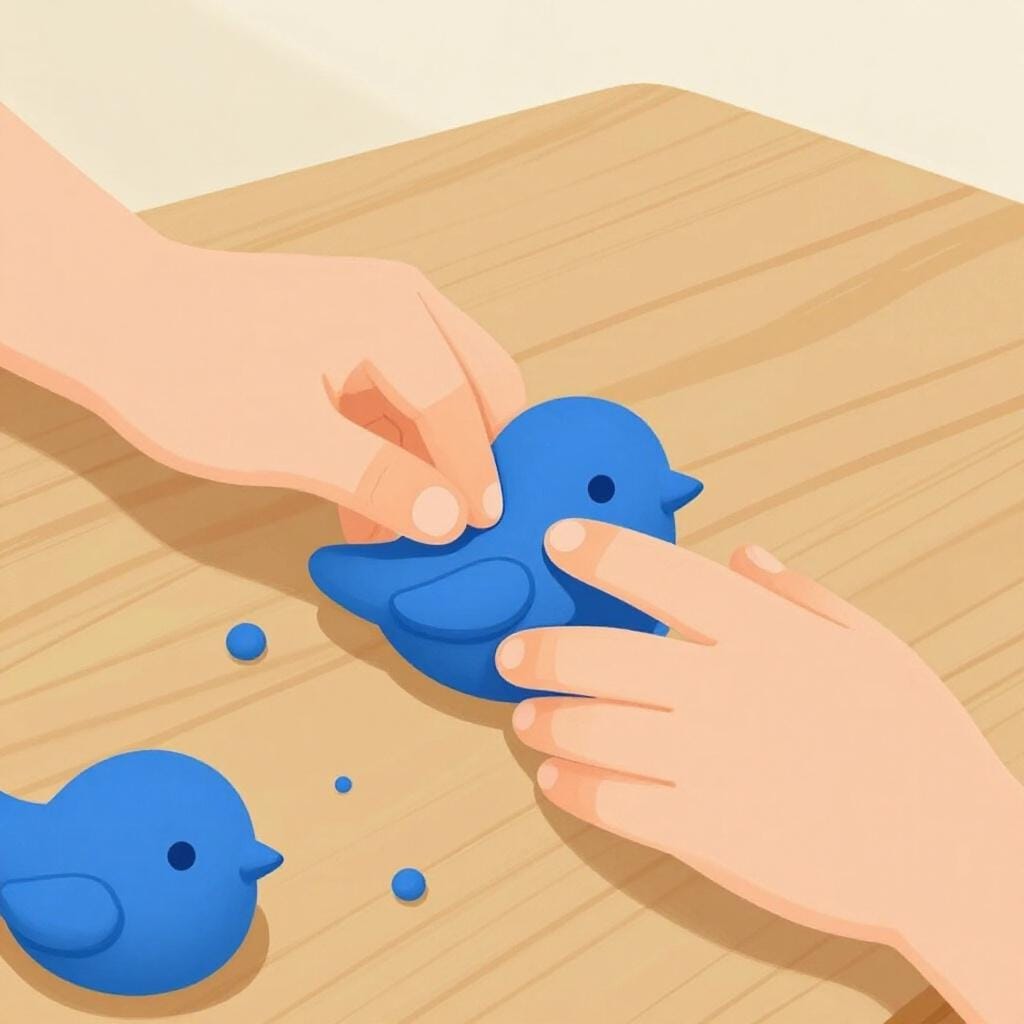
Use 'plasmar' when you are talking about expressing or giving form to thoughts, feelings, or theories, especially in an artistic or creative context.
Learn more →en-kar-NAReŋkaɾˈnaɾ

Examples
Ella encarna los valores de nuestra empresa.
She embodies our company's values.
Este líder encarna la esperanza de todo un pueblo.
This leader personifies the hope of an entire people.
Sus obras encarnan la lucha por la justicia.
His works represent the struggle for justice.
Using 'encarnar' with abstract things
This word is most often used with abstract nouns like 'hope,' 'justice,' or 'evil' to show that a person is the living example of that concept.
Confusing with 'encargar'
Mistake: “Me encarnaron la tarea.”
Correction: Me encargaron la tarea. 'Encarnar' is about embodying something, while 'encargar' means to assign a task.
mah-teh-ryah-lee-SARmateɾjaliˈθaɾ
Examples
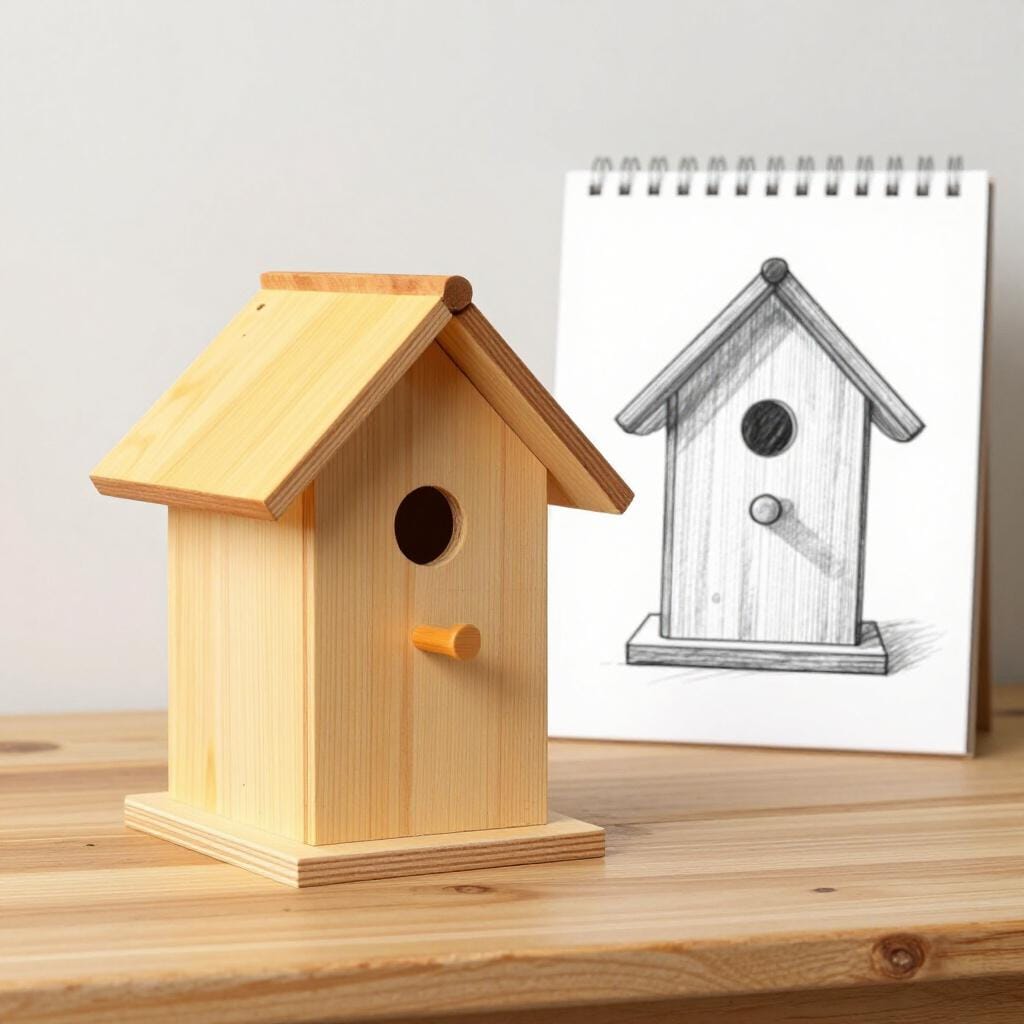
Después de años de ahorro, pudieron materializar su sueño de comprar una casa.
After years of saving, they were able to make their dream of buying a house come true.
El arquitecto logró materializar su visión en este edificio.
The architect managed to bring his vision to life in this building.
Es momento de materializar los planes que discutimos en la reunión.
It is time to put the plans we discussed in the meeting into action.
The 'Z' to 'C' Swap
When the letter 'z' is followed by an 'e', it changes to a 'c'. You'll see this in the 'yo' form of the past tense (materialicé) and all forms of the subjunctive mood (materialice).
Action vs. Result
Use this word when you want to emphasize turning something invisible (like a thought) into something you can touch or see.
Confusing with 'Realize'
Mistake: “Me materialicé que era tarde.”
Correction: Me di cuenta de que era tarde. 'Materializar' is about making things real, while 'darse cuenta' is about understanding something in your mind.
plah-SMAHRplazˈmaɾ
Examples
El artista logró plasmar sus sentimientos en el lienzo.
The artist managed to give shape to his feelings on the canvas.
Es difícil plasmar una idea tan compleja en un solo párrafo.
It is difficult to express such a complex idea in a single paragraph.
Queremos plasmar nuestra visión en este nuevo proyecto.
We want to embody our vision in this new project.
Using 'en' with Plasmar
When you want to describe where an idea is being put (like a canvas or a book), you almost always use the word 'en' (in/on).
A Regular Verb
Good news! This verb follows the normal pattern for -ar verbs in all tenses, so you don't need to learn any weird spelling changes.
Don't use it for literal clay
Mistake: “Voy a plasmar una estatua de barro.”
Correction: Voy a moldear una estatua de barro. Use 'plasmar' for the creative expression or the idea, but use 'moldear' for the physical act of shaping a material like clay.
Encarnar vs. Plasmar vs. Materializar
Learners often confuse 'encarnar' and 'plasmar'. Remember that 'encarnar' is about representing an abstract quality (like values), while 'plasmar' is about giving tangible form to internal states (like feelings) or ideas, often artistically. 'Materializar' is for making concrete plans or dreams a reality.
Related Translations
Learn Spanish with Inklingo
Interactive stories, personalized learning, and more.