How to Say "to play" in Spanish
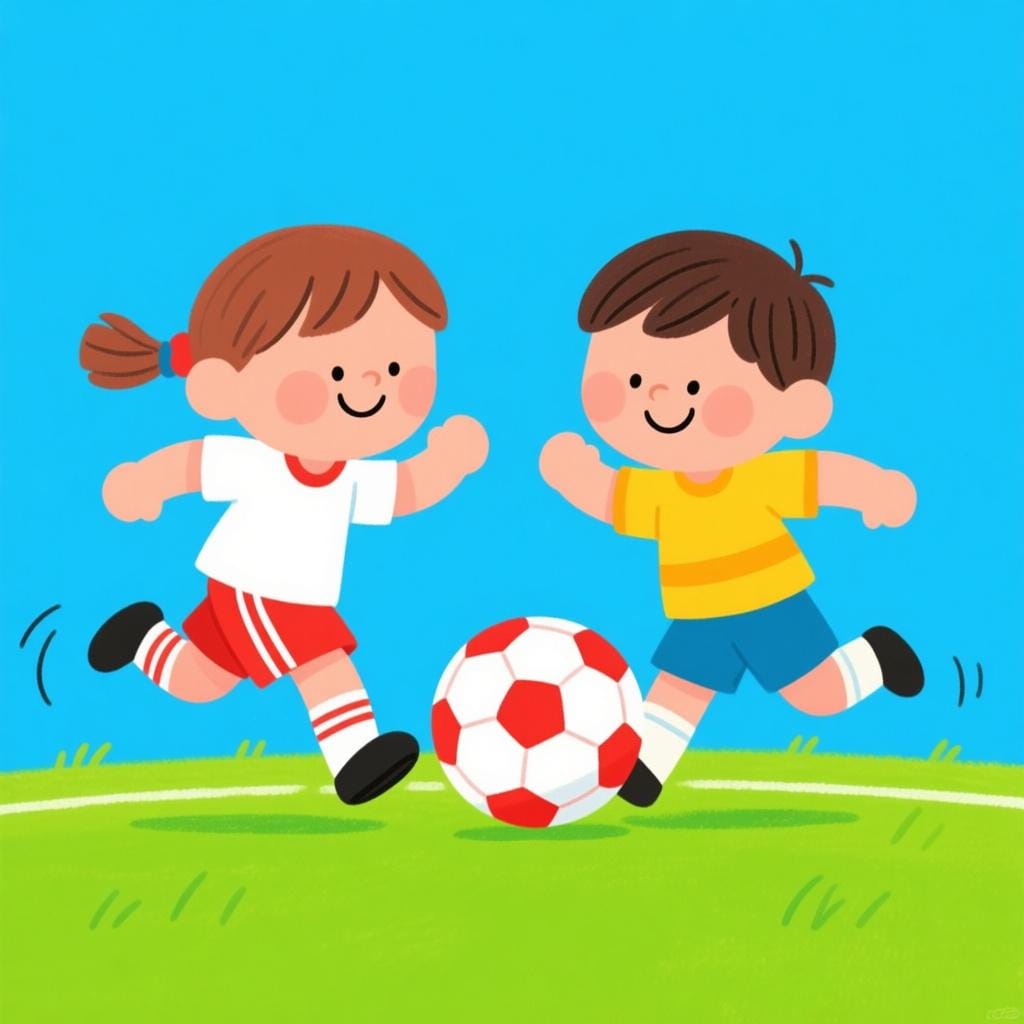
The most common Spanish word for “to play” is “jugar” — use this word when referring to playing games, sports, or children playing in a general sense.
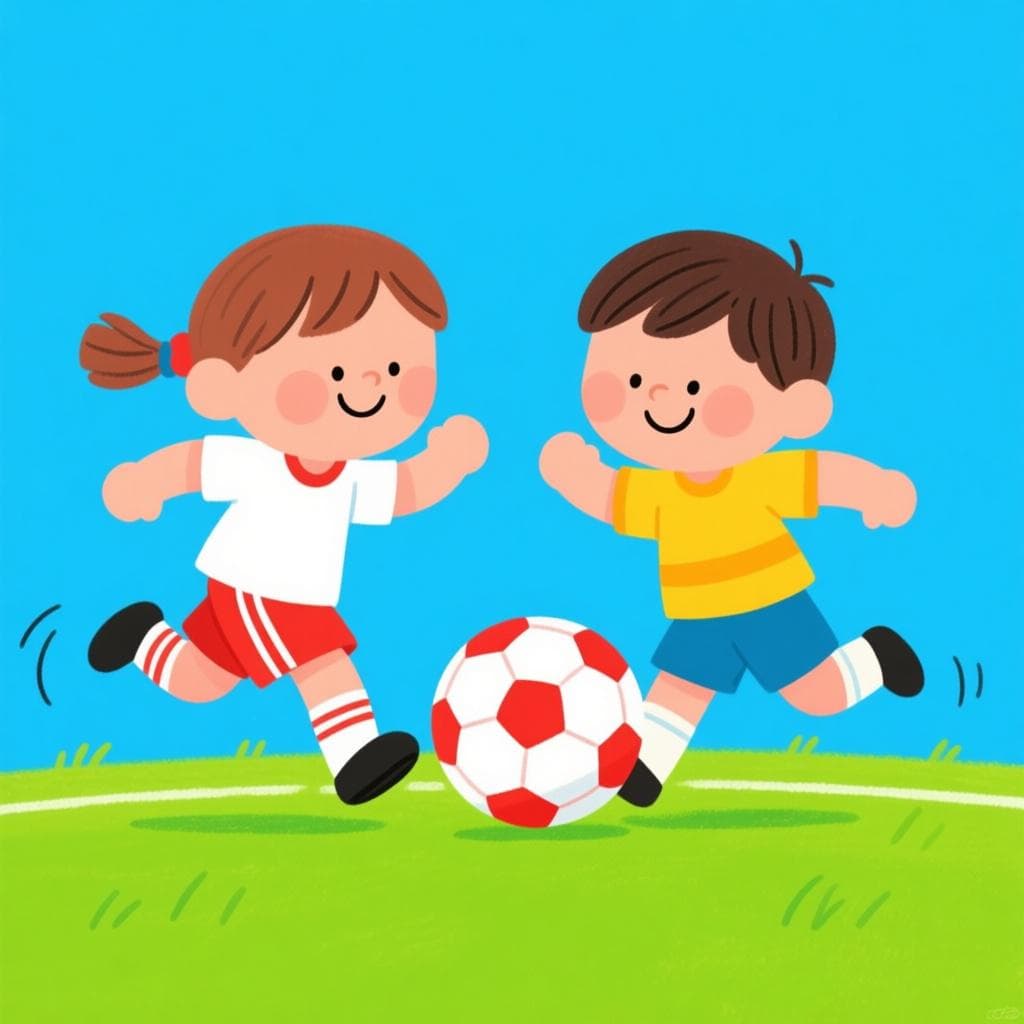
Use this word when referring to playing games, sports, or children playing in a general sense.
Learn more →
This word is used to express the idea of having fun, especially by children, or to wish someone enjoyment.
Learn more →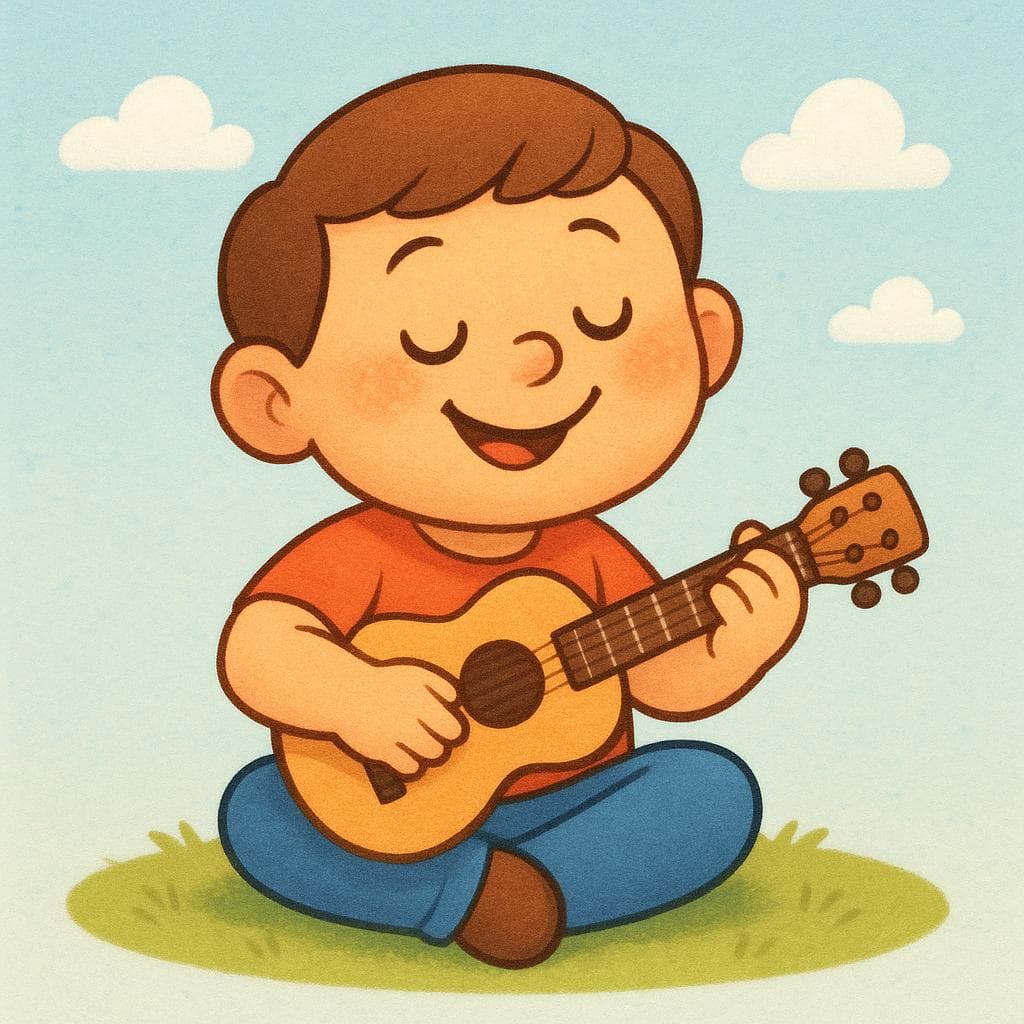
Use this verb when talking about playing a musical instrument or performing music.
Learn more →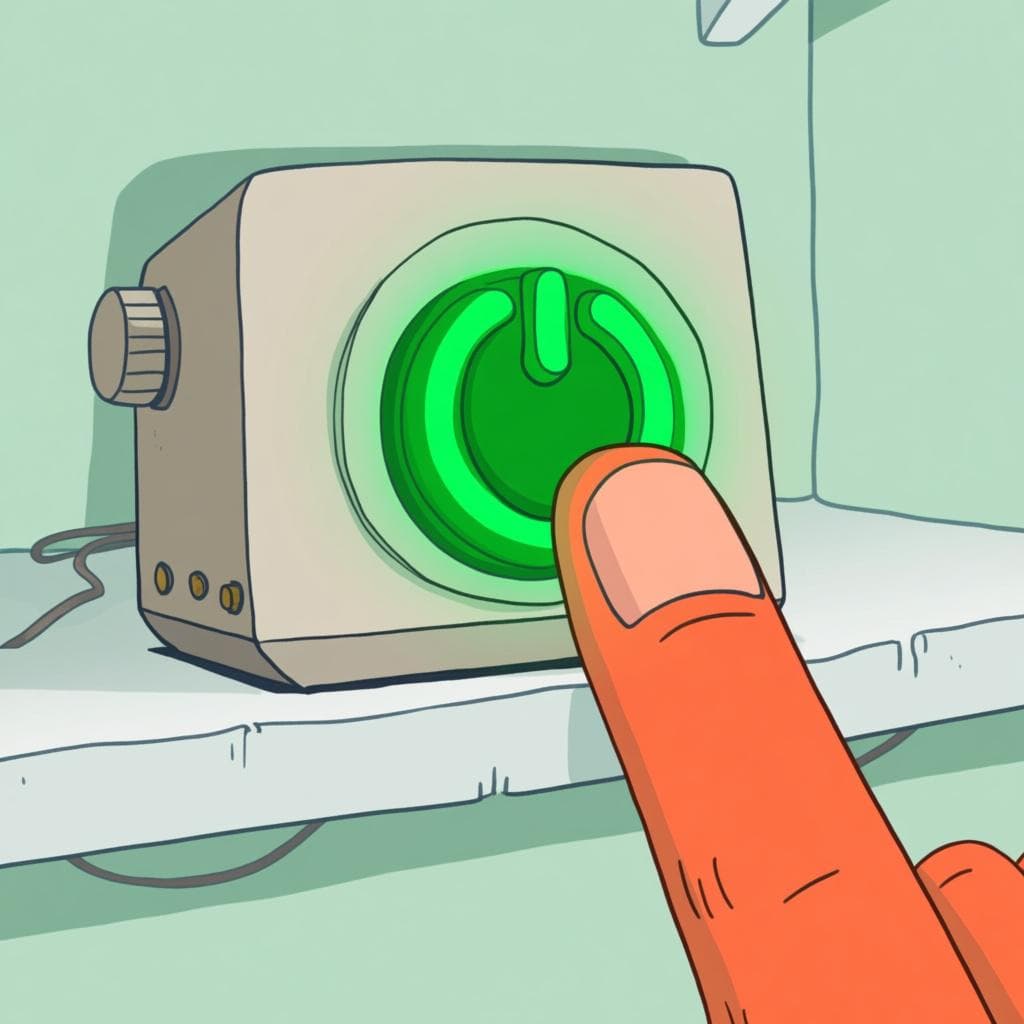
This is used to turn on or play media like the television or radio.
Learn more →
Use this word for playing back media such as video files or audio recordings on a device.
Learn more →
This verb refers to participating in a formal match, competition, or contest, often in sports.
Learn more →
Use this verb when someone is portraying or embodying a character in a play, film, or other performance.
Learn more →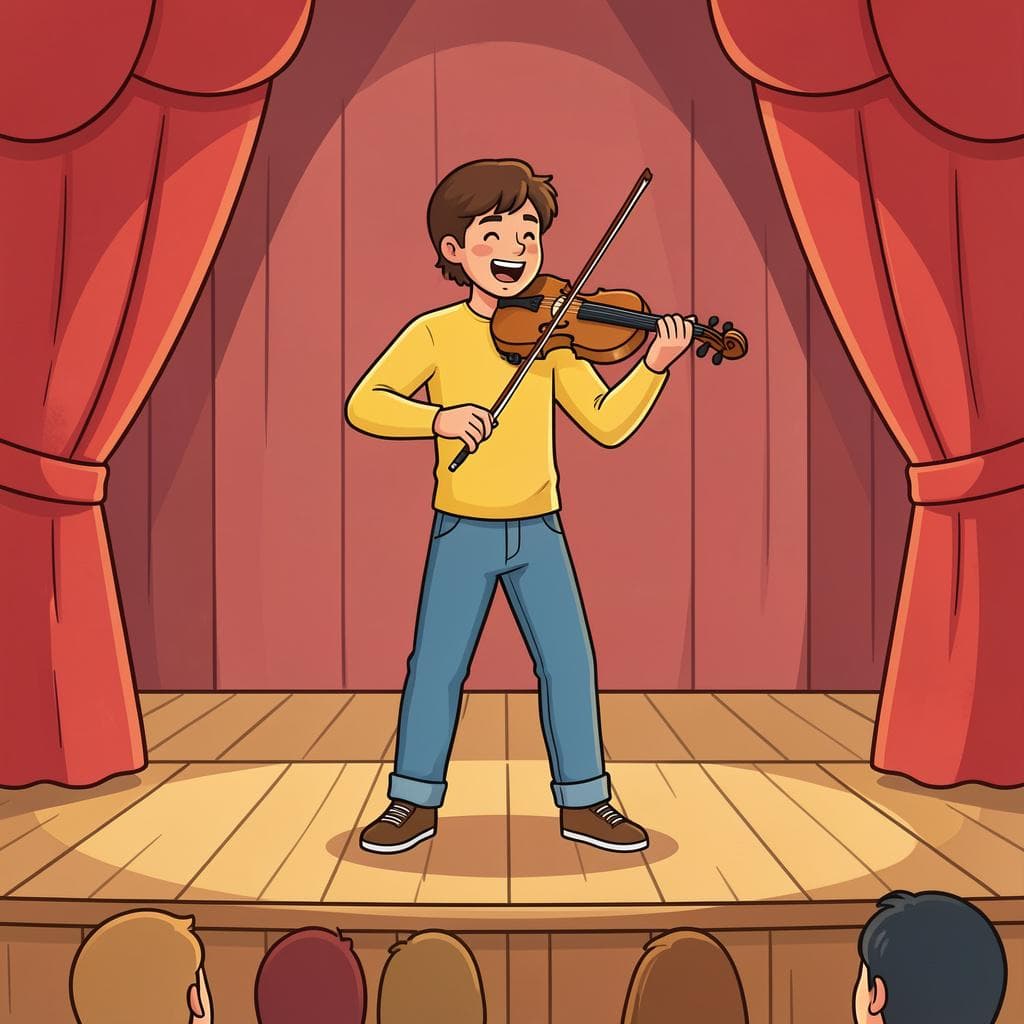
This word is used when an actor performs a specific role or character in a production.
Learn more →hoo-garxuˈɣaɾ
Examples
Los niños juegan en el parque todas las tardes.
The children play in the park every afternoon.
¿Quieres jugar al tenis conmigo este fin de semana?
Do you want to play tennis with me this weekend?
Ayer jugamos a las cartas hasta muy tarde.
Yesterday we played cards until very late.
The Magic 'a'
When you talk about playing a specific sport or game, you almost always need to add 'a' after 'jugar'. So it's 'jugar a las cartas' (play cards) or 'jugar al fútbol' (play soccer).
The Shape-Shifting Stem
Notice how the 'u' in 'jugar' changes to 'ue' in some forms, like 'yo juego' (I play). This happens in the present tense for most persons, but not for 'nosotros' (we) or 'vosotros' (you all, informal).
Playing an Instrument
Mistake: “Me gusta jugar la guitarra.”
Correction: Me gusta tocar la guitarra. For instruments, Spanish uses the verb 'tocar', not 'jugar'. 'Jugar' is for games and sports.
Forgetting the 'a'
Mistake: “¿Quieres jugar tenis?”
Correction: ¿Quieres jugar al tenis? While you might hear people drop the 'a' in casual speech, it's a good habit to always include it when talking about a specific game or sport.
deeb-ehr-TEERdi.βeɾˈtiɾ

Examples
¡Que te diviertas!
Have fun! (said to someone using 'tú')
Nos divertimos mucho en la fiesta.
We had a lot of fun at the party.
Los niños se divierten en el parque.
The children have fun in the park.
The reflexive pronoun matches the subject
In 'divertirse', you add a pronoun BEFORE the verb that matches who is having fun: yo me divierto, tú te diviertes, él se divierte, nosotros nos divertimos.
Use 'que' + subjunctive for wishes
When you want to wish someone fun, use 'Que + subjunctive': ¡Que te diviertas! (Have fun!), ¡Que se diviertan! (Have fun - plural). This is like saying 'May you have fun!'
Forgetting the reflexive pronoun
Mistake: “Saying 'Yo divierto' when you mean 'I have fun'”
Correction: Always add the 'se' part: 'Yo me divierto' = I have fun. 'Yo divierto' = I amuse (someone else).
Wrong placement of pronoun with commands
toh-KARtoˈkaɾ
Examples
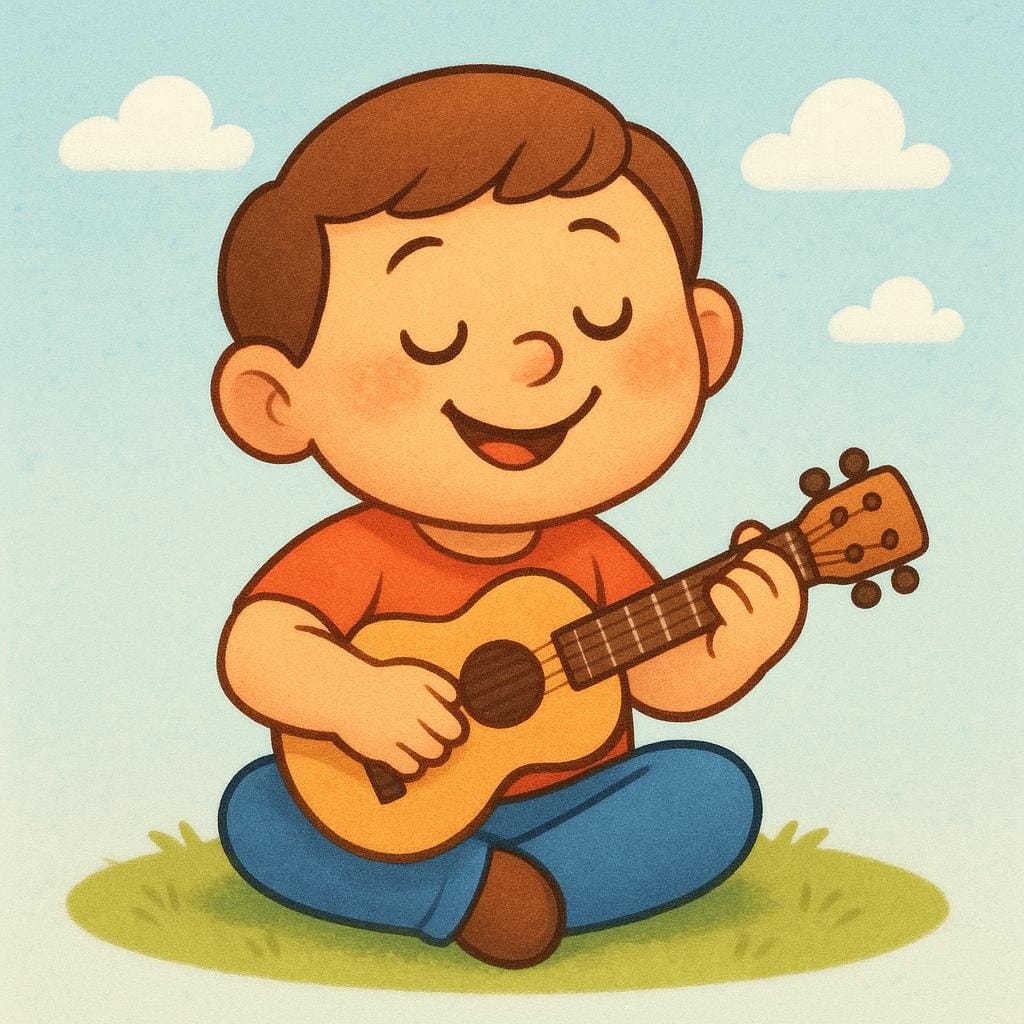
¿Sabes tocar la guitarra?
Do you know how to play the guitar?
El DJ tocó música increíble en la fiesta.
The DJ played incredible music at the party.
Queremos tocar un concierto en el teatro local.
We want to play a concert at the local theater.
No 'Jugar' for Music
Unlike English, which uses 'play' for both games and instruments, Spanish always uses 'tocar' for music and instruments. Use 'jugar' only for sports or games.
Using 'Jugar' Incorrectly
Mistake: “Juego el piano (I play the piano).”
Correction: Toco el piano (Use 'tocar' for instruments).
po-nerpoˈneɾ
Examples
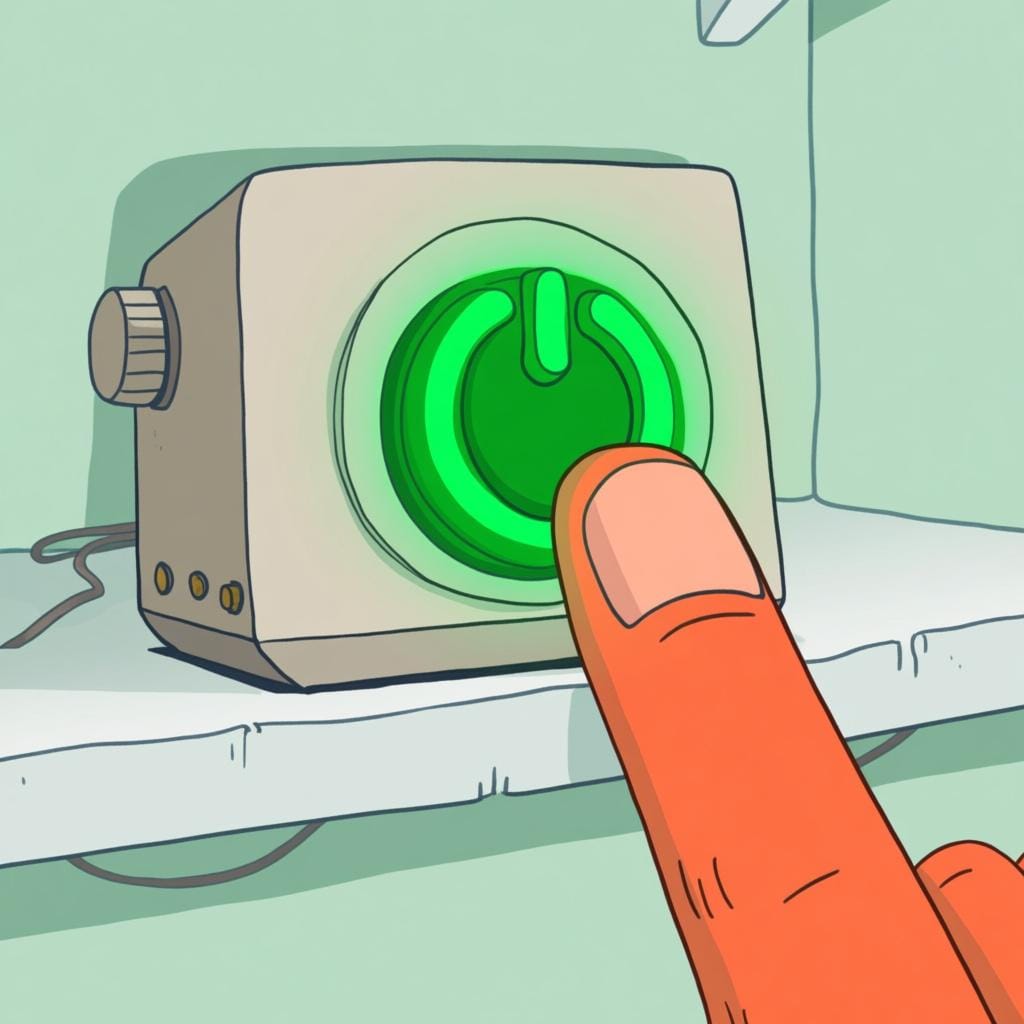
Por favor, pon la televisión.
Please, turn on the television.
¿Puedes poner algo de música?
Can you put on some music?
Puse la calefacción porque hacía frío.
I turned on the heat because it was cold.
rreh-pro-doo-SEERreproðuˈθir

Examples
No puedo reproducir este video en mi teléfono.
I can't play this video on my phone.
Haz clic en el botón para reproducir la canción.
Click the button to play the song.
La aplicación está reproduciendo la lista de forma aleatoria.
The app is playing the playlist randomly.
The 'Z' Surprise
For the 'I' form in the present, this word adds a 'z' before the 'c': 'reproduzco.' This happens with many verbs ending in -ducir.
The 'J' in the Past
When talking about the past (the finished kind), the 'c' changes to a 'j'. So it's 'reproduje' (I played) instead of 'reproducí'.
Don't use 'Tocar' for Videos
Mistake: “Voy a tocar un video.”
Correction: Voy a reproducir un video. Use 'tocar' for physical instruments or touching things; use 'reproducir' for digital media.
dees-poo-tahrdis.puˈtaɾ

Examples
Los dos equipos van a disputar la final el domingo.
The two teams are going to play the final on Sunday.
Muchos candidatos disputan el puesto de director.
Many candidates are competing for the position of director.
El ciclista disputó el liderato hasta el último kilómetro.
The cyclist fought for the lead until the last kilometer.
Disputar vs. Play
While 'jugar' means to play for fun, 'disputar' is used when emphasizing the competition or the official nature of a game.
Action vs. Result
Using 'disputar' implies the action is happening now or is scheduled; it focuses on the struggle to win.
Confusing with 'discutir'
Mistake: “Usaron disputar para decir que estaban hablando agresivamente.”
Correction: Use 'discutir' for verbal arguments. 'Disputar' is usually for physical or professional competitions.
en-kar-NAReŋkaɾˈnaɾ

Examples
El actor va a encarnar a Hamlet en la nueva obra.
The actor is going to play Hamlet in the new play.
¿Quién encarna al villano en la película?
Who plays the villain in the movie?
Fue un reto encarnar a una figura histórica tan compleja.
It was a challenge to portray such a complex historical figure.
The personal 'a'
When you say 'to play [a person/character],' you must use the 'personal a'. For example: 'Encarnar A Sherlock Holmes'.
Missing the 'a'
Mistake: “Él encarna el personaje principal.”
Correction: Él encarna AL personaje principal. (Remember: a + el = al).
een-tehr-preh-TARinteɾpɾeˈtaɾ
Examples
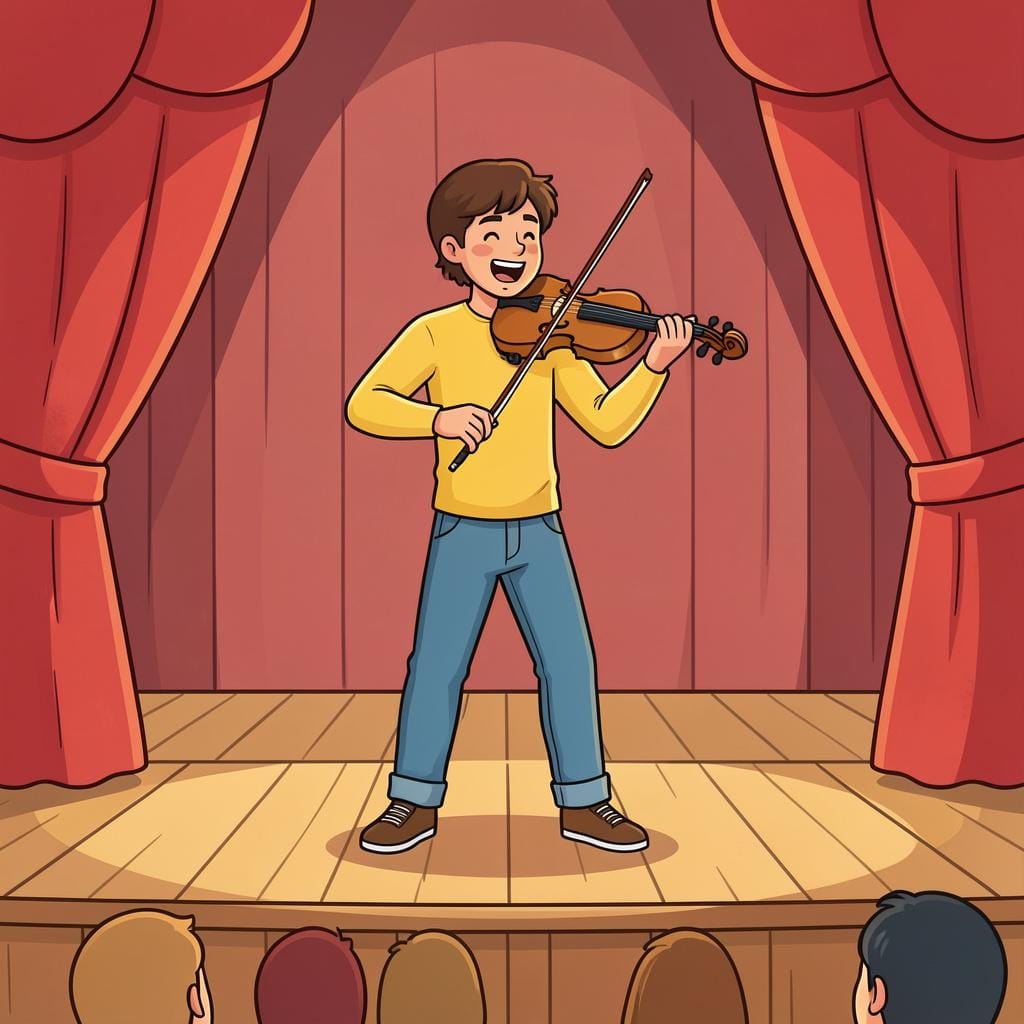
El actor interpreta el papel de un villano muy famoso.
The actor plays the role of a very famous villain.
La orquesta interpretará la Quinta Sinfonía.
The orchestra will perform the Fifth Symphony.
Jugar vs. Tocar vs. Poner
The most common confusion is between 'jugar' (games/sports), 'tocar' (instruments), and 'poner' (media). Remember: you 'jugar' a sport, 'tocar' an instrument, and 'poner' the TV. Don't confuse these three basic uses.
Related Translations
Learn Spanish with Inklingo
Interactive stories, personalized learning, and more.