plasmar
“plasmar” means “to give shape to” in Spanish. It has 2 different meanings depending on context:
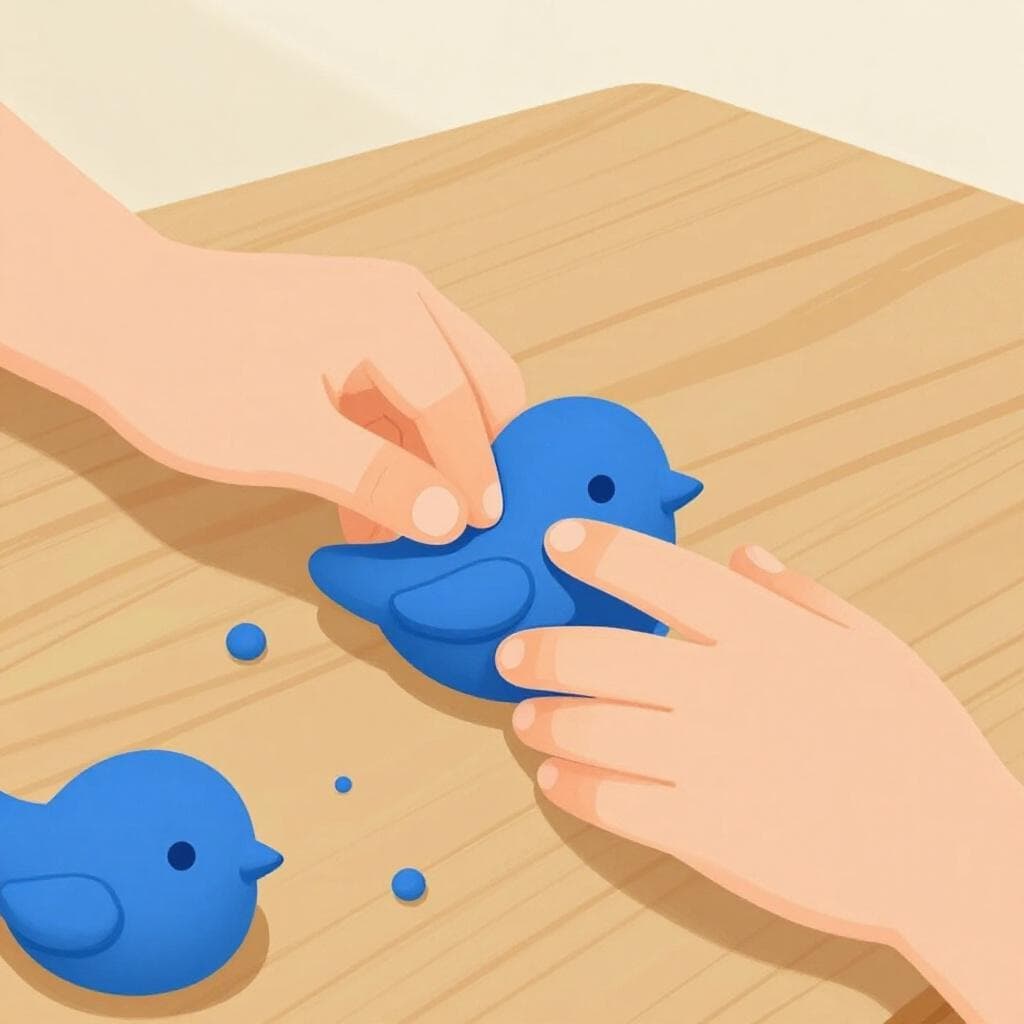

to give shape to, to express
Also: to embody
📝 In Action
El artista logró plasmar sus sentimientos en el lienzo.
B2The artist managed to give shape to his feelings on the canvas.
Es difícil plasmar una idea tan compleja en un solo párrafo.
B2It is difficult to express such a complex idea in a single paragraph.
Queremos plasmar nuestra visión en este nuevo proyecto.
C1We want to embody our vision in this new project.
to capture, to reflect
Also: to portray
📝 In Action
La fotografía plasma la esencia de la ciudad.
C1The photograph captures the essence of the city.
El informe plasma la crisis actual de la empresa.
C1The report reflects the current crisis of the company.
Subjunctive
Imperfect Subjunctive
Present Subjunctive
Indicative
Preterite
Imperfect
Present
Translate to Spanish
✏️ Quick Practice
Quick Quiz: plasmar
Question 1 of 3
Which sentence best uses 'plasmar' to mean 'expressing an idea'?
📚 More Resources
👥 Word Family▼
📚 Etymology▼
From the Late Latin word 'plasma', which originally meant a 'mold' or 'image'. This came from the Greek word 'plasma', meaning 'something formed'.
First recorded: 17th century
Cognates (Related words)
💡 Master Spanish
Take your Spanish to the next level. Read 200+ illustrated and narrated Spanish stories tailored to your level with the Inklingo app!
Frequently Asked Questions
Is 'plasmar' used in science like the English word 'plasma'?
Not as a verb. While the noun 'el plasma' refers to the state of matter or blood component, the verb 'plasmar' is almost strictly about creative expression or capturing images/ideas.
Can I use 'plasmar' instead of 'escribir'?
Yes, but only if you want to emphasize that you are specifically putting your 'ideas' or 'soul' into the writing, rather than just the act of taking notes.
Is it a common word in daily life?
You won't hear it much at the grocery store, but you will see it frequently in newspapers, books, and on art programs.