How to Say "to reflect" in Spanish
The most common Spanish word for “to reflect” is “reflejar” — use 'reflejar' when talking about light, images, or sound bouncing off a surface, or when something shows or demonstrates a quality, feeling, or fact.

Use 'reflejar' when talking about light, images, or sound bouncing off a surface, or when something shows or demonstrates a quality, feeling, or fact.
Learn more →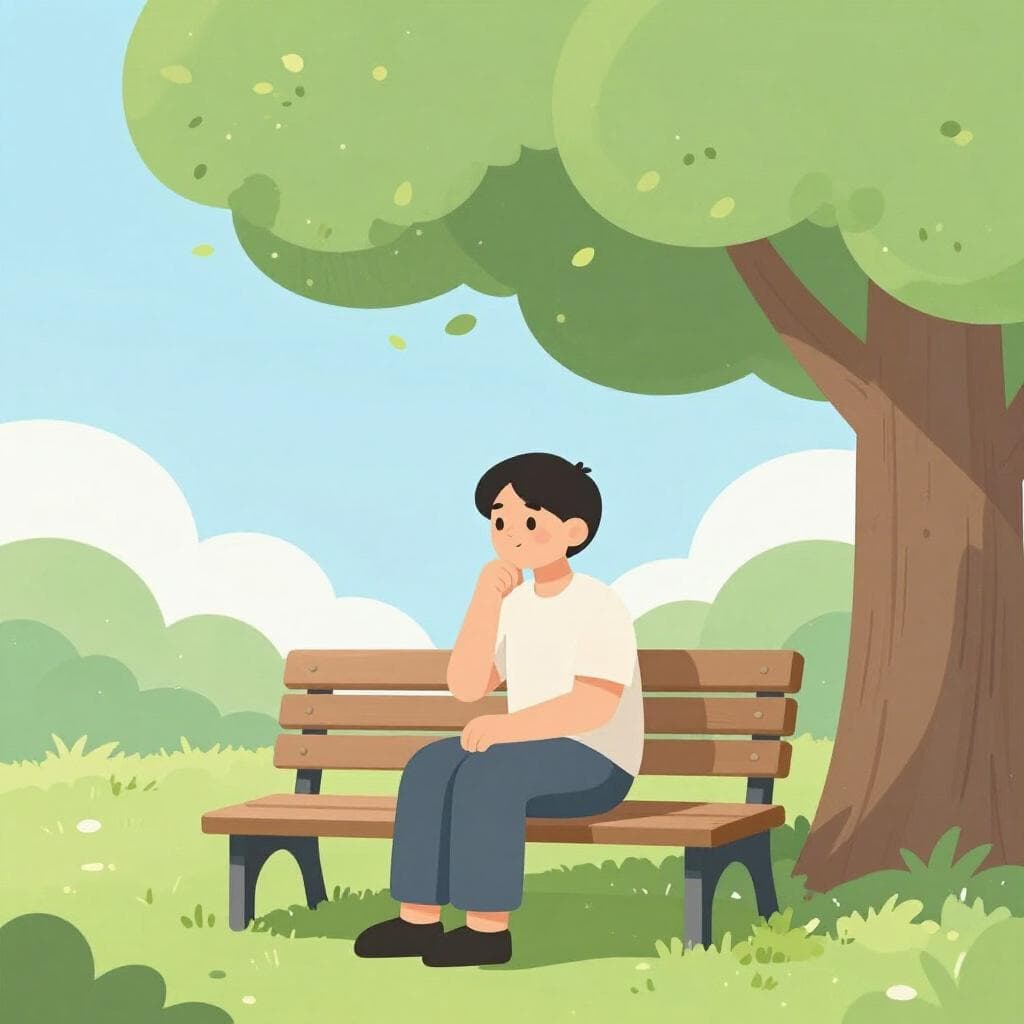
Use 'reflexionar' when you mean to think deeply or ponder about something, often a personal matter or a decision.
Learn more →
Use 'detener' (reflexively, 'detenerse') when you pause your actions or movement to consider something briefly.
Learn more →
Use 'plasmar' when an image, text, or work of art captures or expresses the essence or reality of something.
Learn more →re-fleh-HARrefleˈxaɾ
Examples
El espejo refleja mi cara.
The mirror reflects my face.
El espejo refleja la luz del sol.
The mirror reflects the sunlight.
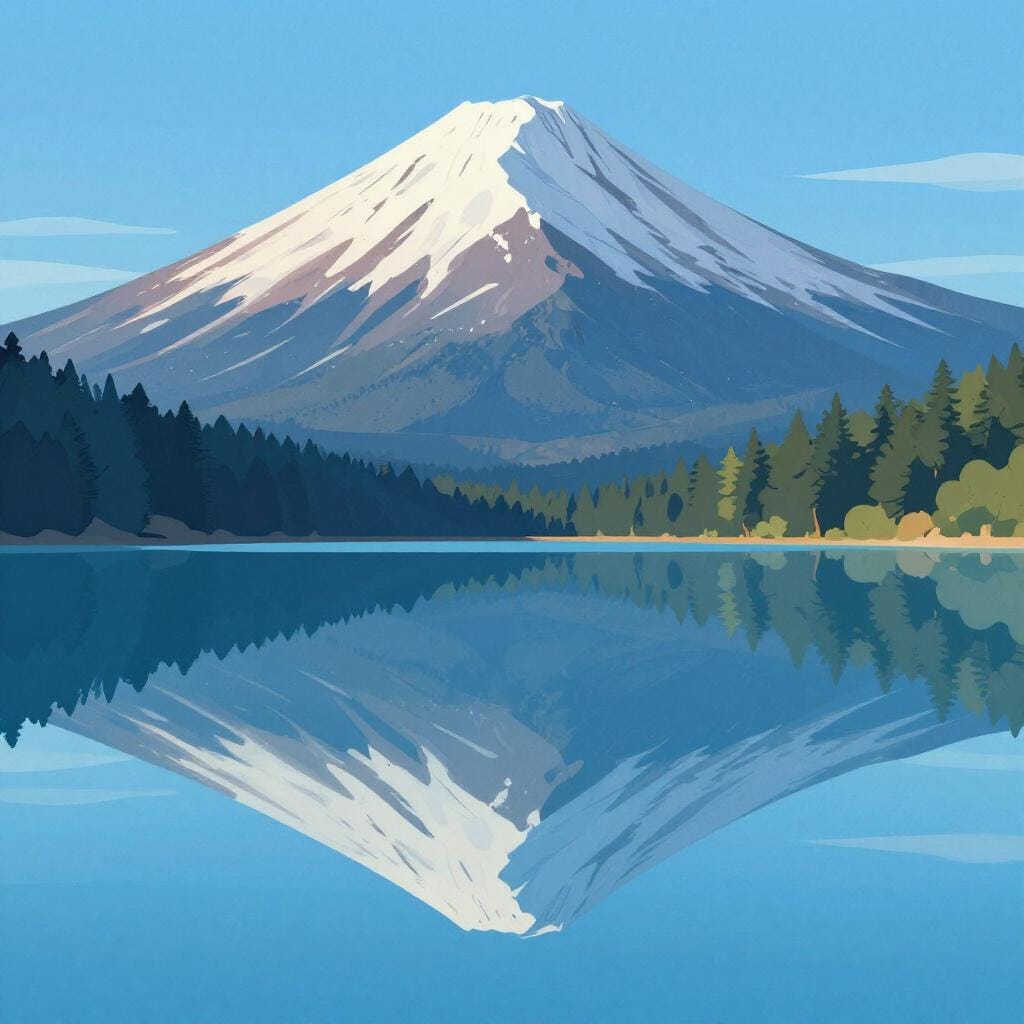
Las montañas se reflejan en el agua del lago.
The mountains are reflected in the lake water.
Si limpias el metal, volverá a reflejar tu imagen.
If you clean the metal, it will reflect your image again.
Using 'se' with reflections
When talking about an object showing its own image (like a mountain in a lake), we add 'se' to make it 'reflejarse'.
The 'J' sound
In Spanish, the 'j' in reflejar sounds like a strong 'h' in English. It should come from the back of your throat.
Abstract Subjects
Unlike the physical meaning, the figurative meaning often uses abstract things as the subject, such as 'The report reflects' or 'Her face reflects'.
Reflecting on thoughts
Mistake: “Using 'reflejar' to mean 'thinking deeply about something'.”
Correction: Use 'reflexionar' instead. 'Reflejar' is about showing, not thinking.
Reflejar vs Expresar
Mistake: “Using 'reflejar' when you mean to verbally state something.”
Correction: Reflejar is about what is visible or evident from the outside; use 'expresar' if someone is speaking their mind.
reh-flehk-syoh-NAHRrefleksjoˈnaɾ

Examples
Tengo que reflexionar sobre lo que pasó.
I have to reflect on what happened.
Necesito tiempo para reflexionar sobre mi futuro.
I need time to reflect on my future.
Después de reflexionar un rato, decidió no comprar el coche.
After pondering for a while, he decided not to buy the car.
Es importante reflexionar antes de actuar.
It is important to think deeply before acting.
Using the right bridge word
When you want to say what you are reflecting 'on' or 'about,' always use the word 'sobre' or 'acerca de.' In English we say 'think about,' but in Spanish, we 'reflect over.'
A regular star
Good news! This verb is completely regular. It follows the standard pattern for all '-ar' verbs in every tense, making it easy to conjugate once you know the basics.
Reflexionar vs. Reflejar
Mistake: “El espejo reflexiona mi cara.”
Correction: El espejo refleja mi cara. Use 'reflexionar' only for mental activity (thinking), and 'reflejar' for physical things like mirrors or light.
deh-teh-NEHRde.teˈneɾ

Examples
Me detuve a pensar en su consejo.
I stopped to reflect on his advice.
Me detuve a mirar el escaparate.
I stopped myself to look at the shop window.
El coche se detuvo de repente.
The car stopped suddenly.
Detente, necesito hablar contigo.
Stop, I need to talk to you.
The Reflexive 'Se'
When you add 'se' to 'detener' (detenerse), it means the subject is stopping itself. Remember to use the matching pronoun (me, te, nos, etc.) before the verb.
Imperative Pronoun Placement
Mistake: “Saying 'Te detén' for 'Stop!'”
Correction: In affirmative commands, the pronoun attaches to the end of the verb: 'Detente.' In negative commands, it goes before: 'No te detengas.'
plah-SMAHRplazˈmaɾ
Examples
El artista plasma la tristeza en su pintura.
The artist reflects sadness in his painting.
La fotografía plasma la esencia de la ciudad.
The photograph captures the essence of the city.
El informe plasma la crisis actual de la empresa.
The report reflects the current crisis of the company.
A 'Stronger' Word for Capture
While 'capturar' is usually for catching a thief or taking a photo, 'plasmar' implies that the final result shows the spirit or depth of the subject.
Thinking 'reflejar' always means 'to think'
Many learners default to 'reflejar' for all meanings of 'to reflect'. Remember that 'reflejar' primarily concerns physical reflections (light, image) or showing qualities. For deep thought, use 'reflexionar'.
Related Translations
Learn Spanish with Inklingo
Interactive stories, personalized learning, and more.