How to Say "to lie" in Spanish
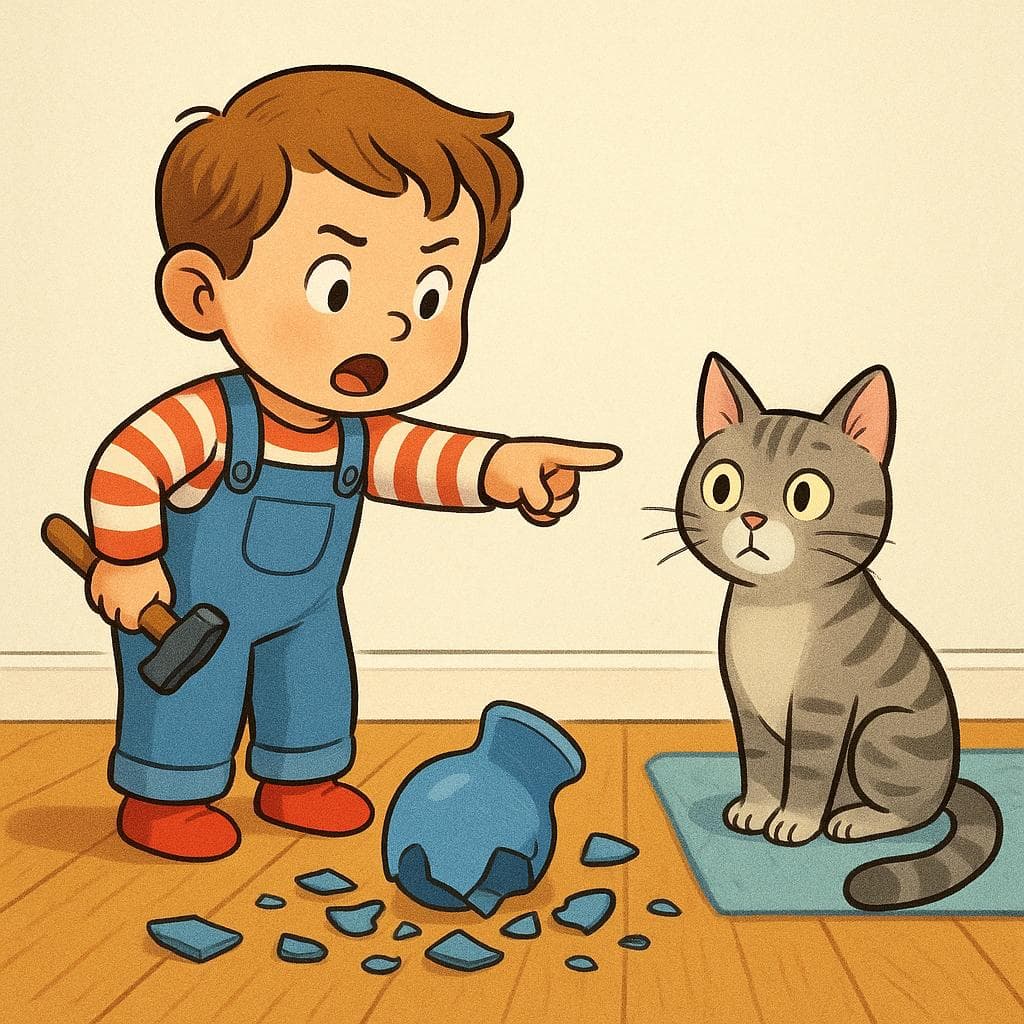
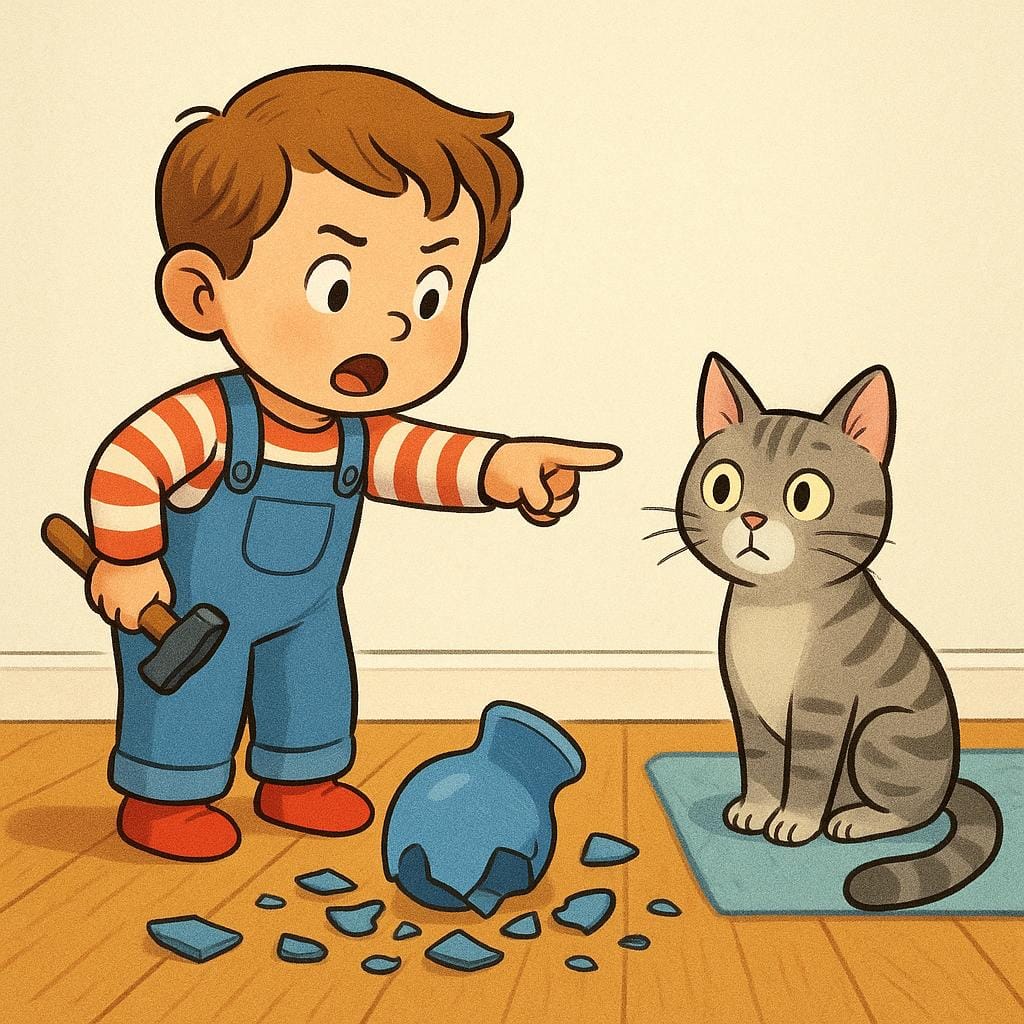
The most common Spanish word for “to lie” is “mentir” — use this word when you mean to say something that is not true, often with the intent to deceive.


mentir
men-TEERmenˈtiɾ
Examples
Ella siempre miente sobre su edad.
She always lies about her age.
Prométeme que nunca me mentirás.
Promise me that you will never lie to me.
Aunque me mintió, creo que lo hizo para protegerme.
Even though he lied to me, I think he did it to protect me.
The 'Boot' Conjugation (e -> ie)
In the present tense, the 'e' in the middle of 'mentir' changes to 'ie' (miento, mientes, miente, mienten). However, the 'nosotros' and 'vosotros' forms are regular (mentimos, mentís).
Subjunctive and Past Tense Stem Change (e -> i)
In the Preterite (past tense) and Subjunctive, the vowel changes even further, from 'e' to 'i' in some forms (e.g., él mintió in the past, or nosotros mintamos in the subjunctive). This is common for -ir stem-changing verbs.
Confusing the stem change
Mistake: “Using 'mentamos' instead of 'mintamos' for the 'nosotros' form in the present subjunctive.”
Correction: The correct form is 'mintamos' (using the 'i' stem). Remember that the 'nosotros' and 'vosotros' forms of these verbs use the 'i' stem when in the subjunctive or past tense.
yacer
ya-SEHRʝaˈseɾ

Examples
Aquí yace el gran poeta.
Here lies the great poet.
Los restos de la antigua civilización yacen bajo la arena.
The remains of the ancient civilization lie beneath the sand.
El perro yacía tranquilamente junto a la chimenea.
The dog was lying peacefully by the fireplace.
The 'Yo' Form Variation
The 'yo' form is very unusual. While 'yazgo' is the most common, some writers also use 'yago' or 'yaceo'. Stick with 'yazgo' for most formal writing.
When to use 'yacer' vs 'estar tumbado'
In everyday life, if you want to say someone is lying on the couch, use 'está tumbado'. Use 'yacer' only for poetic descriptions or formal contexts like monuments.
Don't use it for regular sleeping
Mistake: “Yazco en mi cama cada noche.”
Correction: Duermo en mi cama cada noche. 'Yacer' is too heavy and formal for a daily routine.
descansar
dess-kahn-SAHRdes.kanˈsaɾ

Examples
La conclusión del estudio descansa en datos verificables.
The study's conclusion is based on verifiable data.
Nuestra esperanza descansa en la nueva generación de líderes.
Our hope rests (or relies) on the new generation of leaders.
Always Needs 'en'
When used in this figurative way (to rely or be based on), 'descansar' always needs the little word 'en' (on/in) immediately following it.
Omitting the Preposition
Mistake: “El plan descansa los hechos. (Incorrect)”
Correction: El plan descansa en los hechos. (The plan relies on the facts.)
Confusing 'mentir' with 'yacer' or 'descansar'
Related Translations
Learn Spanish with Inklingo
Interactive stories, personalized learning, and more.