How to Say "to rest" in Spanish
The most common Spanish word for “to rest” is “descansar” — use 'descansar' when you mean to take a break from an activity to relax or recover energy, often after exertion.


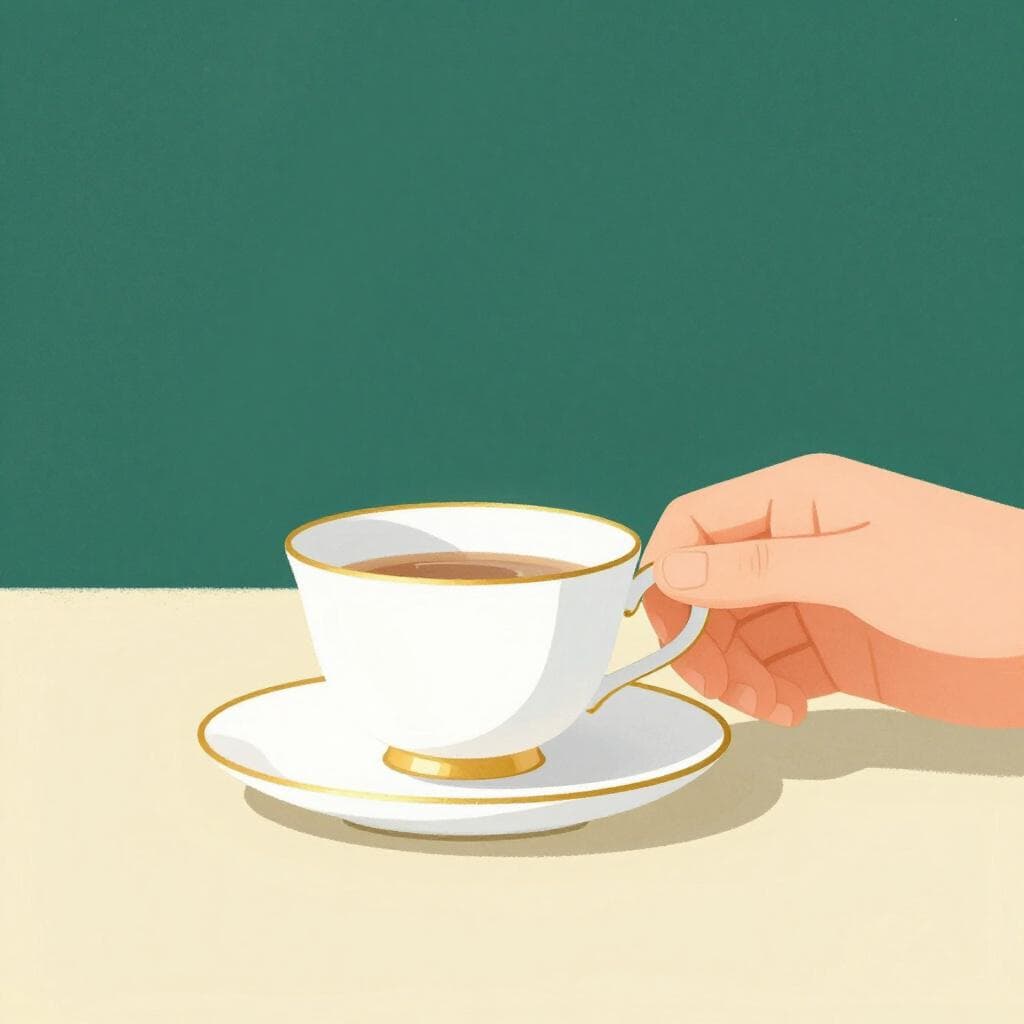
descansar
dess-kahn-SAHRdes.kanˈsaɾ

Examples
Necesito descansar después de este largo viaje.
I need to rest after this long trip.
¿Por qué no descansas la vista un rato?
Why don't you rest your eyes for a while?
Descansamos el sábado y el domingo.
We rest (are off work) on Saturday and Sunday.
A Regular AR Verb
This verb follows the easiest conjugation pattern (AR ending), so once you know one 'AR' verb, you know 'descansar'!
Confusing 'descansar' and 'relajarse'
Mistake: “Me voy a descansar en la playa. (I am going to rest at the beach.)”
Correction: While okay, 'Me voy a relajar en la playa' (I am going to relax at the beach) is often more natural for leisure activities.
Examples
Él apoya la escalera en la pared.
He leans the ladder against the wall.
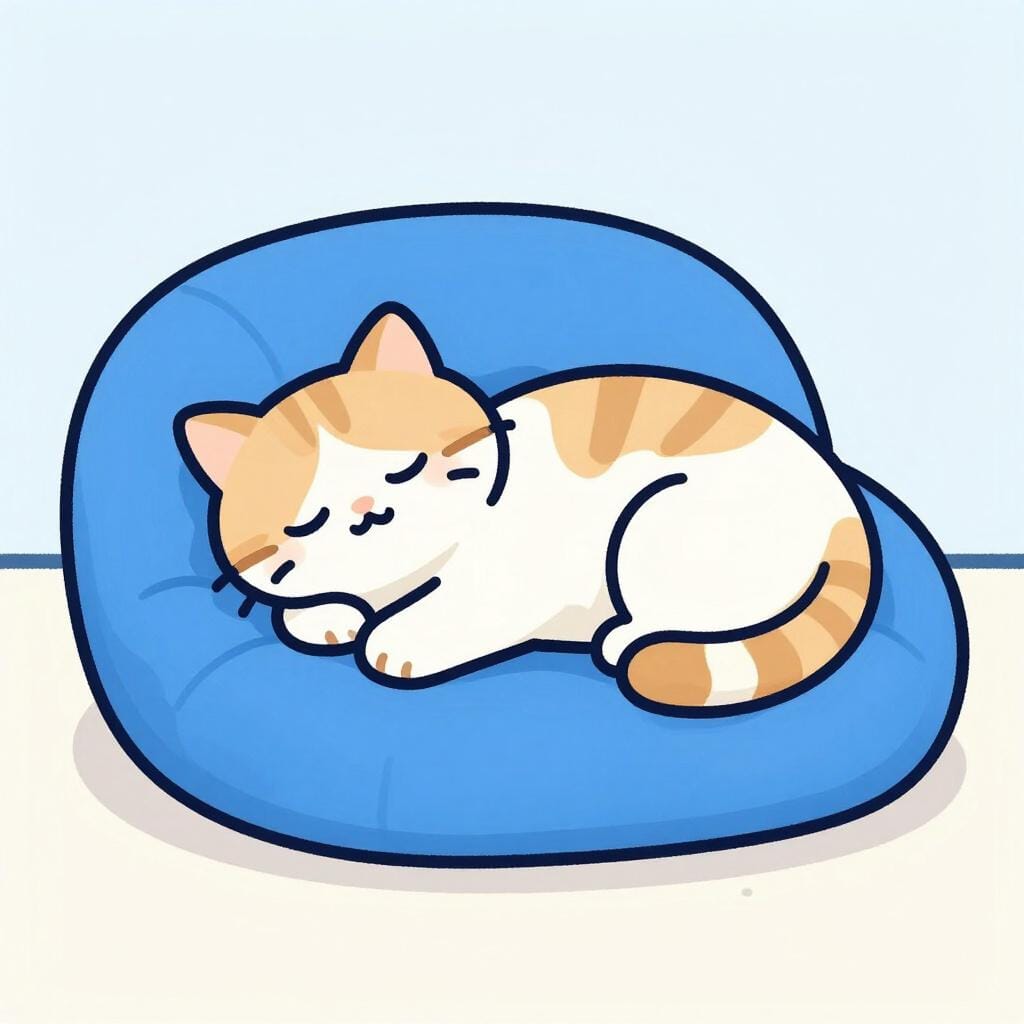
reposar
re-po-SARrepoˈsaɾ
Examples
Después de correr, necesito reposar un poco.
After running, I need to rest a bit.
El doctor me recomendó reposar en cama por tres días.
The doctor recommended that I stay in bed for three days.
Es bueno reposar la comida antes de volver al trabajo.
It's good to let your food digest (rest) before going back to work.
Reposar vs. Descansar
While both mean 'to rest,' reposar is more about physical stillness or staying in one place, while descansar is more general (like taking a break from work).
Resting an Object
Mistake: “Me gusta descansar la comida.”
Correction: Me gusta reposar la comida. (Use 'reposar' for the physical process of settling or digesting.)
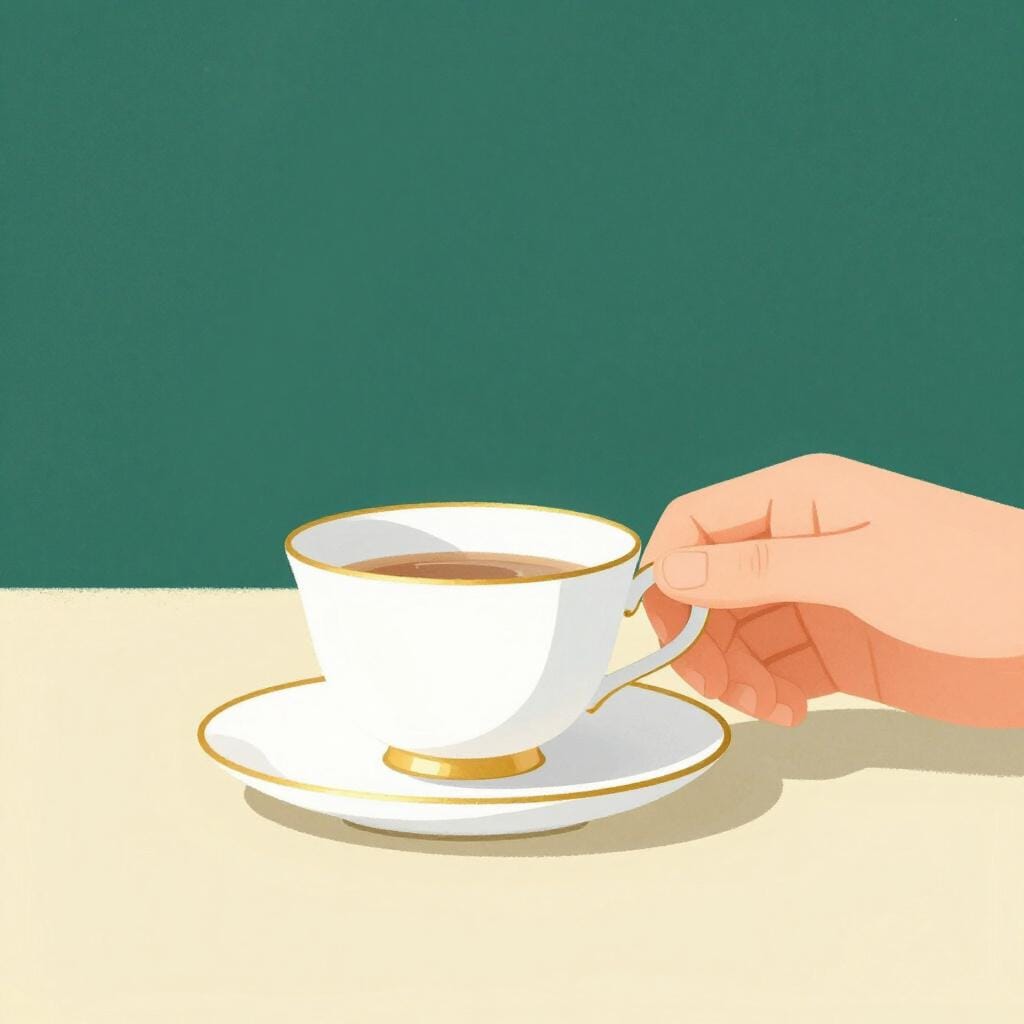
posar
po-sarpoˈsaɾ
Examples
Posó la taza sobre el plato sin hacer ruido.
He placed the cup on the plate without making a sound.
El abuelo posó su mano sobre mi hombro.
My grandfather rested his hand on my shoulder.
El colibrí se posó en la flor.
The hummingbird landed on the flower.
Using it with 'se'
When an animal (like a bird or butterfly) lands on something, we use the reflexive 'posarse': 'La mariposa se posó en mi nariz' (The butterfly landed on my nose).
Posar vs. Poner
Mistake: “Posó el libro en la mochila.”
Correction: Puso el libro en la mochila. ('Posar' implies a gentle, deliberate resting action, usually on a surface, not just putting something anywhere).
Confusing 'descansar' with 'apoyar'/'posar'
Related Translations
Learn Spanish with Inklingo
Interactive stories, personalized learning, and more.