How to Say "to lean" in Spanish
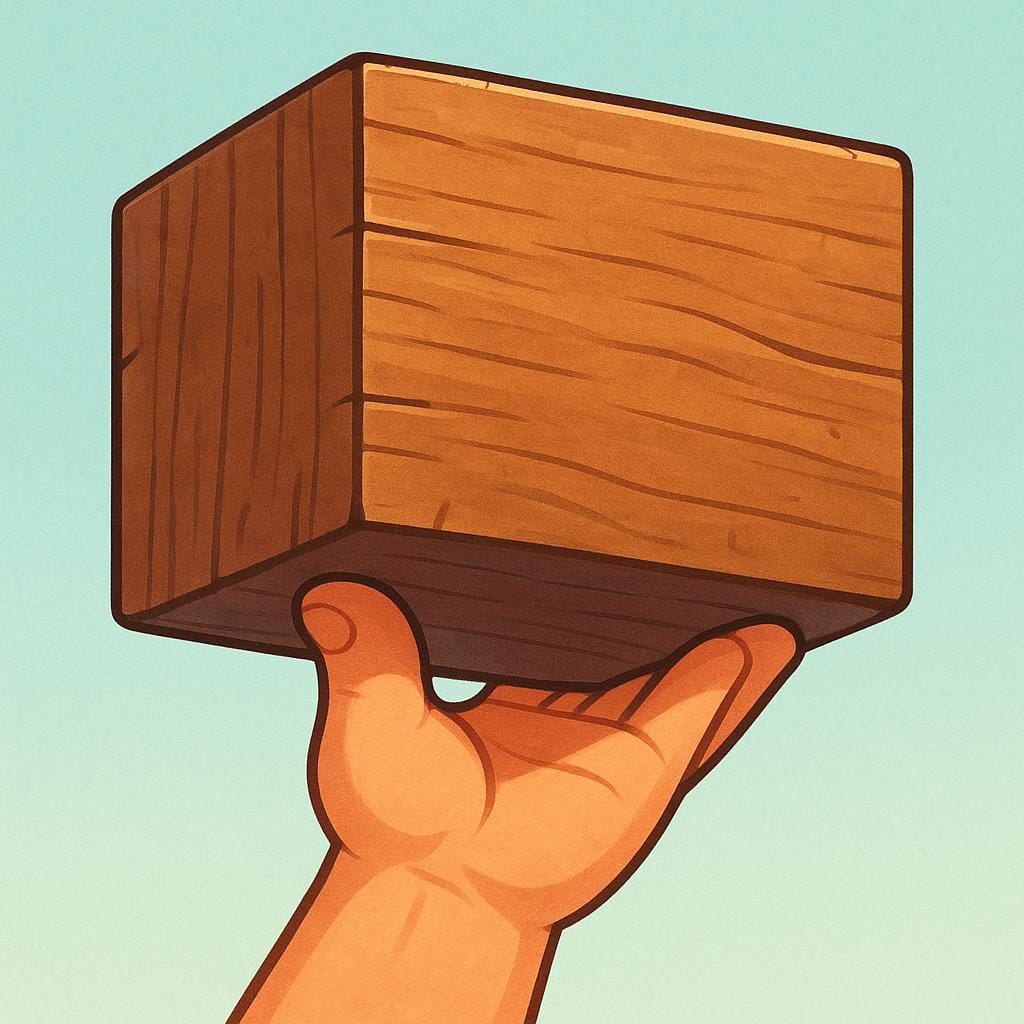
The most common Spanish word for “to lean” is “apoyar” — use 'apoyar' when you are resting an object against something for support or balance. This is a very common, general-purpose verb for leaning.
apoyar
ah-poh-YARa.poˈʝaɾ
Examples
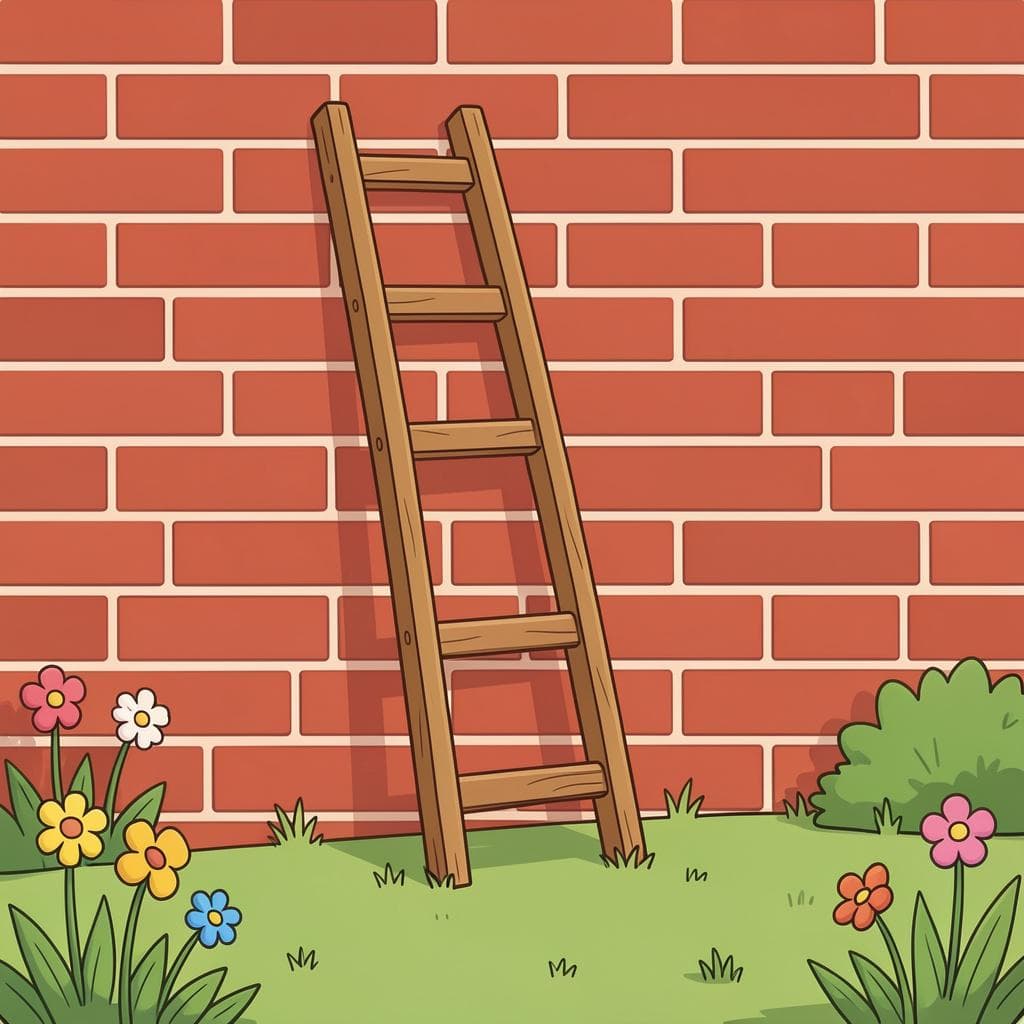
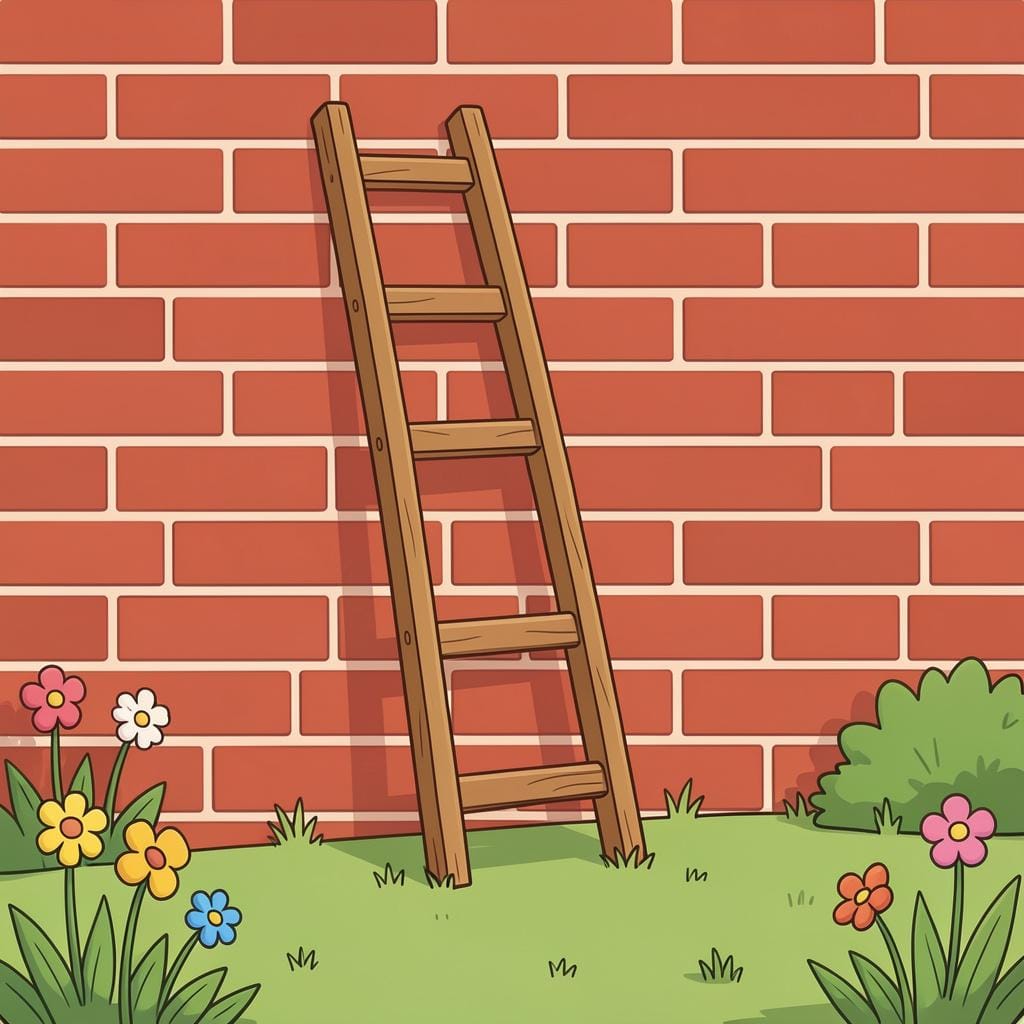
Ella apoyó la escalera contra la pared.
She leaned the ladder against the wall.
Necesito algo para apoyar este libro pesado.
I need something to support this heavy book.
Direct Use
When using 'apoyar' to mean physical support, it acts directly on the object being held up (e.g., 'apoyar la mano' - to rest the hand).
apoya
ah-POY-ahaˈpoʝa
Examples
Él apoya la escalera en la pared.
He leans the ladder against the wall.
Apoya tu cabeza en mi hombro.
Rest your head on my shoulder.
Physical Leaning
When using this word for leaning, you often use the word 'en' (on/in) or 'contra' (against) to show where the object is placed.
inclinar
een-klee-nahriŋkliˈnaɾ
Examples
Él inclinó la cabeza para saludar.
He tilted his head to say hello.
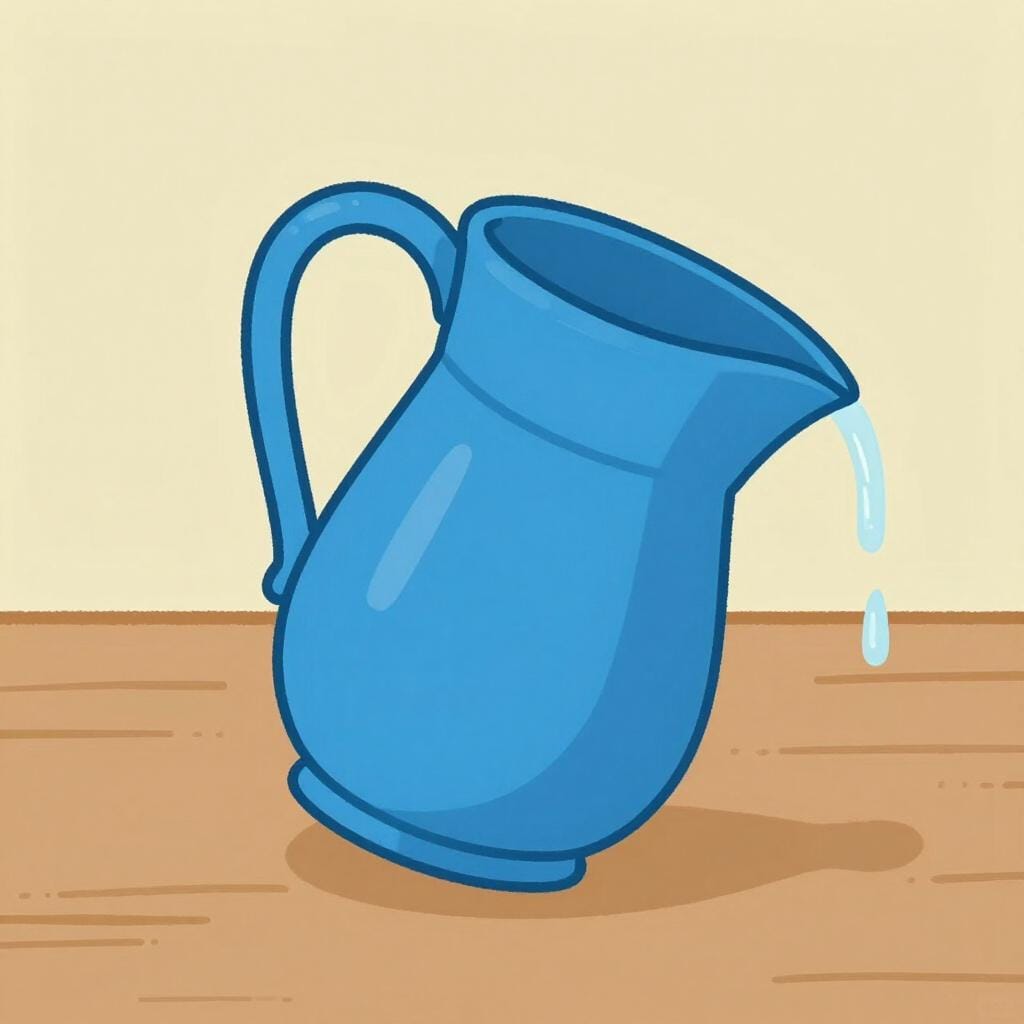
No inclines mucho la botella o se caerá el vino.
Don't tilt the bottle too much or the wine will fall out.
Ella se inclinó para recoger sus llaves del suelo.
She leaned over to pick up her keys from the floor.
Using 'Se' for Self-Movement
If you are the one leaning or bending over, you must add 'se' to the verb (inclinarse). If you are tilting an object, use it without the 'se'.
A Regular Pattern
This verb follows the standard pattern for verbs ending in -ar, making it easy to conjugate in all tenses.
Leaning without 'Se'
Mistake: “Yo inclino para leer.”
Correction: Me inclino para leer. (You need the reflexive 'me' because you are moving yourself.)
recostar
rre-kohs-TARrekosˈtaɾ
Examples
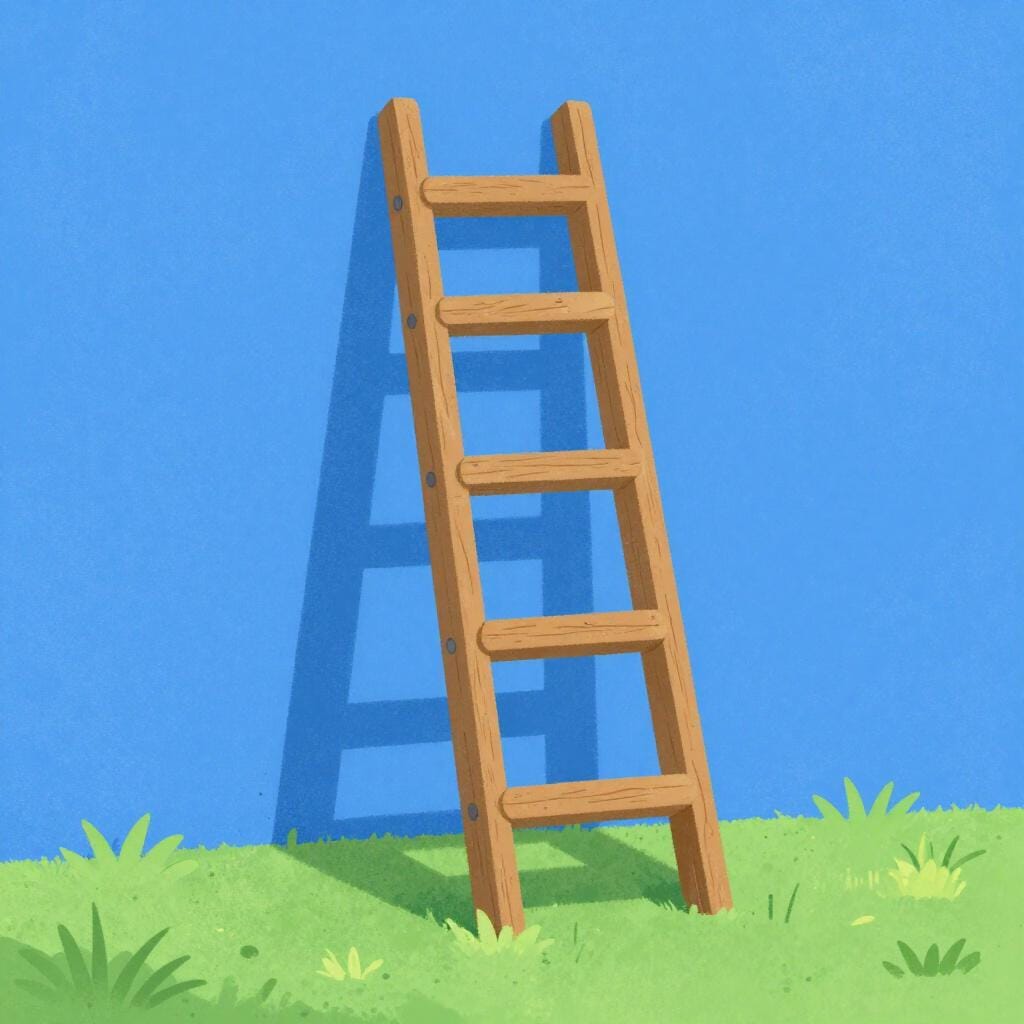
Recosté la bicicleta contra el árbol.
I leaned the bicycle against the tree.
Ella recuesta su cabeza en mi hombro cuando está cansada.
She leans her head on my shoulder when she is tired.
No recuestes los cuadros contra la pared húmeda.
Don't lean the paintings against the damp wall.
The Vowel Switch
The 'o' in recostar changes to 'ue' when you stress it, such as in 'yo recuesto'. This happens in the present tense but not in the 'nosotros' or 'vosotros' forms.
Action vs. Self-Action
Use 'recostar' when you are leaning an object (like a ladder). If you are leaning yourself back, you must add 'me', 'te', or 'se' (recostarse).
Forgetting the Stem Change
Mistake: “Yo recosto la escalera.”
Correction: Yo recuesto la escalera. Remember, the 'o' needs to become 'ue' in the present tense for 'yo', 'tú', and 'él'.
Apoyar vs. Inclinar
Related Translations
Learn Spanish with Inklingo
Interactive stories, personalized learning, and more.